Beyond the Beach: Unique and Ethical Sea Adventu...
Are you yearning for a sea adventure that goes beyond the typical beach vacation? Do you want to explore the world's oceans while minimizing your impact and supporting conservation efforts? Ethical sea adventures are becoming increasingly popular as travelers seek meaningful and responsible experiences. This blog post explores three unique and ethically sound sea adventures, providing you with actionable information to book your next unforgettable journey. We'll cover everything from citizen science in Antarctica to responsible manta ray encounters in Hawaii, and ethical shark cage diving in South Africa.
Antarctica with a Purpose: Citizen Science on a Lindblad Expeditions Cruise
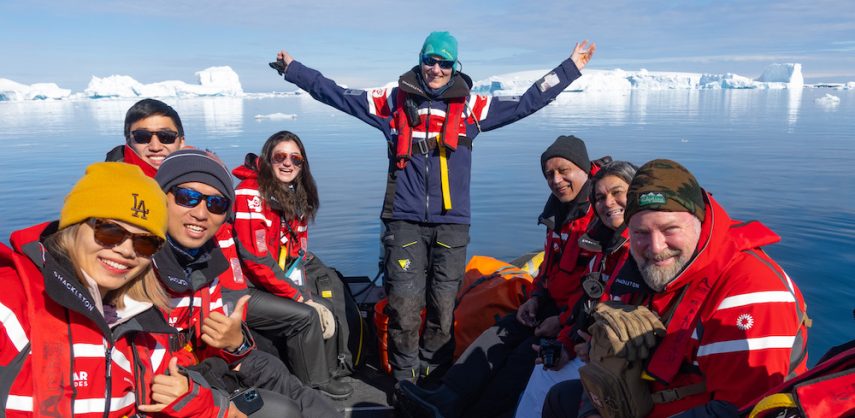
Lindblad Expeditions, in partnership with National Geographic, offers incredible Antarctica cruises that combine adventure with a commitment to responsible travel. These expeditions are designed to minimize environmental impact and maximize opportunities for learning and contributing to scientific research. What sets these cruises apart is the unique opportunity to participate in citizen science, assisting researchers in gathering valuable data about this remote and fragile ecosystem.
Contributing to Antarctic Research
As a citizen scientist on a Lindblad Expeditions cruise, you'll have the chance to participate in various research projects. Some common opportunities include:
- Penguin Population Counts: Help track penguin populations by observing and counting different species. This data is crucial for understanding penguin breeding success and the overall health of the Antarctic ecosystem.
- Seabird Observations: Record sightings of various seabird species, contributing to data on their distribution and abundance.
- Ice and Weather Data Collection: Assist in collecting data on ice conditions, weather patterns, and ocean temperatures, which are vital for monitoring climate change in the region.
- Plankton Sampling: Learn how to collect and analyze plankton samples, understanding their role in the Antarctic food web.
Lindblad Expeditions emphasizes sustainable ocean travel and employs strict protocols to minimize their environmental footprint. They utilize fuel-efficient ships, adhere to strict waste management practices, and educate passengers about responsible tourism. They actively strive to lead the way in responsible marine tourism.
The best time to visit Antarctica with Lindblad Expeditions is during the Antarctic summer, from November to March. During these months, the weather is milder, and you'll have the best chance to see wildlife, including penguins, seals, and whales.
Ready to embark on an Antarctica citizen science cruise? Explore Lindblad Expedition's Antarctica offerings and contribute to vital research while experiencing the beauty of the White Continent. Lindblad Expeditions Antarctica
Kona's Gentle Giants: Freediving with Manta Rays Responsibly
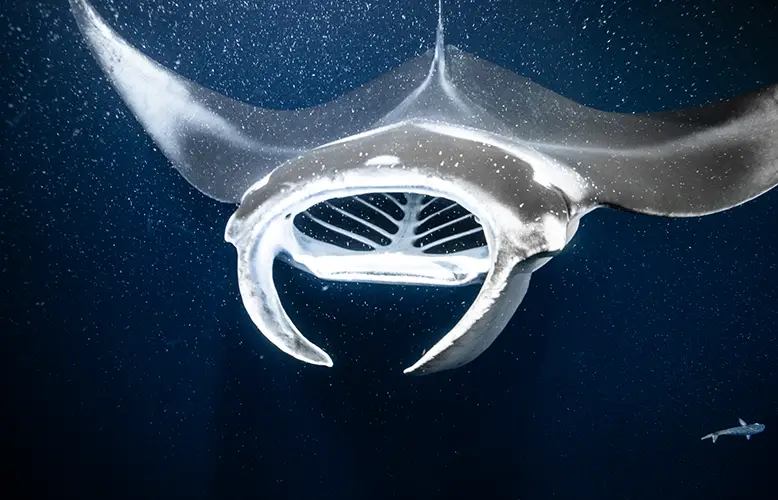
Imagine gliding silently through the water, surrounded by the graceful movements of manta rays. In Kona, Hawaii, this dream can become a reality, but it's crucial to approach this experience with respect and responsibility. Responsible marine tourism ensures these magnificent creatures are protected for future generations.
Guidelines for Responsible Freediving with Manta Rays
To ensure a safe and respectful interaction with manta rays, follow these guidelines:
- Maintain a Safe Distance: Stay at least 10 feet away from the manta rays to avoid disturbing them.
- Avoid Touching the Animals: Never touch or attempt to ride a manta ray. This can damage their protective coating and disrupt their natural behavior.
- Minimize Disturbance: Move slowly and quietly in the water. Avoid using bright lights or making sudden movements that could startle the rays.
- Listen to Your Guide: Experienced guides are knowledgeable about manta ray behavior and can provide valuable insights on how to interact responsibly.
Manta Pacific Research Foundation: Protecting Kona's Manta Rays
The Manta Pacific Research Foundation (mantapacific.org) is dedicated to studying and protecting manta rays in Kona. Their research provides valuable insights into manta ray behavior, ecology, and conservation needs. They also offer educational programs to raise awareness about these incredible creatures and the importance of marine conservation travel. Consider supporting their work by donating or participating in their research efforts. Their research and educational programs work to provide knowledge about the importance of responsible manta ray snorkeling Kona Hawaii.
The best time of year to see manta rays in Kona is year-round, but the calmer summer months generally offer better visibility and more favorable conditions for freediving and snorkeling.
We recommend booking your freediving tour with Kona Manta Adventures, a tour operator that prioritizes responsible interaction and actively supports the Manta Pacific Research Foundation. They adhere to strict guidelines to minimize disturbance to the manta rays and contribute to their ongoing research. They provide information to the traveler on how to book ethical ocean tours, while helping support marine wildlife conservation organizations.
Gansbaai's Great Whites: Ethical Cage Diving and Conservation
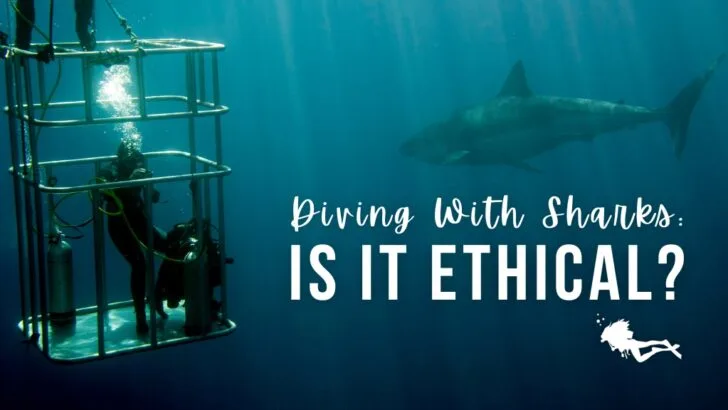
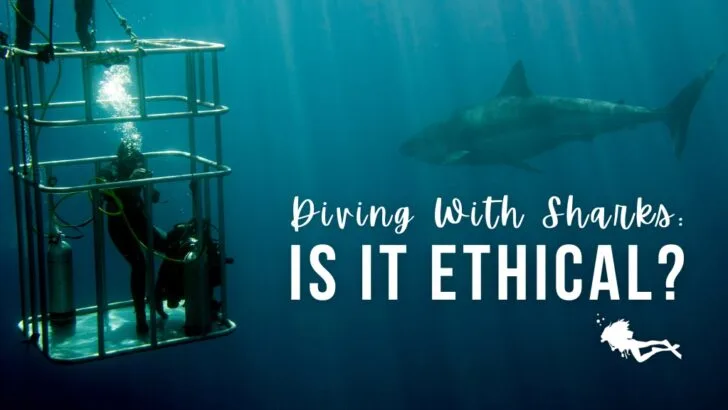
Cage diving with great white sharks is a controversial activity, particularly due to concerns about chumming, which can alter shark behavior. However, it's possible to engage in this thrilling experience ethically by choosing tour operators who prioritize sustainable ocean travel and contribute to conservation efforts.
Choosing Ethical Cage Diving Operators
When selecting a cage diving operator in Gansbaai, South Africa, look for companies that:
- Limit Chumming: Reduce the amount of chum used to attract sharks, minimizing the impact on their natural feeding behavior.
- Focus on Research: Partner with research organizations to collect data on shark populations, behavior, and movement patterns.
- Contribute to Conservation: Support conservation initiatives aimed at protecting great white sharks and their habitat.
- Minimize Environmental Impact: Implement sustainable practices to reduce their overall environmental footprint.
Dyer Island Conservation Trust (dict.org.za) is a leading organization dedicated to researching and protecting great white shark populations in South Africa. They conduct research on shark behavior, track their movements, and work to reduce human-shark conflict. Consider supporting their work to help protect these apex predators and promote responsible tourism Gansbaai great white shark conservation.
The best time of year for great white shark cage diving in Gansbaai is generally from June to September, when shark activity is highest.
To experience ethical great white shark cage diving Gansbaai no chumming, we recommend booking with Marine Dynamics Shark Tours. They have a strong commitment to ethical practices, work closely with the Dyer Island Conservation Trust, and actively minimize their environmental impact. They actively minimize their use of chum, focus on research, and are committed to shark conservation.
Learn more about ethical cage diving practices and support the Dyer Island Conservation Trust: Dyer Island Conservation Trust. By supporting them, you would be supporting ethical cage diving South Africa Dyer Island Conservation.
Your Role in Ocean Conservation
Responsible travel and supporting conservation efforts are crucial when participating in any sea adventure. By making informed choices about tour operators and organizations, you can contribute to the protection of our oceans and the incredible creatures that inhabit them. Remember to research and choose operators that prioritize ethical and sustainable practices, and consider supporting organizations like the Manta Pacific Research Foundation and the Dyer Island Conservation Trust. Together, we can ensure that future generations can enjoy the wonders of the sea. Support marine biology and conservation and engage in ecotourism to better the world around you. By booking ethical sea adventures you can make a difference!