Beyond the Beach: Immersive and Ethical Sea Adve...
Are you an environmentally conscious and adventurous traveler seeking unforgettable experiences that leave a positive impact? Forget crowded beaches and mass tourism – it's time to dive deeper into the world's oceans and discover immersive sea adventures that prioritize sustainability and respect for marine life. At Vistalocation.com, we believe travel should be transformative, not destructive. This post explores unique and responsible ways to connect with the ocean, from exploring Raja Ampat's unparalleled biodiversity to respectfully freediving with orcas in Norway and contributing to hammerhead shark research in the Bahamas. Get ready to embark on a journey beyond the beach, where adventure meets ethics, and every dive, snorkel, or cruise contributes to a healthier planet. Join us as we look at "Responsible Sea Adventure Travel" and how you can explore our oceans sustainably.
Raja Ampat's Underwater Eden: Ethical Raja Ampat Cruises
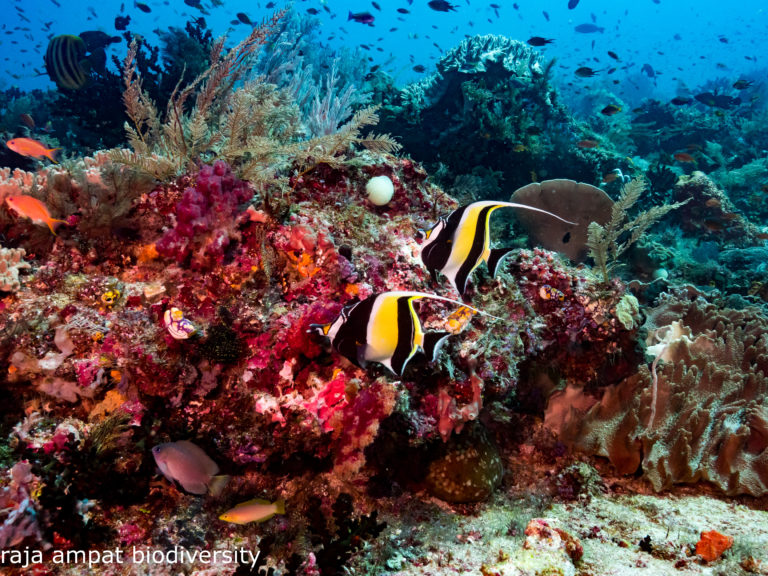
Raja Ampat, an archipelago in Indonesia's West Papua province, is a true underwater paradise. Situated within the Coral Triangle, the global epicenter of marine biodiversity, this region boasts an astonishing array of life. Imagine swimming amidst over 1,500 species of fish, vibrant coral reefs, and a kaleidoscope of marine invertebrates. Raja Ampat offers an unparalleled diving and snorkeling experience. But this incredible ecosystem is also fragile, making responsible tourism crucial. This is why sustainable Raja Ampat tourism should be at the forefront of your planning.
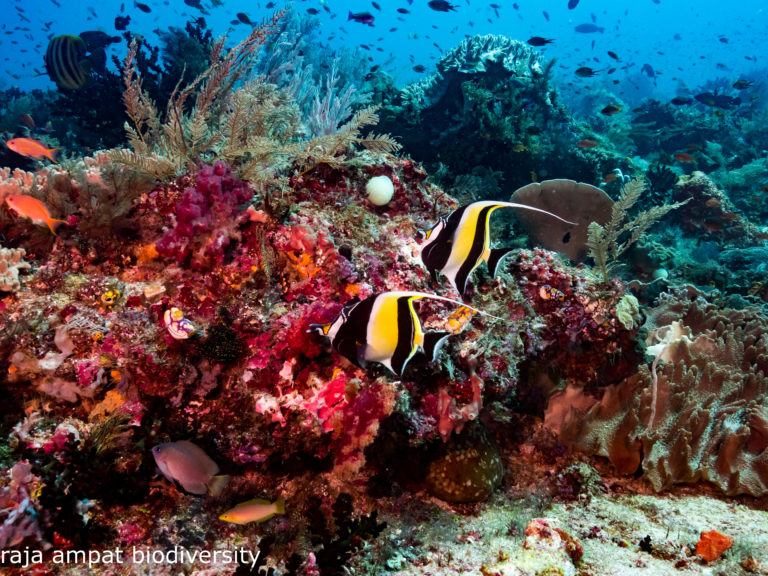
A diver marvels at the unparalleled biodiversity of Raja Ampat's coral reefs, emphasizing the need for ethical and sustainable tourism practices to protect this underwater paradise.
Small-Ship Expeditions and Community Partnerships in Raja Ampat
The best way to experience Raja Ampat ethically is through small-ship expedition cruises. These cruises minimize environmental impact compared to larger vessels and often prioritize partnerships with local Papuan communities. Look for tour operators that actively involve local guides, support community-run eco-lodges, and contribute to conservation initiatives.
These partnerships are invaluable. By engaging with local communities, you're not only gaining authentic cultural insights but also directly supporting their livelihoods and incentivizing them to protect their natural resources. "Raja Ampat cruise small ship supporting local community" packages are a great way to ensure your tourism dollars are used responsibly.
Ethical Interactions: Guided Snorkeling and Reef Conservation
Choose tour operators that emphasize responsible snorkeling and diving practices. This includes:
- Avoiding touching or disturbing marine life: Even seemingly harmless contact can damage delicate coral or stress marine animals.
- Using reef-safe sunscreen: Conventional sunscreens contain chemicals that can harm coral reefs. Look for mineral-based sunscreens that are free of oxybenzone and octinoxate.
- Proper buoyancy control: This prevents accidental damage to coral.
- Supporting reef conservation efforts: Some tour operators offer opportunities to participate in reef cleanup dives or contribute to coral restoration projects.
Consider exploring "Raja Ampat diving operators ethical practices" when researching your trip. Some operators also offer educational briefings on marine ecology and conservation, enhancing your understanding and appreciation of the environment. Scuba diving, when conducted responsibly, can contribute to reef monitoring efforts.
Reputable Tour Operators for Sustainable Raja Ampat Tourism
Here are a few reputable tour operators specializing in sustainable travel to Raja Ampat:
- SeaTrek Sailing Adventures: Known for their commitment to responsible tourism and community engagement.
- Misool Eco Resort: While primarily a resort, they also offer dive trips and are heavily involved in marine conservation in the area. Misool Eco Resort
- Meridian Adventure Sail: Meridian Adventure Sail provide unique, sustainable and community-based tourism experiences in Raja Ampat. Meridian Adventure Sail
When choosing a tour, be sure to inquire about their sustainability policies, community involvement, and environmental practices. "Compare Raja Ampat eco-friendly cruises" and select one that aligns with your values.
How to Minimize Environmental Impact When Diving Raja Ampat
Question: How can I minimize environmental impact Raja Ampat diving?
Answer: By choosing responsible operators, using reef-safe sunscreen, avoiding touching coral, and properly managing your buoyancy.
Freediving with Orcas: A Respectful Encounter in Norway
Imagine the thrill of gliding silently alongside wild orcas in the pristine fjords of Norway. During the herring season (October-January), these majestic creatures congregate in the waters to feed, offering a unique opportunity for observation. However, it's crucial to approach this experience with utmost respect and adhere to strict ethical guidelines.
An orca swims gracefully through the clear waters of a Norwegian fjord, emphasizing the need for respectful and ethical freediving practices to minimize disturbance to these magnificent creatures.
The Importance of Respectful Distance and Strict Codes of Conduct
Unlike scuba diving, freediving is preferred for orca encounters because it minimizes disturbance. The absence of bubbles and noise allows for a more natural and respectful interaction. However, even freediving requires adherence to a strict code of conduct to ensure the orcas' well-being.
Some key guidelines for ethical freediving orca Norway include:
- Maintaining a safe distance: A minimum distance of 20 meters is generally recommended.
- Avoiding sudden movements or loud noises: These can startle or stress the orcas.
- Never chasing or harassing the animals: Observe their natural behavior without interfering.
- Limiting time in the water: Prolonged presence can disrupt their feeding or resting patterns.
- Following the instructions of experienced guides: They are trained to interpret orca behavior and ensure your safety and the animals' well-being.
Information from Marine Biologists and Ethical Tourism Guidelines
It's essential to choose tour operators that partner with marine research organizations and prioritize ethical interaction policies. These operators often work with marine biologists to monitor orca behavior and ensure that tours are conducted responsibly. Make sure you read "Norway orca interaction guidelines" prior to booking your trip.
"Ethical freediving orca Norway" is built on the principle of observation over interference. The goal is to witness these incredible animals in their natural habitat without causing harm or disruption. This aligns with the recommendations of marine biologists who emphasize the importance of minimizing human impact on orca populations.
Question: What are the ethical guidelines for freediving with orcas?
Answer: Maintaining a safe distance, avoiding sudden movements, never chasing or harassing the animals, and limiting time in the water.
Responsible Tour Operators in Norway
Here are a few tour operators known for their commitment to ethical orca encounters:
- Orca Norway: They work closely with marine biologists and adhere to strict ethical guidelines. Orca Norway
- Norwegian Orca Survey: This research organization also offers eco-tours that support their research efforts. Norwegian Orca Survey
Before booking, ask about their sustainability practices, interaction protocols, and partnerships with research organizations. Look for operators that contribute to orca conservation and education. "Norway orca freediving tour packages review" and select an operator that prioritizes the wellbeing of the orcas.
"Norway Orca Freediving Regulations and Permits"
Be aware that there may be specific regulations and permit requirements for freediving with orcas in Norway. Check with the tour operator or local authorities for the most up-to-date information.
Hammerhead Sharks of Bimini: Snorkeling for Science
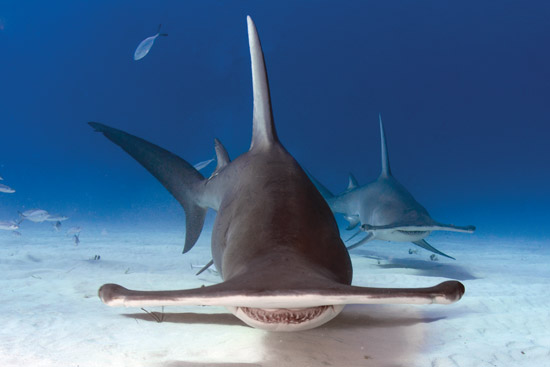
Bimini, a small island in the Bahamas, offers a unique opportunity to snorkel with hammerhead sharks while contributing to vital conservation efforts. Unlike some shark encounters that involve chumming (attracting sharks with bait), the focus in Bimini is on observing these fascinating creatures in their natural environment while supporting scientific research. "Bimini Hammerhead Shark Snorkeling Conservation" helps to ensure the survival of these apex predators.
The Bimini Biological Field Station Foundation (Sharklab)
The key to this responsible adventure lies with the Bimini Biological Field Station Foundation (Sharklab). This renowned research facility has been studying hammerhead shark populations in Bimini for decades. Their work is crucial for understanding the behavior, ecology, and conservation status of these vulnerable sharks. "Bimini Shark Conservation Volunteer" opportunities are often available.
The Sharklab conducts various research projects, including:
- Population monitoring: Tracking the number and distribution of hammerhead sharks in the area.
- Tagging and tracking: Studying their movements and migration patterns.
- Behavioral studies: Understanding their feeding habits, social interactions, and habitat use.
- Genetic analysis: Assessing the genetic diversity of the population.
Participating in Citizen Science and Supporting the Sharklab
One of the most rewarding aspects of snorkeling with hammerheads in Bimini is the opportunity to participate in citizen science initiatives. Some tour operators collaborate with the Sharklab to involve travelers in data collection, such as:
- Identifying individual sharks: Based on unique markings and scars.
- Recording shark behavior: Observing their movements, feeding patterns, and interactions with other species.
- Collecting environmental data: Measuring water temperature, salinity, and other parameters.
Even if you don't participate directly in research, you can still support the Sharklab's work through donations or volunteer opportunities. "Bimini Sharklab donations support hammerhead conservation." Your contribution can help fund vital research, conservation efforts, and educational programs.
Question: How does snorkeling with hammerheads in Bimini help shark conservation?
Answer: By supporting the Bimini Biological Field Station (Sharklab) and participating in citizen science initiatives that contribute to research and conservation efforts.
Responsible Snorkeling Tours and Practices
Choose snorkeling tours that collaborate with the Sharklab and prioritize responsible shark viewing practices. This includes:
- Minimizing disturbance: Avoiding sudden movements or loud noises that could startle the sharks.
- Avoiding chumming: Observing sharks in their natural environment without artificial attractants.
- Maintaining a safe distance: Respecting their space and avoiding any attempt to touch or interact with them.
- Following the instructions of experienced guides: They are trained to interpret shark behavior and ensure your safety and the animals' well-being.
Booking Your Snorkeling Adventure and Supporting the Sharklab
When booking your snorkeling tour, inquire about their collaboration with the Sharklab and their commitment to responsible practices. Some operators donate a portion of their proceeds to the Sharklab, further supporting their research efforts.
If you are interested in a volunteering position you can fill out a "Bimini Biological Field Station volunteer application".
Here are a few tour operators that work with the Sharklab:
- Neal Watson's Bimini Scuba Center: Offers snorkeling trips and supports the Sharklab's research. Neal Watson's Bimini Scuba Center
Conclusion
The ocean holds a wealth of wonders waiting to be explored, but it's our responsibility to do so in a way that protects its delicate ecosystems and supports local communities. By choosing ethical and responsible sea adventures, you can create unforgettable memories while making a positive impact on the planet. Whether it's cruising through Raja Ampat's underwater paradise, respectfully freediving with orcas in Norway, or contributing to hammerhead shark research in Bimini, your journey can be a force for good.
Ready to embark on your own ethical sea adventure? Visit Vistalocation.com to explore a curated selection of responsible tours and experiences. Let’s protect our oceans, one adventure at a time! Browse ethical cruise options today.