Beyond the Bamboo: Finding Authentic Kyoto
Kyoto
Kyoto. The name conjures images of serene temples, vibrant geishas, and meticulously raked gardens. But arriving in this ancient capital, I couldn't shake the feeling that it had become overly "Instagram-ified"—a city more concerned with capturing the perfect shot than offering genuine cultural experiences. The throngs of tourists at Fushimi Inari Shrine, all vying for the same photo of the vermillion torii gates, the proliferation of matcha cafes near Arashiyama Bamboo Grove, catering almost exclusively to selfie-takers, left me skeptical. Could I find authentic cultural experiences in Kyoto beyond the superficial? Could I avoid the Kyoto tourist traps?
Lost in Translation (and Etiquette)
My initial days were a struggle. Armed with only basic Japanese, I found it difficult to connect with locals beyond simple transactions. The language barrier felt like a wall, preventing me from understanding the nuances of daily life. I stumbled through cultural etiquette, committing embarrassing faux pas. For example, I unknowingly walked into a restaurant and sat down without waiting to be seated, eliciting surprised glances from the staff. I fumbled with chopsticks, nearly sending a bowl of rice flying. I felt like an outsider, merely observing rather than participating in Kyoto's vibrant culture.
Seeking Deeper Connections: Kintsugi, Shojin Ryori, and Sushi
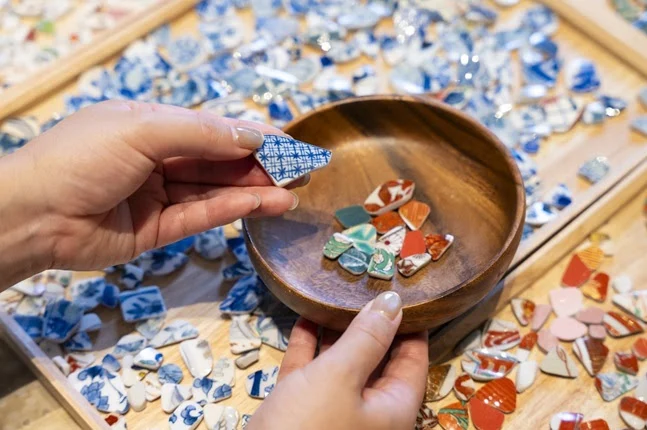
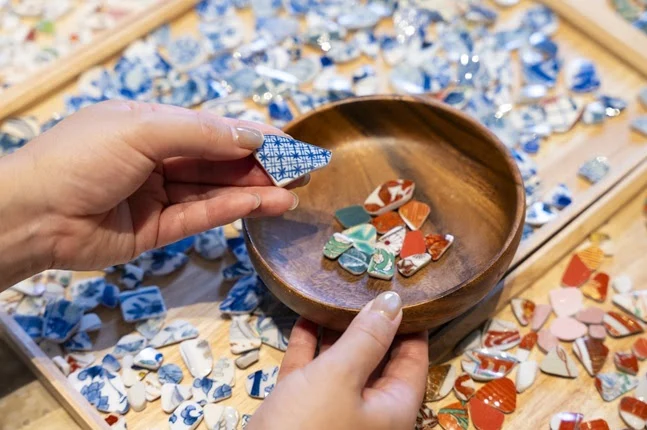
Determined to find experiences that transcended the surface, I actively sought out opportunities for deeper cultural immersion. I stumbled upon Kintsugi Studio Kaori, tucked away on a quiet side street near Nijo Castle. Kaori-san, the artisan, patiently guided me through the delicate process of repairing a broken tea bowl with gold lacquer. The patience required, the meticulous application of each layer, and the quiet satisfaction of transforming something broken into something beautiful resonated deeply. Even with my limited Japanese, I was able to communicate with Kaori-san about the philosophy of kintsugi: embracing imperfection and finding beauty in flaws.
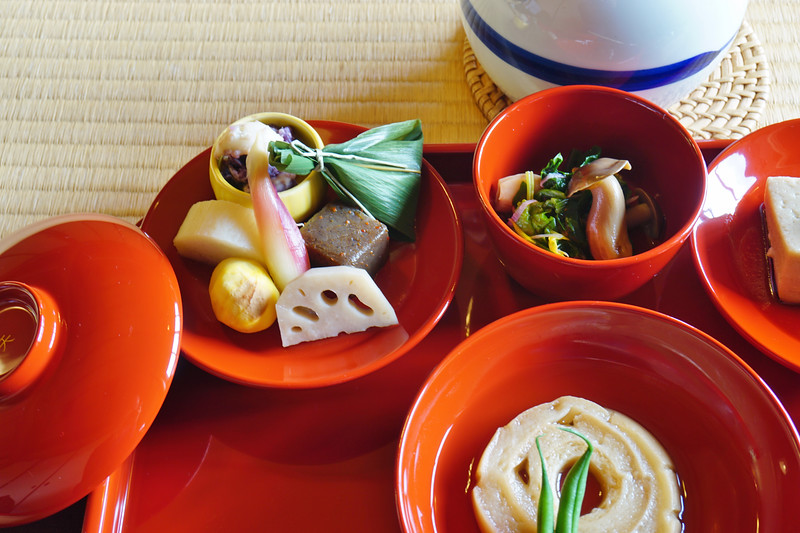
Next, I participated in a shojin ryori cooking class at the serene Shunko-in Temple. Mr. Tanaka, the chef, introduced us to the principles of traditional Buddhist vegetarian cuisine: simplicity, mindfulness, and respect for ingredients. We prepared several dishes, including sesame tofu, vegetable tempura, and miso soup. I learned how to properly prepare dashi (broth), the essential base of many Japanese dishes. Every step was a meditation, a reminder to be present in the moment.
Sushi Making Experience
My journey went on to a workshop for making sushi, where I was assigned the task of crafting Nigiri. I soon realized the precision and care needed to perfect each piece.
Wagashi: Japanese Sweets
Finally, I got an opportunity to learn the artistic complexity behind nerikiri wagashi. The beauty and perfection expected for each desert was more complex than I expected.
The Zen Garden Revelation
My "aha" moment arrived during a visit to Kennin-ji Temple, Kyoto's oldest Zen temple. I found myself in the serene courtyard garden, a masterpiece of minimalist design. The carefully raked gravel, the moss-covered stones, the subtle play of light and shadow – it was all so deliberately arranged, so thoughtfully composed. As I sat there, meditating in the quiet space, I realized that Kyoto's beauty wasn't just about Instagram-worthy backdrops. It was about the quiet contemplation, the attention to detail, the deep respect for tradition that permeates every aspect of life. The experience was about the cultural immersion. It became clear that Kyoto offered much more than just the matcha parfaits.
Is Kyoto Worth Visiting If I Don't Like Crowds?
Yes, Kyoto is worth visiting even if you dislike crowds. While popular attractions can be overwhelming, many quieter temples, gardens, and neighborhoods offer peaceful escapes. Consider visiting during the off-season or exploring areas outside the main tourist hubs.
What Are Some Quiet Temples I Can Visit In Kyoto?
Besides Kennin-ji, consider visiting:
- Ginkaku-ji (Silver Pavilion): Offers a serene atmosphere compared to the Golden Pavilion.
- Ryoan-ji Temple: Famous for its enigmatic rock garden, inviting quiet contemplation.
- Daitoku-ji Temple Complex: A collection of sub-temples, each with its unique garden and atmosphere.
- Shisen-do Temple: A quiet, historic temple set amongst beautiful gardens.
Kyoto's Hidden Gems
These lesser-known places in Kyoto give you a different perspective on the city:
- Philosopher's Path: A scenic walk along a canal, perfect for a peaceful stroll.
- Nishiki Market: A great place to sample local foods and soak in the atmosphere.
- Arashiyama Bamboo Grove (early morning or late evening): Visit when the crowds are smaller.
- Pontocho Alley: A narrow alleyway along the Kamogawa River, lined with restaurants and bars.
Conclusion: Seek, Be Patient, Embrace
Kyoto undoubtedly has its share of tourist traps, but authentic cultural experiences are still within reach if you're willing to look beyond the surface. Be patient, be respectful, and embrace the unexpected. Learn a few basic Japanese phrases to connect with locals more meaningfully. Research local workshops and cooking classes in advance, as they often fill up quickly. Venture beyond the popular attractions and explore the quieter corners of the city. Sustainable tourism in Kyoto allows you to embrace the deeper cultural connections that the city has to offer.
How can you experience authentic Kyoto culture?
- Learn Basic Japanese: Even a few phrases will enhance your interactions.
- Take a Cooking Class: Learn to prepare shojin ryori or other local dishes.
- Attend a Workshop: Participate in a kintsugi or calligraphy lesson.
- Explore Quiet Temples: Visit less crowded temples for peaceful contemplation.
- Venture Off the Beaten Path: Discover hidden neighborhoods and local gems.
I left Kyoto with a newfound appreciation for its beauty and depth. It's a city that rewards patience and curiosity, a place where authentic cultural experiences can still be found if you’re willing to seek them out.