Beyond Sushi: A Sweet Journey Through Tokyo's Wa...
Imagine a delicate confection, its aroma hinting at sweet beans and subtle floral notes. Its form, a tiny work of art, almost too beautiful to eat. This is wagashi, traditional Japanese sweets, and Tokyo is a Tokyo wagashi experience unlike any other. Forget the ubiquitous sushi for a moment, and prepare to embark on a delectable adventure through Tokyo’s wagashi wonderland. This blog post will explore the history, varieties, and best places to find these exquisite treats, offering you an authentic wagashi Tokyo experience that will tantalize your taste buds and enrich your understanding of Japanese culture.
What is Wagashi?
Wagashi (和菓子) are traditional Japanese confections, deeply rooted in the history of Japanese tea ceremonies and noble courts. Unlike Western sweets, traditional Japanese sweets Tokyo emphasize subtle flavors, seasonal ingredients, and exquisite presentation. Originally enjoyed by the aristocracy, wagashi gradually became a part of everyday life, evolving into the diverse and beautiful treats we see today.
The art of wagashi relies heavily on seasonal ingredients, reflecting the natural beauty of Japan. Common ingredients include anko (sweetened red bean paste), mochiko (glutinous rice flour), agar-agar (a plant-based gelatin), and sugar. The artistry extends beyond taste; each wagashi is carefully crafted to be a visual delight, often mimicking flowers, leaves, or other natural elements relevant to the current season. This focus on aesthetics makes wagashi a true feast for the senses.
A Sweet Selection: Must-Try Wagashi
Tokyo boasts countless shops offering an array of wagashi. Here are some must-try varieties and where to find them:
Mochi
Mochi is a soft and chewy rice cake made from glutinous rice flour. It can be enjoyed plain or filled with sweet ingredients like anko. Its simple yet satisfying flavor and unique texture make it a beloved wagashi.
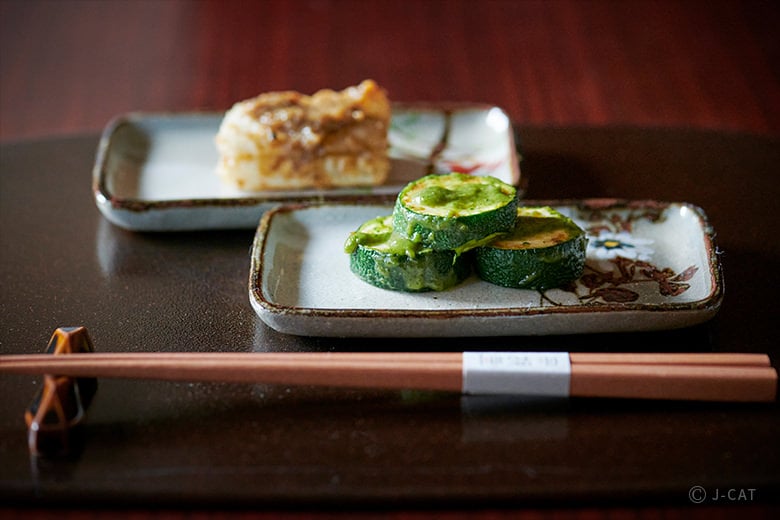
- Shop: Iseya Daifuku (Asakusa) - Known for their large and incredibly fresh daifuku, a type of mochi. Asakusa is a great place for a Wagashi cafe tokyo experience.
Dorayaki
Dorayaki consists of two small, pancake-like patties sandwiching a generous filling of anko. The pancakes are often lightly sweet and slightly spongy, creating a delightful contrast with the smooth red bean paste.
- Shop: Usagiya (Ueno) - Famous for their exceptionally fluffy and flavorful dorayaki. This is the best wagashi tokyo for dorayaki lovers.
Daifuku
Daifuku is a type of mochi stuffed with a sweet filling, most commonly anko. Variations include fillings of fruit, such as strawberries (Ichigo Daifuku) or other seasonal delights. The soft mochi exterior and sweet interior create a harmonious blend of textures and flavors.
- Shop: Takemura (Shinbashi) - A historic shop serving classic daifuku. Takemura is an authentic wagashi Tokyo experience.
Manju
Manju are steamed buns filled with anko. They come in various shapes and sizes, often decorated with intricate designs. The soft, slightly sweet bun complements the rich anko filling perfectly. Ginza is the best place to get high end wagashi tokyo.
- Shop: Ginza Kimuraya (Ginza) - Pioneers of anpan, a type of manju filled with sweet bean paste and often topped with sesame seeds.
Yokan
Yokan is a thick, jellied dessert made of red bean paste, agar-agar, and sugar. It's known for its smooth texture and subtle sweetness. Yokan can be enjoyed on its own or as an accompaniment to tea. For this dessert, consider Wagashi pairing tokyo.
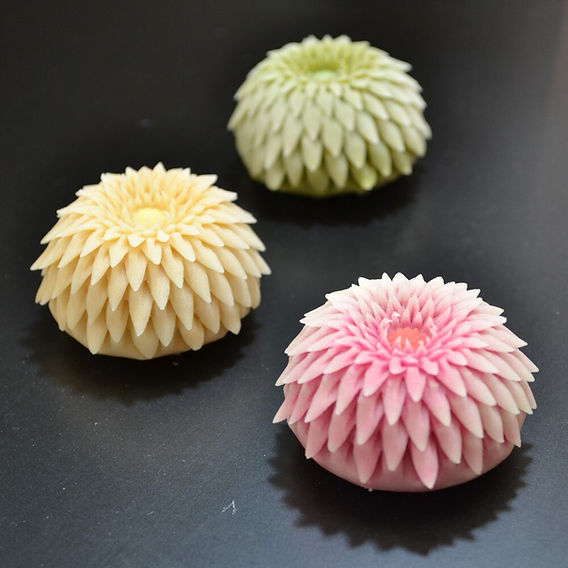
- Shop: Toraya (various locations, including Ginza) - A long-established wagashi maker specializing in elegant yokan. The toraya wagashi Tokyo shops offer a luxurious experience.
Neighborhood Hopping: Wagashi Hotspots in Tokyo
Tokyo's diverse neighborhoods each offer a unique wagashi experience.
Asakusa
Asakusa, with its traditional atmosphere and proximity to Senso-ji Temple, is a treasure trove of wagashi shops. Here, you'll find everything from classic mochi to seasonal specialties, offering a taste of old Tokyo. The wagashi tasting tokyo in Asakusa is very traditional.
Ginza
Ginza is known for its high-end department stores and historic shops, offering a refined wagashi experience. Expect elegant presentations, premium ingredients, and a touch of luxury.
Ueno
Ueno boasts a diverse selection of wagashi, particularly in the bustling Ameya Yokocho market and surrounding areas. This is a great place to find both traditional and more modern interpretations of these sweets. If you're looking to learn wagashi making Tokyo, Ueno offers many options.
The Art of Presentation: Visual Delights
Aesthetics are paramount in wagashi culture. The presentation is just as important as the taste, with each confection carefully crafted to be a work of art. Wagashi often reflects the seasons in both color and form, using natural dyes and shapes to evoke the beauty of nature. A Nerikiri wagashi Tokyo is especially beautiful to behold.
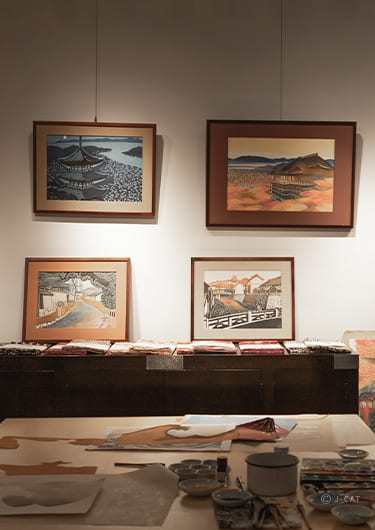
Pay close attention to the intricate details, the delicate colors, and the overall composition. Wagashi is not just food; it's a visual and culinary experience that celebrates the beauty of Japanese craftsmanship.
Conclusion
Wagashi offers a unique and delightful way to experience Japanese culture and culinary artistry. Beyond the familiar flavors of sushi and ramen, these traditional sweets provide a glimpse into the heart of Japan's aesthetic values and seasonal appreciation. They're a key part of the history of wagashi tokyo. Explore Tokyo's vibrant wagashi scene, discover your own sweet favorites, and savor the subtle flavors and exquisite beauty of these remarkable confections. Plan your sweet adventure to Tokyo today!