Beyond Relaxation: Immersive Wildlife Encounters...
Imagine sinking your toes into the sand, not just for relaxation, but for a deeper connection with the natural world. At VistaLocation, we believe travel should be more than just sightseeing; it should be about responsible exploration and supporting the preservation of our planet's incredible biodiversity. Join us as we journey to three unique beaches, each offering extraordinary wildlife encounters and facing distinct conservation challenges. These aren't your typical vacation spots; they're opportunities to witness nature's wonders while contributing to their survival. Prepare to be inspired by the wildlife tourism conservation efforts at Playa Ostional in Costa Rica, Jökulsárlón Black Sand Beach in Iceland, and Koekohe Beach in New Zealand.
Playa Ostional, Costa Rica: Witnessing the Spectacle of Arribadas and Playa Ostional Turtle Conservation
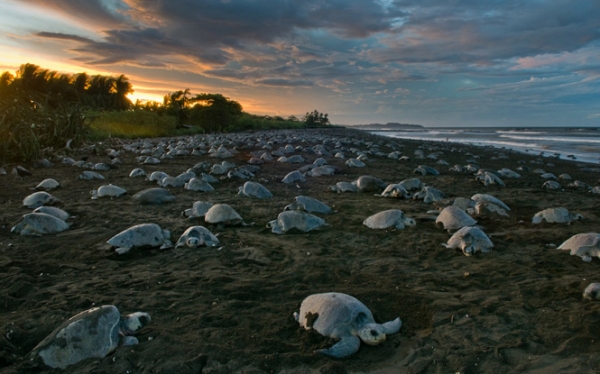
Playa Ostional, nestled on Costa Rica's Pacific coast, is renowned for its arribadas – mass nesting events of Olive Ridley sea turtles. During these incredible occurrences, thousands of turtles emerge from the ocean simultaneously to lay their eggs on the beach. It's a spectacle unlike any other, a testament to the power and resilience of nature. These mass nesting events are crucial for the survival of the species, increasing the chances of hatchlings making it to the ocean.
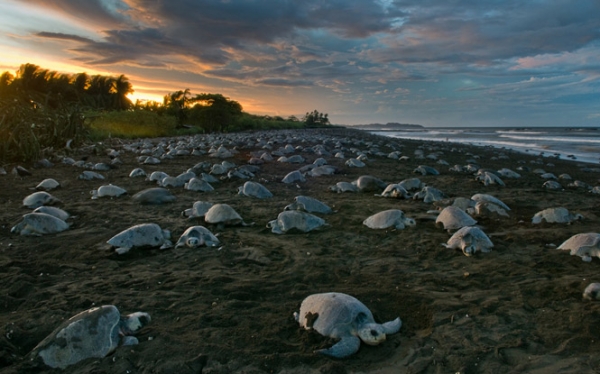
However, the growing popularity of witnessing the arribadas brings significant challenges. Light and noise pollution, along with physical disturbance, can disrupt the nesting process and negatively impact turtle populations.
"The arribadas are a spectacle, but every footstep on the beach, every flash of light, disrupts the delicate nesting process," explains Dr. Elena Rodriguez, a fictional marine biologist working at the Ostional Wildlife Refuge. "We must find a way to share this wonder responsibly."
Responsible Viewing Practices and Activities
To experience the magic of the arribadas without harming the turtles, we recommend:
- Guided Night Tours: Opt for guided night tours with local, certified guides who prioritize minimal disturbance to the turtles. These guides are trained to respect the turtles' nesting process and ensure a safe and educational experience for visitors.
- Red Lights Only: If allowed to use lights, use only red lights as they are less disruptive to the turtles.
- Stay on Designated Paths: Avoid walking directly on the beach where turtles are nesting.
- No Flash Photography: Absolutely no flash photography is allowed.
- Listen to your guide: Always follow the instructions and guidelines provided by your guide.
Sustainable Accommodation: La Tortuga Feliz Eco-Lodge
For a sustainable stay, consider La Tortuga Feliz Eco-Lodge. This eco-friendly accommodation is committed to protecting the turtles through turtle-friendly lighting that minimizes light pollution and regular beach cleanup initiatives. By choosing to stay here, you're directly supporting conservation efforts.
Take Action: Adopt a Sea Turtle
Make a lasting impact by adopting a sea turtle through the PRETOMA organization. Your contribution will help fund vital research and conservation programs aimed at protecting these magnificent creatures. Learn more and adopt a turtle here: PRETOMA website.
Jökulsárlón Black Sand Beach, Iceland: Witnessing Seals Amidst Calving Glaciers and Iceland Responsible Travel Tours
Jökulsárlón Black Sand Beach in Iceland offers a breathtaking landscape where seals bask on ice floes against the backdrop of calving glaciers. This surreal scene is a testament to the raw beauty of the Arctic, but it also serves as a stark reminder of the impact of climate change.

The glaciers that feed Jökulsárlón are rapidly melting due to rising global temperatures, impacting the seal population that depends on the ice for resting and breeding. The melting ice also poses an increased risk of glacial floods, endangering both wildlife and human communities.
"The glacier used to stretch much further," says Gudrun Magnusdottir, a fictional local fisherman. "Now, it's retreating every year. The seals depend on the ice, and we depend on the seals."
Responsible Glacier Hiking and Activities
To explore Jökulsárlón responsibly:
- Guided Glacier Hiking Tours: Choose guided glacier hiking tours with local guides who possess in-depth knowledge of glacier conservation and safety protocols. These guides can educate you about the effects of climate change on the glaciers and the local ecosystem.
- Stay on Marked Trails: Adhere to marked trails and avoid venturing onto the glacier without proper guidance.
- Respect Wildlife: Maintain a safe distance from seals and other wildlife.
- Leave No Trace: Pack out everything you pack in and avoid disturbing the natural environment.
Sustainable Accommodation: Fosshotel Glacier Lagoon
Support sustainable tourism by staying at Fosshotel Glacier Lagoon, which is committed to carbon-neutral initiatives and water conservation programs. By choosing this hotel, you're contributing to a smaller environmental footprint.
Take Action: Offset Your Carbon Footprint
Combat climate change by offsetting your carbon footprint through donations to the Icelandic Forest Service's tree planting program. Your contribution will help restore Iceland's forests and mitigate the effects of climate change. Donate here: Icelandic Forest Service.
Koekohe Beach, New Zealand: Protecting the Moeraki Boulders and Koekohe Beach Moeraki Boulders Conservation
Koekohe Beach, located on New Zealand's South Island, is famous for its Moeraki Boulders – large, spherical rocks scattered along the shoreline. These geological formations, millions of years old, hold significant cultural importance to the Maori people, who consider them to be remnants of a legendary canoe.
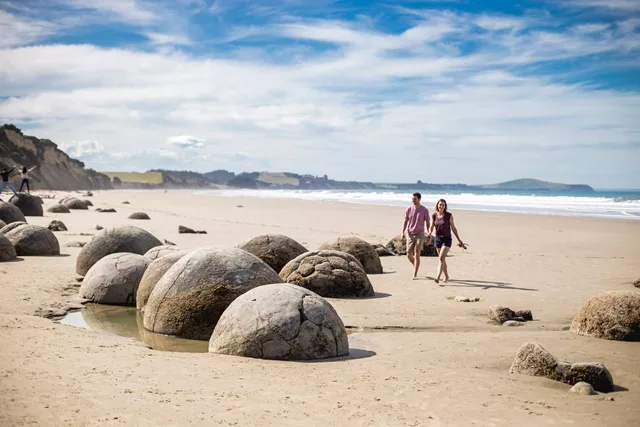
However, coastal erosion and the effects of climate change pose a threat to this historical and geological site. The rising sea levels and increased storm surges are gradually eroding the coastline, putting the Moeraki Boulders at risk.
"These boulders are our ancestors, our history," says Kahu Te Rangi, a fictional Maori elder. "The rising sea threatens to wash them away, to silence their stories."
Responsible Cultural Tourism and Activities
To appreciate the Moeraki Boulders responsibly:
- Guided Tours with Maori Iwi: Participate in guided tours led by local Maori iwi (tribes), which focus on the cultural preservation efforts and geological significance of the boulders. This offers a unique insight into Maori culture and their connection to the land.
- Respect Cultural Sites: Show respect for the cultural significance of the boulders by avoiding climbing on them or defacing them in any way.
- Stay on Designated Paths: Stick to designated paths to minimize erosion and protect the surrounding environment.
- Support Local Businesses: Purchase souvenirs from local Maori artisans to support their cultural preservation efforts.
Sustainable Accommodation: Moeraki Boulders B&B
Support the local community by staying at the Moeraki Boulders B&B, which collaborates with local Maori artisans and utilizes rainwater harvesting. This accommodation is committed to sustainable practices and supporting the local culture.
Take Action: Donate to the Local Maori Iwi’s Cultural Preservation Fund
Contribute to the preservation of Maori culture and the Moeraki Boulders by donating to the local Maori iwi's cultural preservation fund. Your contribution will support their efforts to protect and preserve their cultural heritage for future generations. Donate here: [Link to fictional Maori Iwi's cultural preservation fund].
Conclusion: Embrace Responsible Wildlife Travel
These three beaches – Playa Ostional, Jökulsárlón, and Koekohe Beach – offer unforgettable wildlife encounters and provide valuable lessons about the importance of conservation. By choosing responsible tourism practices and supporting local conservation efforts, we can help protect these precious environments for future generations. Remember, every journey has the potential to make a positive impact. Choose responsible wildlife travel and be a part of the solution.
Ready to plan your next adventure? Visit VistaLocation to discover sustainable travel options and book your responsible wildlife encounter today!