Beyond Mole: A Street Food Pilgrimage to Oaxaca'...
Oaxaca City is a culinary paradise, renowned for its complex moles, rich chocolate, and vibrant mezcal. But to truly experience the heart and soul of Oaxacan cuisine, you must venture beyond the restaurants and immerse yourself in its electrifying street food scene. And there’s no better place to start your journey than at Mercado 20 de Noviembre food, a bustling labyrinth of flavors, aromas, and sounds. This is where authentic Oaxacan cuisine truly lives. Get ready for an unforgettable Oaxaca street food tour that will tantalize your taste buds and leave you craving more. We’re going beyond Mole!
A Sensory Overload in the Best Way: Mercado 20 de Noviembre
Stepping into Mercado 20 de Noviembre is like entering another world. The air crackles with energy as vendors call out their wares, the scent of sizzling meats mingles with the sweet aroma of freshly baked bread, and the vibrant colors of produce and textiles assault your senses in the most delightful way. This isn't just a market; it's an Oaxaca food market experience, a microcosm of Oaxacan culture, and a feast for all five senses. The market is named in commemoration of the Mexican Revolution which began on November 20, 1910. It is a landmark and historic site.
Tlayudas: Oaxaca's Giant, Crispy Tortilla
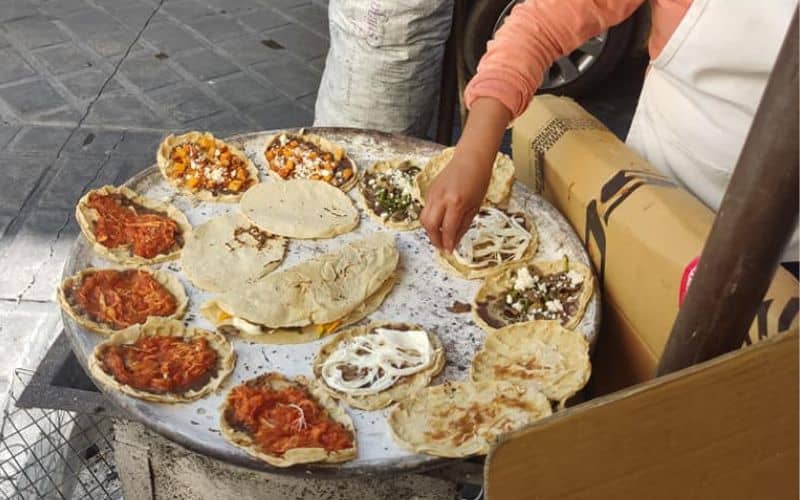
No trip to Oaxaca is complete without indulging in a tlayuda, Oaxaca's signature street food. This oversized, crispy tortilla, often compared to a pizza, is a blank canvas for a symphony of flavors and textures. The base is a large, thin, and slightly chewy tortilla that's toasted or grilled until it reaches a satisfyingly crunchy consistency.
Doña Vale: The Tlayuda Queen of Mercado 20 de Noviembre
When it comes to tlayudas Oaxaca, there’s one name that reigns supreme: Doña Vale. Her stall within Mercado 20 de Noviembre is a legendary destination, a must-visit for any serious food lover searching for where to eat tlayudas in Oaxaca.
(VIRAL VIDEO HOOK)
(EMBEDDED VIDEO: A rapid close-up of Doña Vale expertly assembling a tlayuda at lightning speed. Her hands blur as she layers ingredients with precision. Shot inside Mercado 20 de Noviembre during peak hours. Warm, golden-hour lighting filters through the market's open roof. Camera is mounted on a gimbal for smooth, orbiting motion. Focus is on Doña Vale and her tlayuda. Use a high-speed camera. Suddenly, Doña Vale winks at the camera after placing the final ingredient, a flourish of Oaxacan cheese, and then holds up the finished tlayuda with a beaming smile. The music suddenly cuts to a triumphant horn section.)
A Tlayuda Masterpiece: Doña Vale's Secret
What makes Doña Vale's tlayudas so special? It's a combination of fresh, high-quality ingredients and her decades of experience perfecting the art of the tlayuda. She is a true artist!
The foundation of her best tlayudas at Mercado 20 de Noviembre begins with a generous spread of asiento (unrefined pork lard) and refried black beans. Next comes a layer of shredded lettuce or cabbage, followed by a generous helping of quesillo, a stringy, mild Oaxacan cheese known for its incredible melting properties. Then, you get to choose your protein. Options typically include:
- Tasajo: Thinly sliced, dried beef
- Cecina: Salted pork
- Chorizo: Spicy pork sausage
Finally, the tlayuda is topped with salsa (usually a fiery red salsa or a milder green salsa), avocado, and a sprinkle of crumbled cotija cheese. The result is a harmonious blend of smoky, savory, and spicy flavors that dance on your palate. Many people want to know how to find Doña Vale at Mercado 20 de Noviembre, it's best to ask any vendor to point you in the right direction as her reputation precedes her.
A Brief History of Tlayudas
The exact origins of the Tlayuda are somewhat shrouded in mystery, but it is believed to be a pre-Hispanic dish. The dish represents the ingenuity and resourcefulness of Oaxacan cuisine. It uses simple ingredients to create a fulfilling and memorable culinary experience. The tlayuda is an expression of cultural identity and a symbol of Oaxacan culinary heritage.
Memelas: The Humble Corn Cake with a Kick
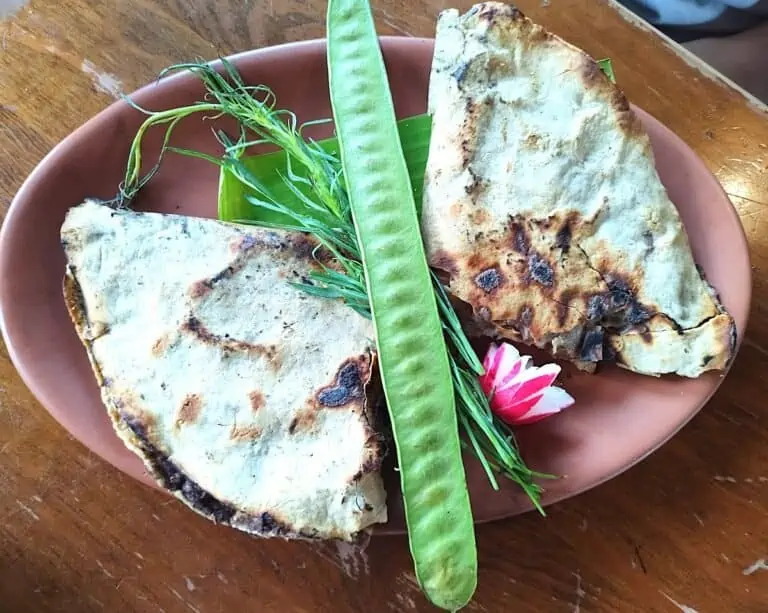
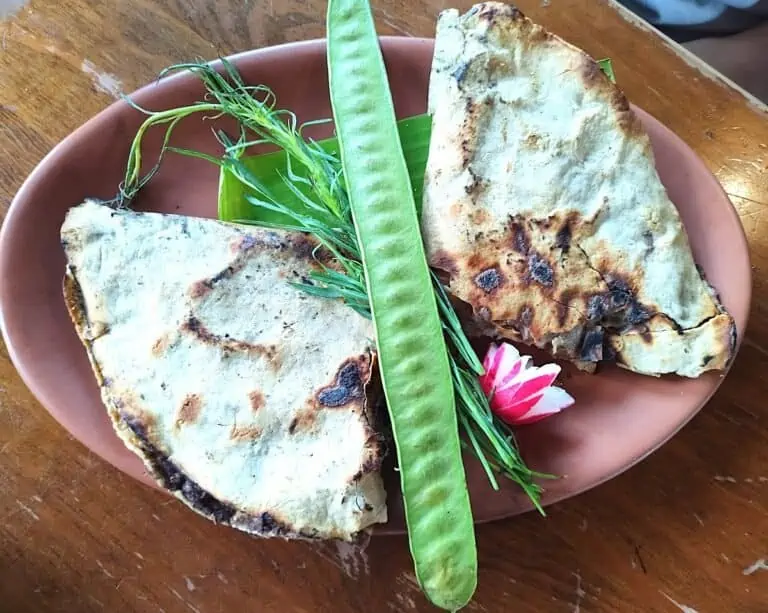
While the tlayuda may steal the spotlight, don't overlook the memela, another Oaxacan street food staple. This thick, oval-shaped corn cake is made from masa (corn dough) and grilled until slightly charred. It’s similar to a sope but simpler, and equally delicious.
Memela Variations and Flavors
Memelas are typically topped with refried black beans, salsa, quesillo, and sometimes asiento or crumbled cheese. You might also find variations with different types of meat or vegetables. One popular variation is Memelas with black beans Oaxaca recipe, which is a staple snack for locals and tourist alike.
Unlike the elaborate Tlayuda, the Memela is defined by it's simple preparation and reliance on authentic and fresh ingredients. The texture and flavor profiles are distinctly corn-forward and earthy.
The Ancestral Roots of Memelas
Corn has been a staple of the Mesoamerican diet for thousands of years. Dishes like memelas represent the deep connection between the people of Oaxaca and their agricultural heritage. The simplicity of the memela belies its rich history and cultural significance. It’s a food that speaks of tradition, community, and the enduring power of simple ingredients.
Tejate: The Drink of the Gods
No authentic Oaxacan cuisine experience is complete without trying tejate, a unique and refreshing pre-Hispanic beverage. Known as the "drink of the gods," tejate is made from toasted corn, fermented cacao beans, mamey pits, and flor de cacao (cacao flower).
Tejate’s Unique Preparation and Flavor
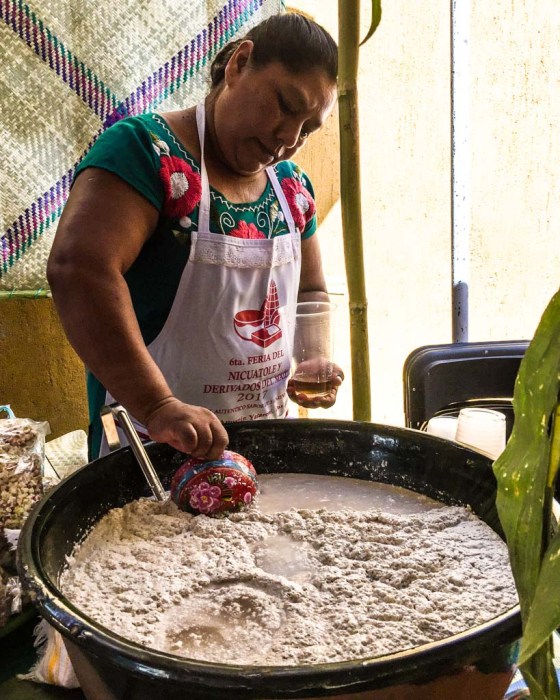
The ingredients are ground into a paste, mixed with water, and then beaten vigorously until a thick, frothy foam forms on top. This foam is the signature of tejate, and it’s what gives the drink its distinctive texture and flavor. The Tejate Oaxaca drink is earthy, slightly sweet, and subtly bitter, with a hint of floral aroma. It’s an acquired taste, but one that's well worth exploring. Many consider Tejate Oaxaca healthy ingredients given its corn and cacao origin.
Tejate's Sacred Past
The tradition of Tejate Oaxaca history indigenous drink dates back centuries, to the time of the Zapotec and Mixtec civilizations. It was often used in religious ceremonies and was considered a sacred beverage. Today, it's still enjoyed by people of all ages in Oaxaca, especially during festivals and celebrations.
Plan Your Street Food Pilgrimage
Oaxaca City is calling. It's time to embark on your own Oaxaca street food tour and discover the culinary treasures that await you. From the crispy tlayudas of Doña Vale to the humble memelas and the refreshing tejate, every bite and sip tells a story of tradition, culture, and community. So, book your trip, pack your appetite, and prepare for an unforgettable adventure in one of Mexico's most vibrant culinary destinations.
Is Oaxaca street food safe to eat? Yes, just stick to stalls that are busy with locals, that shows fast turnover and reliable food quality. Don't miss the chance to experience the soul of Oaxaca. Book your tour now and experience the vibrant flavors of Mercado 20 de Noviembre.