Beyond Luxury: Fogo Island Inn - A Model for Cul...
Dr. Lena Hanson, a cultural anthropologist and sustainable tourism consultant, has dedicated her career to studying the socio-economic impacts of tourism on rural communities. Her work focuses on how tourism can be leveraged to preserve local cultures, empower residents, and promote environmental sustainability. Recently, Dr. Hanson completed a week-long stay at the Fogo Island Inn in Newfoundland, Canada, a luxury hotel operated by the Shorefast Foundation, a registered Canadian charity. This review aims to evaluate the Inn's effectiveness in preserving Fogo Island’s rich cultural heritage, empowering its community, and minimizing its environmental impact. Does this luxurious establishment successfully blend high-end tourism with a genuine commitment to the well-being of the island and its people? This is the question Dr. Hanson will address.
Preservation of Local Craft Traditions
The Shorefast Foundation plays a pivotal role in supporting local artisans on Fogo Island. Recognizing the vital connection between the island's cultural identity and its craft traditions, the foundation actively works to provide resources, training, and market access for local craftspeople. This commitment ensures that skills passed down through generations are not only preserved but also thrive in the modern economy. The Fogo Island Inn serves as a stunning showcase for these crafts, seamlessly integrating them into its design and guest experience.
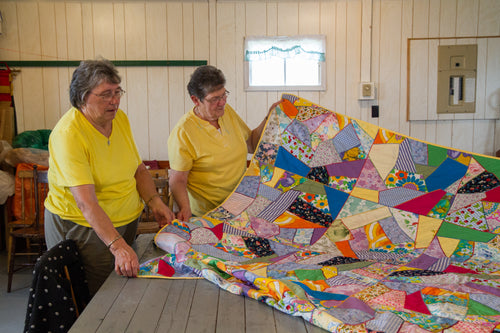
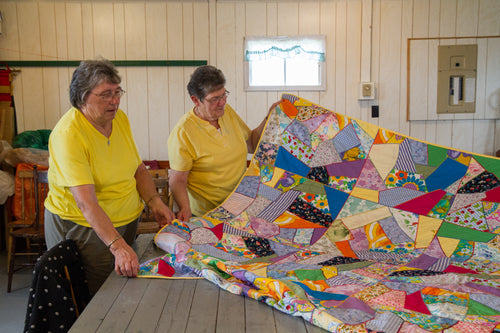
One notable example is quilting. Traditional quilts, each a unique work of art, adorn guest rooms, providing warmth and a tangible connection to the island's heritage. The Inn also offers quilting workshops, allowing guests to learn from local artisans and create their own pieces.
Dr. Hanson spoke with Agnes, a lifelong resident of Fogo Island and a skilled quilter: "Quilting has always been more than just a craft here; it's a way of life. Our mothers and grandmothers taught us, passing down stories and traditions with every stitch. It's how we kept warm, how we celebrated, and how we mourned. The Inn has given us a new platform, a way to share our heritage with the world and ensure that these skills don't disappear." Agnes is also working diligently to preserve the unique dialect of Fogo Island, incorporating it into her quilting and storytelling.
Woodworking is another craft deeply ingrained in Fogo Island's identity. Local carpenters, using locally sourced wood, handcrafted much of the Inn's furniture and architectural details. The design cleverly mimics the traditional "tilting stages," the wooden structures used by fishermen to process their catch, reflecting the island's strong connection to the sea. The Inn itself almost appears to be tilting towards the ocean!
Boat building, historically essential to the island's survival, remains an important part of Fogo Island's cultural heritage. While the Inn does not directly engage in boat building, its support of local culture indirectly benefits boat builders by fostering a broader appreciation for the island's maritime traditions. The knowledge and skills needed to build these vessels are kept alive through storytelling and cultural celebrations, partially supported by the Shorefast Foundation.
Promotion of Community-Based Tourism
The Fogo Island Inn operates on a community-based tourism model, prioritizing the well-being of local residents and ensuring that the economic benefits of tourism are widely distributed. This approach is evident in its employment practices, sourcing strategies, and guided tour offerings. The Inn employs local residents in various capacities, from housekeeping and culinary staff to tour guides and artisans. This provides valuable employment opportunities and helps to retain talent within the community. Food is sourced locally whenever possible, supporting local farmers and fishermen and reducing the Inn's carbon footprint. The commitment to using fresh, local ingredients also enhances the guest experience, providing an authentic taste of Newfoundland.
The guided tours offered by the Inn are another key component of its community-based tourism model. These tours, led by knowledgeable local residents like Agnes, showcase the island's unique culture, history, and natural environment.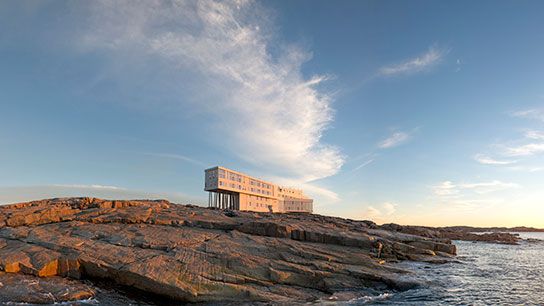
Dr. Hanson interviewed Agnes about her experience:
Dr. Hanson: "Agnes, how has the Inn impacted your life and the community?"
Agnes: "Well, for generations, my family fished these waters. But with the fish stocks dwindling, it became harder and harder to make a living. The Inn has given me a new opportunity. I now lead hiking tours, sharing my knowledge of the island with visitors. It's a dream come true! I get to stay on the island, share my passion, and earn a decent living. The Inn has provided jobs for many of us, and it's bringing money into the community. More importantly, it's helping us preserve our culture and traditions. We are proud of who we are and where we come from." Agnes also noted that the Inn helps ensure that younger generations see a viable future for themselves on Fogo Island.
Agnes’s transition from fisherman to tour guide exemplifies the Inn's commitment to supporting local residents and fostering economic resilience. Her intimate knowledge of the island's unique geology and cultural history provides guests with an unforgettable and authentic experience.
Minimization of Environmental Impact
The Fogo Island Inn is committed to minimizing its environmental impact through sustainable design and operating practices. The Inn's architecture is designed to blend seamlessly with the surrounding landscape, using locally sourced materials and incorporating passive heating and cooling strategies. Renewable energy sources, such as solar and wind, power the Inn, reducing its reliance on fossil fuels.
The Inn also implements comprehensive waste reduction strategies. Composting and recycling programs divert waste from landfills, while responsible sourcing practices ensure that local produce and seafood are sustainably harvested. The Inn actively works to protect local seabird populations, such as puffins and gannets, through habitat conservation and responsible tourism practices. Guests are educated about the importance of respecting wildlife and minimizing their impact on the environment.
The rainwater harvesting system is another key component of the Inn's sustainability efforts. Rainwater is collected and stored for use in toilets and laundry, conserving precious freshwater resources. This innovative system demonstrates the Inn's commitment to environmental stewardship and its efforts to minimize its water footprint.
Dr. Hanson’s Expert Opinion:
- Effectiveness of Balance: "The Inn successfully balances luxury tourism with its commitment to cultural preservation and community empowerment. It achieves this by integrating local culture into every aspect of the guest experience, from the design of the rooms to the food served in the restaurant. The Inn empowers the community by providing employment opportunities, supporting local artisans, and promoting community-based tourism."
- Long-Term Socio-Economic Impacts: "The long-term socio-economic impacts of the Inn on the Fogo Island community are overwhelmingly positive. The Inn has helped to diversify the local economy, create jobs, and retain talent. It has also helped to preserve the island's cultural heritage and promote sustainable tourism practices."
- Comparison to Other Models: "The Inn's model of community-based tourism is far superior to other models I have studied in other rural communities. Many tourism destinations focus solely on maximizing profits, often at the expense of the local community and the environment. The Fogo Island Inn, on the other hand, prioritizes the well-being of the community and the environment. It demonstrates that it is possible to create a successful tourism business while also being socially responsible."
- Lessons for Other Destinations: "Other tourism destinations can learn valuable lessons from the Fogo Island Inn's approach to sustainability and cultural preservation. By prioritizing the well-being of the community and the environment, destinations can create a more sustainable and equitable tourism industry. It requires a commitment to long-term planning, community engagement, and responsible business practices."
Conclusion
The Fogo Island Inn stands as a remarkable example of responsible tourism and cultural preservation. Its commitment to community empowerment, environmental sustainability, and the celebration of local traditions makes it a truly unique destination. This review, through the lens of Dr. Lena Hanson, highlights the Inn's effectiveness in balancing luxury tourism with a genuine commitment to the well-being of Fogo Island and its residents. If you're seeking a travel experience that transcends luxury and contributes to a positive social and environmental impact, consider booking a stay at Fogo Island Inn.