Beyond Imagination: Exploring the Danakil Depres...
Imagine a place where the earth boils, colors defy reality, and survival is an art. Welcome to the Danakil Depression, one of the hottest and most inhospitable places on Earth. Yet, amidst this geological inferno, the resilient Afar people have thrived for centuries, their lives intertwined with the land's unique bounty. This isn't just a journey; it's an odyssey into an alien world, a chance to witness geological marvels, understand the traditions of the Afar, and support responsible tourism. Explore the Danakil Depression with us, alongside the Afar Sustainable Development Initiative ASDI.org and expert guides at VolcanoQuest.com.
Geological Marvels: A Journey Through the Danakil's Unearthly Formations
The Danakil Depression, a northern extension of the Great Rift Valley, presents a geological playground unlike any other. Its scorching temperatures, often exceeding 120°F (50°C), combined with its location below sea level, create an environment where volcanic activity, hydrothermal vents, and vast salt plains converge to create stunning, surreal landscapes. Let's delve into the wonders that define this extraordinary region.
Dallol Volcano: The Rainbow Hot Springs
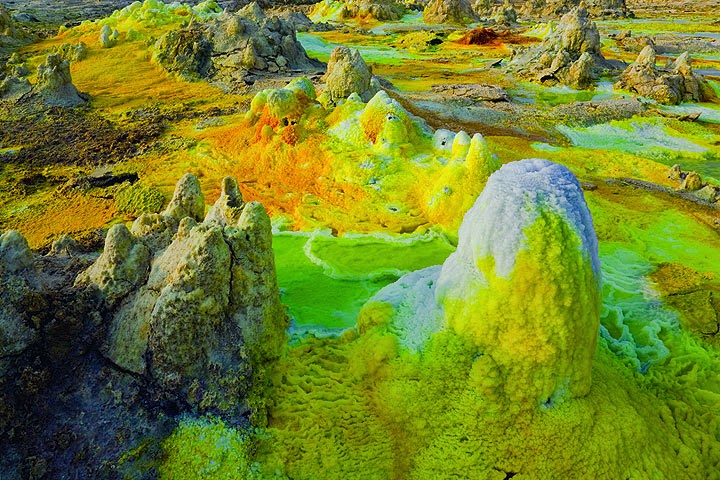
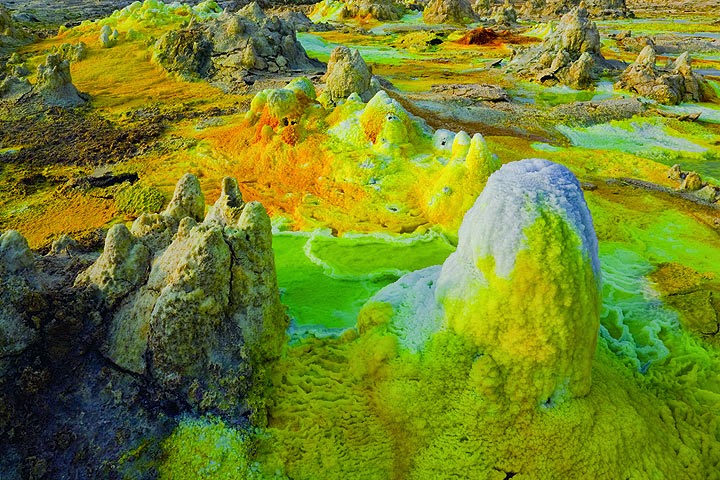
Dallol isn't your typical volcano with a cone; instead, it's a vast area of hydrothermal fields marked by vibrant, multi-colored hot springs. These springs, formed by magma heating groundwater that dissolves minerals as it rises, create a psychedelic palette of yellows, greens, oranges, and browns. The colors result from the varying concentrations of iron, sulfur, and other minerals. The hyper-saline, acidic conditions are inhospitable to most life, yet some extremophile microorganisms thrive here, offering clues to the possibilities of life on other planets. A visit to Dallol feels like stepping onto Mars.
Lake Asale: The Salt Flats of Another World
Lake Asale, also known as Lake Karum, is a vast salt lake that stretches as far as the eye can see. The seemingly endless expanse of brilliant white salt is a testament to the area’s geological history. Over millennia, tectonic activity and volcanic events trapped seawater, which then evaporated under the scorching sun, leaving behind a thick layer of salt deposits. This process continues today, with the Afar people actively mining the salt, a practice that has sustained them for centuries. On sunny days, the salt flats create a mesmerizing mirror effect, reflecting the sky and creating the illusion of walking on clouds. This has attracted the attention of photography enthusiasts.
Hydrothermal Fields: A Symphony of Sulfur and Steam
Beyond Dallol, the Danakil Depression is dotted with other hydrothermal fields. These areas are characterized by bubbling mud pools, steaming vents, and sulfur deposits that create a pungent, otherworldly atmosphere. Geothermal activity beneath the surface heats groundwater, which then rises through cracks and fissures, carrying dissolved minerals. As the water reaches the surface, it cools and evaporates, leaving behind colorful mineral deposits, particularly sulfur, which creates brilliant yellow formations. The hissing and bubbling sounds, combined with the intense heat and strong smells, create a sensory experience that is both fascinating and slightly unsettling.
The Afar People: A Culture Forged in Fire and Salt
The Afar people, a nomadic ethnic group, have called the Danakil Depression home for centuries. Their resilience and adaptability are remarkable, as they have developed unique strategies for surviving in this extreme environment. The Afar language is part of the Cushitic branch of the Afro-Asiatic language family, and their rich cultural traditions are closely tied to the land and its resources.
Salt Mining: A Lifeline in the Desert
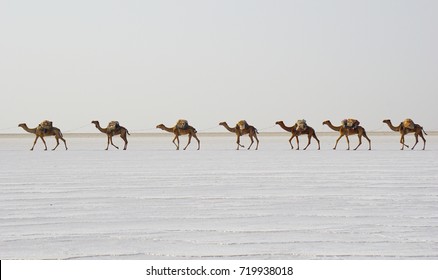
Salt is more than just a commodity in the Danakil Depression; it’s a lifeline. The Afar have traditionally mined salt from Lake Asale, using it for trade and sustenance. Salt slabs serve as a crucial currency. The process is arduous, involving hand-cutting the salt into blocks and transporting them by camel caravan to markets in the highlands. These caravans, sometimes stretching for miles, are a testament to the Afar's endurance and their deep connection to the land. Experiencing the Afar salt mining is one of the most incredible experiences.
Nomadic Life: Adapting to the Extreme
The Afar people are primarily nomadic pastoralists, moving with their livestock to find grazing and water. Their traditional homes are portable structures made from woven mats, allowing them to easily relocate as needed. The Afar's knowledge of the land and its resources is extensive, enabling them to navigate the harsh conditions and find sustenance. Their survival is a testament to the strength of the community, and they are deeply connected to the land.
Cultural Immersion: Respectful Encounters
When visiting the Danakil Depression, it’s crucial to approach the Afar people with respect and sensitivity. Engaging with local guides and tour operators that prioritize community benefits ensures that your visit positively impacts the Afar. Learning a few basic phrases in Afar and showing genuine interest in their culture can go a long way in fostering meaningful connections. Many tours offer opportunities to stay in Afar villages and participate in cultural activities, providing a deeper understanding of their way of life.
Responsible Tourism: Supporting the Afar's Future
Tourism can bring economic opportunities to the Afar community, but it also poses potential risks to their culture and the environment. It's essential to choose tour operators committed to responsible tourism practices, minimizing negative impacts and maximizing benefits for the local community.
Ethical Considerations
Responsible tourism in the Danakil Depression involves respecting the Afar's traditions, protecting the environment, and ensuring that tourism revenue benefits the community directly. This includes supporting locally owned businesses, hiring Afar guides and drivers, and avoiding activities that could disrupt their way of life. It's crucial to be mindful of your environmental footprint, minimizing waste and respecting the fragile ecosystem.
Supporting ASDI (Afar Sustainable Development Initiative)
The Afar Sustainable Development Initiative ASDI.org is dedicated to improving the lives of the Afar people through sustainable development initiatives. ASDI focuses on education, healthcare, and economic empowerment, working in partnership with the Afar community to create a better future. By supporting ASDI, you can contribute to their efforts to promote sustainable tourism and improve the well-being of the Afar people.
VolcanoQuest.com: Partnering for Responsible Exploration
VolcanoQuest.com is a tour operator specializing in geological expeditions, particularly in the Danakil Depression. They partner with local communities and prioritize responsible tourism practices, ensuring that their tours benefit the Afar people and minimize environmental impact. Their experienced guides provide valuable insights into the region's geology and culture, making your journey both educational and enriching.
Planning Your Journey: Essential Information
Planning a trip to the Danakil Depression requires careful consideration due to the extreme conditions. Here's what you need to know to prepare for your adventure:
Best Time to Visit
The cooler months, from November to February, are generally considered the best time to visit the Danakil Depression. During this period, temperatures are relatively milder, although still very hot. Avoid visiting during the summer months (June-August) when temperatures can become unbearable.
Essential Gear
Packing the right gear is crucial for a comfortable and safe trip to the Danakil Depression. Here's a list of essential items:
- High SPF sunscreen
- Wide-brimmed hat
- Sunglasses with UV protection
- Lightweight, breathable clothing
- Sturdy hiking boots
- Refillable water bottles or hydration pack
- Electrolyte supplements
- Headlamp or flashlight
- First-aid kit
- Camera with protective gear
Health and Safety
Consult with your doctor before traveling to the Danakil Depression to ensure you have the necessary vaccinations and health precautions. It's essential to stay hydrated, avoid strenuous activities during the hottest part of the day, and follow the advice of your guides. The Danakil Depression is a remote area, and medical facilities are limited, so it's important to be prepared. Safety is always the most important thing to consider when planning your travels.
Conclusion
The Danakil Depression is not just a destination; it's an experience that will challenge your perceptions, inspire your sense of adventure, and leave you with a profound appreciation for the power of nature and the enduring spirit of humanity. From the vibrant landscapes of Dallol to the salt mines of Lake Asale, the Danakil offers geological wonders unlike any other place on Earth. The resilience of the Afar people, their traditions, and their connection to the land provide a powerful reminder of the human capacity to adapt and thrive in even the most extreme environments.
Plan your journey to the Danakil Depression with VolcanoQuest.com and support the work of ASDI.org to ensure that your visit benefits the Afar community and protects this unique and fragile ecosystem. The adventure awaits, promising an unforgettable experience that will stay with you long after you leave.