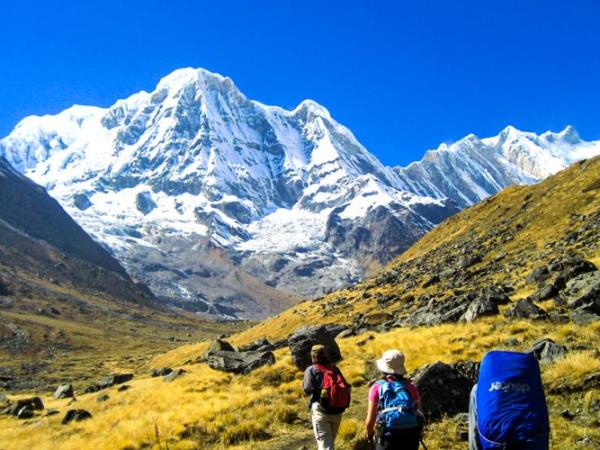
Beyond Base Camp: Discovering the Soul of Nepal...
The Annapurna region of Nepal is synonymous with trekking, and while the iconic Annapurna Base Camp trek draws crowds, a deeper, more authentic experience awaits those who venture higher and explore the less-traveled sections of the Annapurna Circuit above 3,000 meters. This isn't just about conquering peaks; it's about cultural immersion, forging connections with the local Gurung and Magar communities, and embracing a slower, more sustainable way to travel. This journey promises breathtaking views, challenging trails, and a profound connection with the spiritual heart of the Himalayas. Pack your bags, learn a few Nepali phrases, and prepare to discover the soul of Nepal on an Annapurna tea house trek.
Trekking Above the Clouds: A Detailed Itinerary
This itinerary focuses on a section of the Annapurna Circuit Trek, emphasizing the less-traveled, higher-altitude portions.
Day 1: Arrival in Kathmandu and Transfer to Besisahar (760m)
- Fly into Tribhuvan International Airport (KTM) in Kathmandu. Enjoy a scenic drive to Besisahar, the starting point of the trek.
Day 2: Besisahar to Bahundanda (1,310m)
- Begin trekking through lush rice paddies and subtropical forests, gradually ascending to Bahundanda.
Day 3: Bahundanda to Chamje (1,430m)
- Descend to the Marsyangdi River, cross suspension bridges, and trek through rhododendron forests to reach Chamje.
Day 4: Chamje to Bagarchhap (2,160m)
- The trail becomes steeper as you enter the Manang district. Pass through picturesque villages and witness the changing landscape.
Day 5: Bagarchhap to Chame (2,670m)
- Continue ascending through pine and fir forests, with stunning views of Lamjung Himal and Annapurna II. Arrive in Chame, the administrative center of Manang.
Day 6: Chame to Upper Pisang (3,300m)
- Today, the trek gets above 3,000m. Trek through a steeper, more rugged landscape and stay in the village of Upper Pisang to acclimatize.
Day 7: Acclimatization Day in Upper Pisang
- Take a day to acclimatize to the altitude. Explore the village, visit the local monastery, and enjoy panoramic views. Consider a short hike to gain additional elevation.
Day 8: Upper Pisang to Ngawal (3,660m)
- This leg is the start of the less travelled portion of the Annapurna circuit. The trail climbs steeply, offering incredible views of the Annapurna range and the valley below. Ngawal is a traditional village with a rich cultural heritage.
Day 9: Ngawal to Manang (3,500m)
- Continue trekking through high-altitude desert landscapes, passing through the village of Braga with its ancient monastery. Arrive in Manang, a major trading center in the region.
Day 10: Acclimatization Day in Manang
- Another crucial acclimatization day. Hike to Ice Lake (4,600m) or explore the surrounding area to prepare for the Thorong La Pass.
Day 11: Manang to Yak Kharka (4,050m)
- Ascend gradually through alpine meadows and yak pastures to Yak Kharka, a small settlement offering stunning mountain views.
Day 12: Yak Kharka to Thorong Phedi (4,533m)
- A shorter but challenging day, trekking to Thorong Phedi, the base camp for the Thorong La Pass. Rest and prepare for the early morning crossing.
Day 13: Thorong Phedi to Thorong La Pass (5,416m) to Muktinath (3,800m)
- The most challenging day of the trek. Begin before dawn to cross the Thorong La Pass, the highest point on the Annapurna Circuit. Enjoy breathtaking views from the top before descending to Muktinath, a sacred pilgrimage site for Hindus and Buddhists.
Day 14: Muktinath to Jomsom (2,743m)
- Descend through the dramatic landscapes of the Mustang region to Jomsom, a windy town with an airport.
Day 15: Fly from Jomsom to Pokhara
- Take a short flight from Jomsom to Pokhara, enjoying stunning aerial views of the Himalayas.
Day 16: Pokhara to Kathmandu
- Fly or take a tourist bus back to Kathmandu.
Day 17: Departure from Kathmandu
- Transfer to Tribhuvan International Airport for your departure flight.
Cultural Immersion: Connecting with the Local Communities
The Annapurna region is home to diverse ethnic groups, primarily the Gurung and Magar communities. Embrace the opportunity to learn about their unique traditions and way of life.
- Stay in Family-Run Tea Houses: Tea houses are the heart of the Annapurna trekking experience. Staying in these family-run establishments not only provides accommodation and meals but also supports the local economy directly.
- Interact with Locals: Take the time to chat with tea house owners, guides, and villagers. Ask about their lives, their traditions, and their perspectives on the world. Learning a few basic Nepali phrases like "Namaste" (hello), "Dhanyabad" (thank you), and "Kasto Chha?" (How are you?) can go a long way in building rapport.
- Participate in Local Customs: If invited, participate in traditional dances, ceremonies, or festivals. Visit local monasteries and learn about Buddhism and its significance in the region.
- Respect Local Norms: Dress modestly, especially when visiting religious sites. Ask permission before taking photos of people or places. Avoid public displays of affection and be mindful of local customs regarding food and drink.
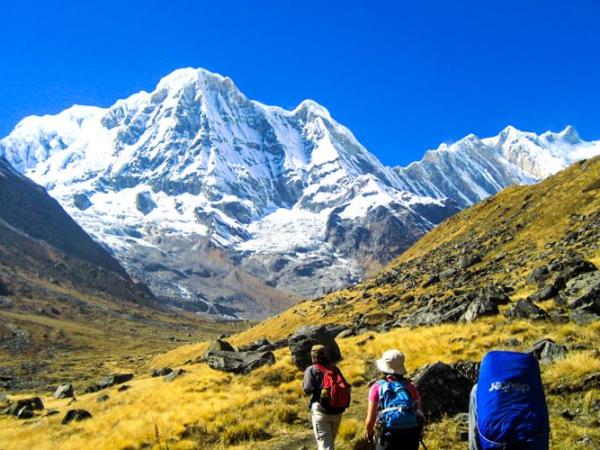
Immersing Yourself in Gurung and Magar Culture
The Gurung and Magar communities have distinct cultures reflected in their language, dress, and customs.
- Gurung Culture: Known for their bravery and service in the British Gurkha regiments, the Gurungs have a rich tradition of music, dance, and shamanism. Look for opportunities to witness traditional Gurung dances or learn about their unique spiritual beliefs.
- Magar Culture: The Magars are known for their agricultural skills and their distinct language and traditions. They have a strong oral tradition and are skilled artisans, producing beautiful textiles and handicrafts.
Delicious Nepali Cuisine: A Culinary Journey
Exploring local cuisine is an integral part of any cultural experience. Here are some must-try dishes during your Annapurna tea house trek:
- Dal Bhat: The staple food of Nepal, consisting of lentil soup (dal), rice (bhat), and vegetable curry.
- Thukpa: A hearty noodle soup with vegetables and meat, perfect for warming up on a cold day.
- Momos: Dumplings filled with meat or vegetables, steamed or fried.
- Roti: Flatbread made from wheat flour, often served with curry or vegetables.
- Tsampa: Roasted barley flour, a traditional staple food of the Tibetan and Himalayan regions.
Sustainable Trekking: Respecting the Environment and the Community
Responsible and sustainable tourism is crucial for preserving the natural beauty and cultural heritage of the Annapurna region.
- Support Local Businesses: Choose tea houses and tour operators that are locally owned and operated. This ensures that your money directly benefits the community.
- Minimize Waste: Pack reusable water bottles, shopping bags, and containers. Avoid single-use plastics and dispose of waste responsibly.
- Respect Cultural Norms: Dress modestly, ask permission before taking photos, and be mindful of local customs and traditions.
- Conserve Water and Energy: Use water sparingly and turn off lights and appliances when not in use.
- Choose Eco-Friendly Products: Use biodegradable soap, shampoo, and sunscreen.
Eco-Friendly Practices During Your Trek
- Water Conservation: Carry water purification tablets or a water filter to avoid buying bottled water.
- Waste Management: Pack out all trash, including wrappers, food scraps, and packaging.
- Trail Etiquette: Stay on designated trails to avoid damaging vegetation and disturbing wildlife.
Practical Advice for a Successful Trek
- Altitude Sickness Prevention: Ascend gradually, drink plenty of water, and avoid alcohol and smoking. Consider taking Diamox (acetazolamide) after consulting with your doctor.
- Packing for Variable Weather Conditions: Pack layers of clothing, including thermal underwear, fleece jackets, and a waterproof shell. Be prepared for cold temperatures, especially at higher altitudes.
- Finding Reliable Local Guides: Hire a guide through a reputable trekking agency or ask for recommendations from other travelers. A good guide can enhance your trekking experience and provide valuable insights into the local culture and environment.
- Best time to do Annapurna Tea House Trek: The best times to trek in the Annapurna region are during the spring (March-May) and autumn (September-November) seasons. These months offer clear skies, moderate temperatures, and less rainfall.
Choosing the Right Teahouse
- Comfort: Choose a tea house with comfortable beds and clean facilities.
- Food Quality: Look for tea houses with good reviews and a varied menu.
- Location: Consider the location of the tea house in relation to the trail and the surrounding scenery.
- Sustainability: Choose a tea house that practices sustainable tourism.
Conclusion: An Unforgettable Journey
The Annapurna tea house trek is more than just a physical challenge; it's an opportunity to connect with nature, immerse yourself in a rich culture, and discover the spiritual heart of the Himalayas. By trekking responsibly and supporting local communities, you can help preserve this incredible region for future generations. So, research and book your trek through local, sustainable tour operators and embark on an adventure that will stay with you long after you've returned home. Before you go, be sure to learn basic Nepali phrases. Consider booking with Himalayan Trekkers.
Conquering the Dragon's Back: A Thrilling Traverse Across South Africa's Drakensberg Escarpment
The Drakensberg, or "Dragon Mountains," of South Africa, are a majestic range that offers some of the most challenging and rewarding hiking experiences in the world. The Drakensberg Traverse, a multi-day hike along the escarpment, is a true test of physical and mental endurance, rewarding adventurers with breathtaking views, diverse landscapes, and a profound sense of accomplishment. This is a journey for experienced hikers who are prepared to tackle demanding terrain, unpredictable weather, and the challenges of navigating in a remote wilderness.
Planning Your Drakensberg Traverse: A Comprehensive Guide
The Drakensberg Traverse is not a hike to be taken lightly. Careful planning and preparation are essential for a safe and successful journey.
- Permits: Permits are required for hiking and camping in certain sections of the Drakensberg. Obtain necessary permits from Ezemvelo KZN Wildlife [https://www.kznwildlife.com/].
- Weather Conditions: The Drakensberg is known for its unpredictable weather. Be prepared for sudden changes in temperature, rain, snow, and strong winds. Check the weather forecast regularly and be prepared to adjust your plans accordingly.
- Navigation: The Drakensberg Traverse requires excellent navigation skills. Carry a detailed map and compass and know how to use them. GPS devices can be helpful, but should not be relied upon as the sole means of navigation.
- Essential Gear: Pack lightweight and durable hiking gear, including a sturdy backpack, waterproof hiking boots, a sleeping bag rated for sub-zero temperatures, a tent, a stove, and plenty of food and water.
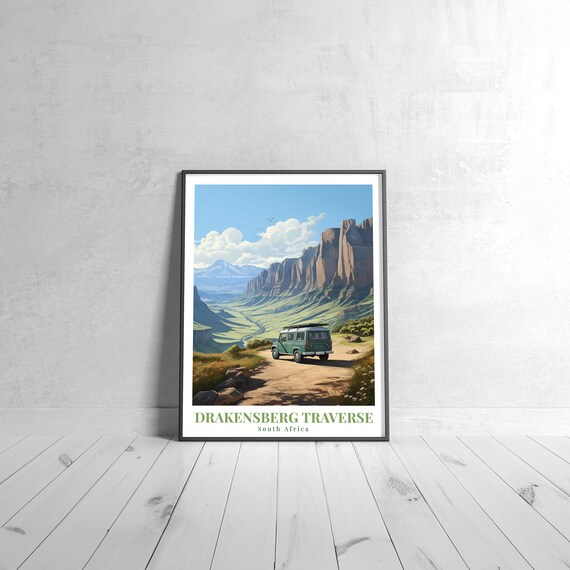
What to Pack for Drakensberg Traverse South Africa
- Navigation apps for Drakensberg traverse: While a map and compass are essential, consider Gaia GPS or similar for backup navigation.
- Clothing: Pack layers, including waterproof and windproof outer layers, thermal underwear, fleece jackets, and hiking pants.
- Footwear: Sturdy, waterproof hiking boots with good ankle support are essential.
- Shelter: A lightweight and durable tent is recommended for camping.
- Sleeping Gear: A sleeping bag rated for sub-zero temperatures is necessary for staying warm at night.
- Cooking Gear: A lightweight stove and cooking utensils are needed for preparing meals.
- Food and Water: Pack plenty of high-energy food and water. Carry a water filter or purification tablets to ensure a safe water supply.
Popular Drakensberg Traverse Routes
While variations exist, common routes include:
- The Grand Traverse: A challenging route that follows the entire Drakensberg escarpment, typically taking 10-14 days.
- The Northern Traverse: A shorter route that focuses on the northern section of the Drakensberg, taking 5-7 days.
- The Cathedral Peak Traverse: A popular route that includes the iconic Cathedral Peak, taking 3-5 days.
Embracing the Challenge: Terrain, Safety, and Weather
The Drakensberg Traverse presents numerous challenges, including steep ascents, exposed ridges, river crossings, and unpredictable weather.
- Steep Ascents and Descents: The Drakensberg escarpment is characterized by steep ascents and descents, requiring significant physical strength and stamina.
- Exposed Ridges: Many sections of the traverse follow exposed ridges, where strong winds and slippery conditions can pose a significant hazard.
- River Crossings: Depending on the route and the season, you may need to cross rivers. Be cautious of strong currents and slippery rocks.
- Unpredictable Weather: The Drakensberg is known for its rapidly changing weather conditions. Be prepared for sudden changes in temperature, rain, snow, and strong winds.
Hiking safety in South Africa
- Inform someone of your plans: Always let someone know your route and expected return date.
- Hike with a partner: Hiking with a partner is safer than hiking alone.
- Carry a first-aid kit: Be prepared to treat minor injuries and illnesses.
- Know how to use your gear: Practice using your map, compass, stove, and other essential gear before you go.
Zulu Heritage Along the Drakensberg Traverse
The Drakensberg holds significant cultural importance for the local Zulu and San communities.
- Zulu Culture: The Drakensberg is considered a sacred place by the Zulu people, who believe that it is home to ancestral spirits.
- San Culture: The San people, also known as Bushmen, lived in the Drakensberg for thousands of years, leaving behind a rich legacy of rock art.
History of Zulu people
- Shaka Zulu: The Drakensberg was a strategic location for the Zulu kingdom during the reign of Shaka Zulu.
- Anglo-Zulu War: The Drakensberg played a role in the Anglo-Zulu War of 1879.
Appreciating the Drakensberg's Unique Flora and Fauna
The Drakensberg is home to a diverse array of plant and animal life, including many endemic species found nowhere else in the world.
- Endemic Plant Species: The Drakensberg is a biodiversity hotspot, with many endemic plant species, including orchids, lilies, and proteas.
- Wildlife: The Drakensberg is home to a variety of wildlife, including baboons, eland, jackals, and birds of prey.
Drakensberg Flora and Fauna
- Mountain Reedbuck: A common antelope found in the Drakensberg.
- Bearded Vulture: A majestic bird of prey that soars over the Drakensberg peaks.
Conclusion: A Summit to Remember
The Drakensberg Traverse is a challenging but incredibly rewarding adventure that will test your limits and leave you with memories that will last a lifetime. By planning carefully, preparing for the challenges, and respecting the environment and the local culture, you can ensure a safe and unforgettable journey across the Dragon's Back. Assess your fitness level realistically and hire experienced guides familiar with the terrain and weather patterns. Consider using guides at https://www.drakensberghikes.com/.
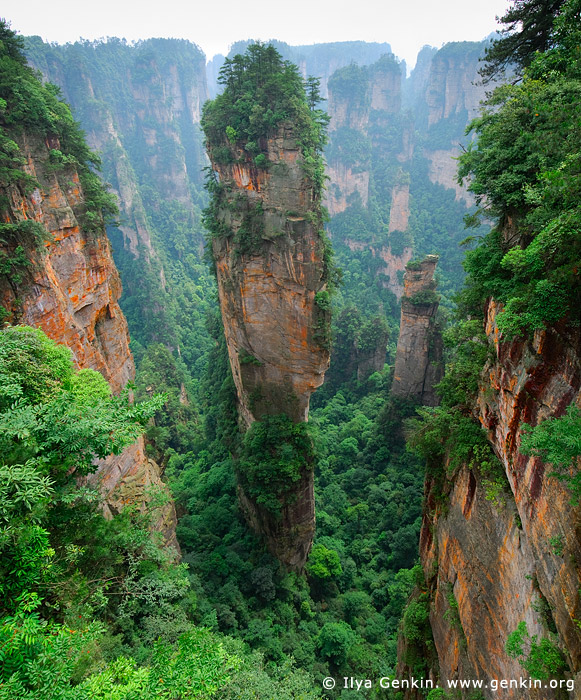
Avatar Mountains Awakened: Journey to Zhangjiajie's Mystical Tianzi Peaks
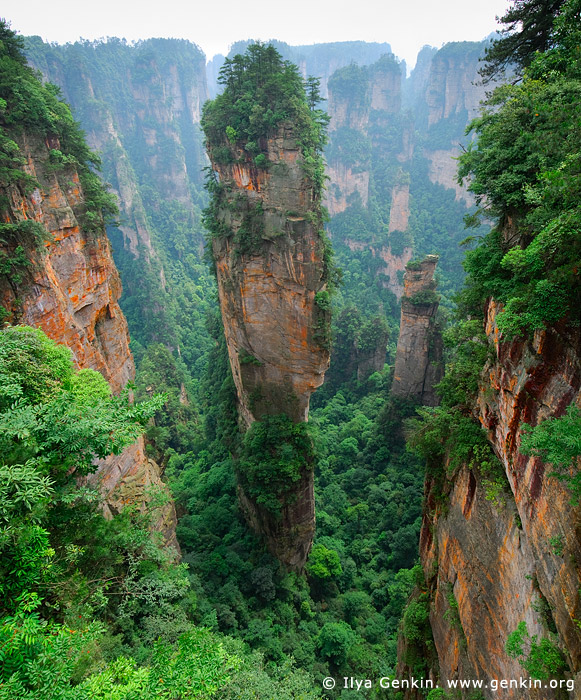
Zhangjiajie National Forest Park, located in Hunan Province, China, is a landscape unlike any other on Earth. Its towering sandstone pillars, often shrouded in mist, create a surreal and breathtaking scene, inspiring artists and filmmakers alike (most notably, the movie Avatar). The Tianzi Mountains, or "Son of Heaven Mountains," are a particularly stunning section of the park, offering panoramic views, challenging hikes, and a glimpse into the rich cultural heritage of the local Tujia ethnic group. Prepare to be mesmerized by the ethereal beauty of the Tianzi Peaks.
Accessing the Floating Peaks: Practical Information for Your Visit
Planning a trip to the Tianzi Mountains requires careful consideration of transportation, accommodation, and entrance fees.
- Transportation: Zhangjiajie has an airport (DYG) with domestic and international flights. From the airport or Zhangjiajie city, you can take a bus or taxi to the park entrance. Within the park, shuttle buses and cable cars provide access to different areas.
- Accommodation: Choose from a range of accommodation options, from budget-friendly guesthouses to luxury hotels, both inside and outside the park. Staying inside the park allows for easier access to the trails and viewpoints, but options outside the park may be more affordable.
- Entrance Fees: Zhangjiajie National Forest Park requires an entrance fee. Consider purchasing a multi-day pass for unlimited access to the park and its attractions.
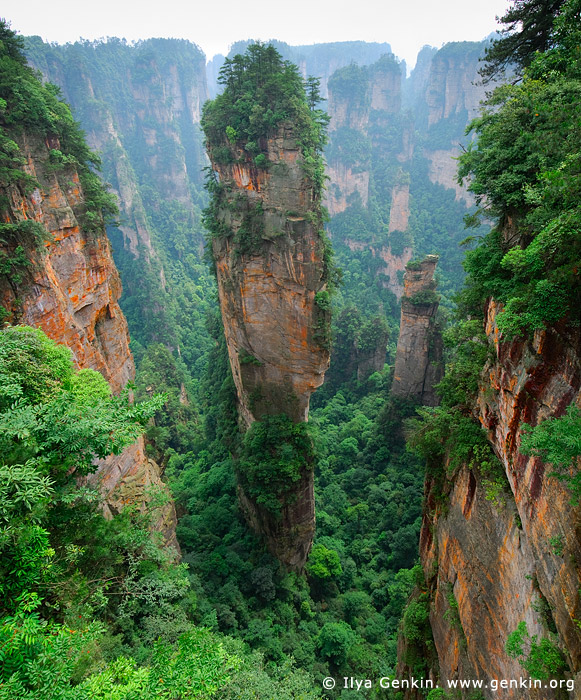
Zhangjiajie Accommodation Options
- Inside the Park: Offers convenience but may be more expensive.
- Outside the Park (Wulingyuan): More affordable options with easy access to the park entrance.
Capturing the Magic: Photography and Hiking in Tianzi Mountains
The Tianzi Mountains offer endless opportunities for photography and exploration.
Specific Viewpoints:
- Helong Park: Offers panoramic views of the pillar formations and the surrounding landscape.
- Imperial Writing Brush Peaks: A group of slender pillars that resemble writing brushes.
- Fairy Scattering Flowers: A viewpoint overlooking a valley filled with mist-shrouded pillars.
Hiking Trails: Choose from a variety of hiking trails suited for different fitness levels. The trails range from easy walks to challenging climbs.
Zhangjiajie Tianzi Mountains Photography Tips
- Best Time to Visit: The shoulder seasons (spring and autumn) offer the best weather and fewer crowds.
- Weather Conditions: Mist and fog can enhance the beauty of the landscape, but can also obscure the views. Be patient and wait for the mist to clear.
- Equipment: Bring a wide-angle lens to capture the panoramic views and a telephoto lens to zoom in on the details of the pillar formations.
- Photography tips Go during sunrise or sunset for the best lighting
Experiencing Tujia Traditions in Zhangjiajie
The Tianzi Mountains are located in an area inhabited by the Tujia ethnic group, who have a rich cultural heritage.
- Traditional Clothing: The Tujia people are known for their colorful and intricate traditional clothing.
- Music and Dance: Tujia music and dance are an integral part of their culture. Look for opportunities to witness traditional performances.
- Language: The Tujia language is a distinct language with its own unique vocabulary and grammar.
Tujia cultural experiences near Zhangjiajie
- Tujia Folk Custom Park: A theme park showcasing Tujia culture and traditions.
- Local Villages: Visit local Tujia villages to experience their way of life firsthand.
Sustainable Tourism in Zhangjiajie: Preserving the Natural Wonder
Zhangjiajie faces ecological challenges due to increasing tourism. Efforts are being made to promote sustainable tourism practices.
- Ecological Challenges: Overcrowding, pollution, and deforestation are some of the ecological challenges facing the region.
- Sustainable Tourism Efforts: Efforts are being made to promote sustainable tourism practices, such as limiting the number of visitors, promoting eco-friendly transportation, and supporting local communities.
Sustainable practices Annapurna region
- Respect Local Culture: Engage with the local population and learn about their customs
- Minimize Waste: Carry reusable bags and containers
- Choose Eco-friendly Products: Consider products with less impact on the environment
Conclusion: A Journey to Another World
The Tianzi Mountains of Zhangjiajie offer a truly unique and unforgettable travel experience. By exploring the stunning landscape, immersing yourself in the local culture, and supporting sustainable tourism practices, you can help preserve this natural wonder for future generations. Visit during the shoulder seasons (spring and autumn) to avoid crowds and enjoy the best weather. Book with China Highlights for a comprehensive tour.
Viral Video: Annapurna Tea House Trek - Lost in the Mist
CONCEPT: Short video showcasing a moment of surprise and wonder during an Annapurna tea house trek, emphasizing the beauty and remoteness of the region.
HOOK (0-1 Second): A rapid pan to slow-motion shot revealing a yak rapidly crossing a narrow suspension bridge shrouded in dense fog. Sound: bells, echoing.
SCENE (1-5 Seconds): Visual Style: Cinematic, 4K, shot on RED camera. Lighting: Golden hour (soft, diffused light breaking through the fog). Camera Work: Orbit shot around the person as the yak crosses, creating a sense of isolation and awe. Person wearing culturally appropriate trekking clothes.
TWIST (5-7 Seconds): Suddenly, as the fog briefly clears, reveal a panorama of snow-capped peaks bursting through the clouds behind the bridge, revealing a vast, untouched mountain range. Use hyper-realistic VFX if actual view isn't available.
SOUND: Initial yak bells, then a swelling orchestral score (strings and flute) emphasizing the epic landscape, cuts sharply to silence, leaving only wind sound.
EMOTION: Amazement, awe, inspiration.
PACING: Starts in medias res with immediate action (yak crossing bridge). Packs the punch early with the unexpected reveal. Focuses on ONE main idea: the hidden beauty of the Annapurna region.
CAMERA WORK: Orbit, slow-motion, wide shot, depth of field.
LIGHTING: Golden hour, dramatic shadows, highlighting the textures of the bridge and the yak's fur.
COMPOSITION: Low-angle shot to emphasize the height of the mountains and the vulnerability of the person on the bridge.
AVOID: Slow build-ups, generic terms, multiple unrelated concepts.