Beyond Adventure: Unique Cultural and Scientific...
Mountain regions offer far more than just adrenaline-pumping adventures. They are repositories of ancient cultures, hubs for groundbreaking scientific research, and havens of unique culinary traditions. This blog post explores the lesser-known facets of mountain tourism, emphasizing responsible travel and support for indigenous communities. Ditch the well-trodden paths and discover experiences that enrich both you and the places you visit. Explore the depths of cultural mountain tourism with us as we traverse the globe responsibly.
Culinary Delights: A Taste of the Mountains
Step away from typical tourist fare and delve into the authentic flavors of mountain regions. These experiences offer not just a meal, but a deep connection to the land and its people.
The Art of Truffle Hunting in the Italian Alps
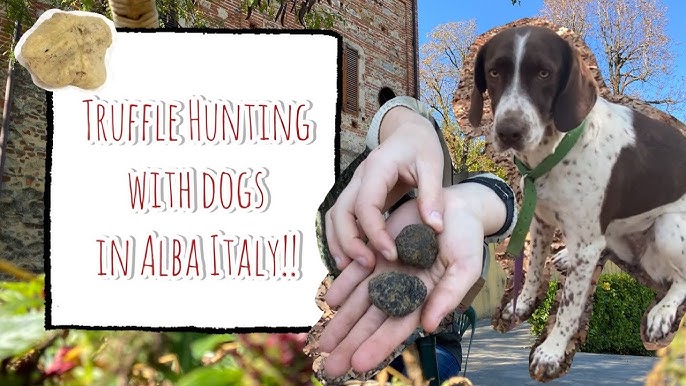
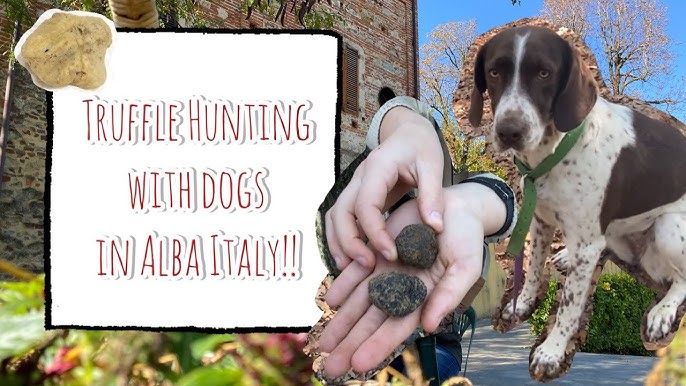
The rolling hills near Alba, Italy, are renowned for their exquisite truffles, particularly the prized white truffle. Truffle hunting is a time-honored tradition, dating back to the Roman Empire. It's an art form that involves a delicate dance between the hunter and their specially trained dog, often a Lagotto Romagnolo.
The process is fascinating. The hunter and dog venture into the woods, the dog sniffing the ground for the distinct aroma of the truffle. When the dog signals a find, the hunter carefully excavates the truffle, ensuring the surrounding soil remains undisturbed. Sustainable harvesting practices are crucial to preserve this delicate ecosystem for future generations. Resources are available to book truffle hunting experiences in Alba with certified truffle hunters who will show you the process. Many local restaurants specialize in truffle dishes, offering a range of culinary delights that showcase the unique flavor of these earthy treasures.
Yak Butter Tea Ceremony in Tibet
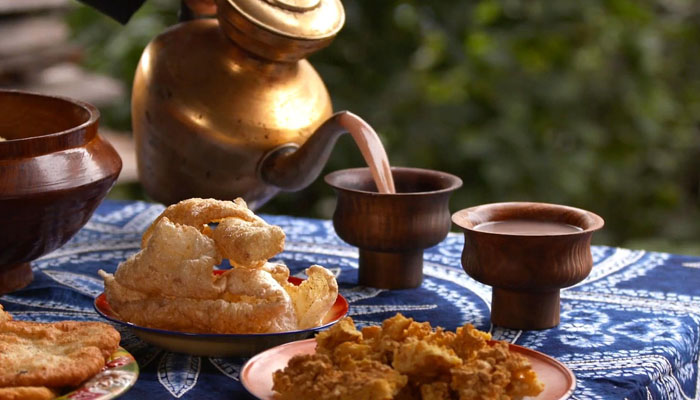
In the remote monasteries and nomadic communities of Tibet, yak butter tea is more than just a beverage; it's a symbol of hospitality, community, and spiritual connection. The ingredients are simple: yak butter, strong black tea, salt, and sometimes milk. The preparation, however, is an art in itself.
The ingredients are combined in a traditional churn, a tall wooden container, and vigorously mixed until a creamy, frothy tea is formed. Sharing yak butter tea is a central part of Tibetan culture. Participating respectfully in these ceremonies involves accepting the tea with both hands and taking at least a few sips before setting the cup down. Many local guesthouses and monasteries offer visitors the opportunity to witness or participate in a tea ceremony. Donations are often appreciated and contribute to the upkeep of these important cultural sites. Consider visiting Drepung or Sera Monastery, two of Tibet's largest and most influential monasteries, which sometimes welcome visitors to witness their rituals.
Ice Fishing and Lohikeitto in Lapland
Venture into the frozen wilderness of Lapland for a unique culinary and cultural experience: ice fishing followed by a traditional Finnish fish stew known as lohikeitto. Ice fishing involves drilling a hole through the thick ice and using a rod and lure to catch fish, typically perch or trout. The techniques vary, but patience and a warm set of clothes are essential.
After a successful fishing trip, the catch is used to prepare lohikeitto. This hearty stew features salmon or other freshwater fish, potatoes, carrots, leeks, and cream. It's a comforting and flavorful dish that perfectly complements the cold, crisp air of Lapland. Respecting the environment and adhering to local fishing regulations are paramount. Choose sustainable fishing tour operators who prioritize conservation and responsible tourism.
Historic Mountain Passes and Trade Routes
Mountain passes have served as vital arteries of trade, migration, and cultural exchange for centuries. Exploring these routes offers a glimpse into the past and a deeper understanding of the interconnectedness of cultures.
The Khyber Pass: A Gateway Through History
The Khyber Pass, a strategic mountain pass connecting Pakistan and Afghanistan, has witnessed countless invasions and migrations throughout history. From Alexander the Great to the British Empire, empires have sought control of this vital passage. Today, the region remains sensitive. Travel restrictions and permits may be required, and it is essential to hire local guides who are familiar with the area and can ensure safe passage. The pass offers a powerful reminder of the enduring impact of geography on human history.
The Silk Road Through the Tian Shan Mountains
The Tian Shan Mountains, stretching across Central Asia, formed a crucial section of the legendary Silk Road. This ancient network of trade routes facilitated the exchange of goods, ideas, and cultures between East and West for centuries. Exploring segments of the Silk Road in this region reveals well-preserved ruins, stunning landscapes, and a rich tapestry of ethnicities. Uyghur, Kyrgyz, and Kazakh cultures thrived along these routes, leaving behind a legacy of unique traditions and culinary delights. Respecting the environment and supporting local communities are essential when exploring this fragile and historically significant region. Responsible tourism guidelines include minimizing waste, conserving water, and supporting local businesses. Consider visiting the ancient city of Kashgar, a major hub along the Silk Road, to experience the cultural diversity of the region.
Remote Mountain Observatories and Astronomical Sites
The clear, dark skies and high altitudes of mountain regions make them ideal locations for astronomical observatories. Visiting these sites offers a chance to witness cutting-edge scientific research and contemplate the vastness of the universe.
Mauna Kea Observatories, Hawaii
Perched atop the summit of Mauna Kea, a dormant volcano on the Big Island of Hawaii, are some of the world's most powerful telescopes. These include the Keck Observatory and the Subaru Telescope, which are used to study everything from distant galaxies to the formation of planets. However, Mauna Kea is also a sacred site to native Hawaiians. Respecting the mountain's cultural significance is paramount. The visitor information station (VIS) provides educational resources and stargazing opportunities. Access to the summit may be restricted to protect the environment and cultural sites.
Atacama Large Millimeter/submillimeter Array (ALMA), Chile
Located in the Atacama Desert of Chile, one of the driest places on Earth, the Atacama Large Millimeter/submillimeter Array (ALMA) is a revolutionary telescope that studies the universe in millimeter and submillimeter wavelengths. The high altitude and arid environment provide exceptional conditions for astronomical observations. Visiting ALMA is possible, but tours are limited and require advance booking. The experience offers a glimpse into the challenges and rewards of conducting scientific research in extreme environments.
Teide Observatory, Tenerife, Spain
The Teide Observatory, located in Teide National Park on the island of Tenerife, Spain, is another world-class astronomical research facility. The observatory houses a variety of telescopes used to study the sun, stars, and other celestial objects. The volcanic landscape of Teide National Park is also a unique attraction, with its diverse flora and fauna. Guided tours of the observatory are available and provide insights into the research being conducted. The park's unique ecosystem is on full display here.

Supporting Indigenous Cultures
Responsible travel in mountain regions includes actively supporting the preservation of indigenous cultures. By choosing locally owned businesses, respecting local customs, and donating to organizations that work to protect indigenous rights, travelers can make a positive impact.
Organizations like The Mountain Institute, which works in the Andes and the Himalayas, and Cultural Survival are dedicated to empowering indigenous communities and preserving their cultural heritage. The United Nations Declaration on the Rights of Indigenous Peoples (UNDRIP) provides a framework for protecting the rights of indigenous peoples worldwide. Please consider donating or volunteering with these organizations.
Responsible Mountain Travel: Tips for a Sustainable Journey
Traveling responsibly in mountain regions requires a commitment to minimizing your impact on the environment and local communities. Here are some practical tips:
- Choose sustainable lodging options, such as guesthouses run by local families.
- Practice minimal-impact camping, leaving no trace behind.
- Reduce waste by bringing your own reusable water bottle, shopping bag, and utensils.
- Conserve water by taking shorter showers and avoiding unnecessary water use.
- Respect local customs and traditions, dressing modestly and asking permission before taking photos.
By embracing these principles, you can transform your mountain adventures into meaningful experiences that benefit both you and the places you visit.
Video Concepts:
Truffle Hunting in the Italian Alps:
- HOOK: A truffle dog SUDDENLY unearths a large white truffle.
- SCENE: Cinematic 4K, golden hour lighting, shot on RED camera, following the dog closely.
- TWIST: The truffle hunter isn't a grizzled old man, but a young woman with brightly colored hair who hugs the dog.
Yak Butter Tea Ceremony in Tibet:
- HOOK: A rapid succession of close-up shots of hands preparing ingredients.
- SCENE: Documentary style, natural lighting, focusing on the faces of the people involved.
- TWIST: After taking a sip, an old monk looks directly at the camera and smiles genuinely, bursting with unexpected laughter.
Ice Fishing in Lapland:
- HOOK: An auger RAPIDLY drills through thick ice, the sound amplified.
- SCENE: Wide shot, cinematic 4K, bright colors, showing the vast, snowy landscape.
- TWIST: Instead of a fish, they pull up a bottle of Coca-Cola.
Khyber Pass:
- HOOK: A lone figure SUDDENLY appears over a ridge.
- SCENE: Drone footage, cinematic 4K, low angle, creating a sense of scale and isolation.
- TWIST: The figure is not a soldier, but a shepherd with a small flock of sheep.
Silk Road (Tian Shan Mountains):
- HOOK: A time-lapse of clouds rapidly shifting over the ancient ruins.
- SCENE: Cinematic 4K, dramatic shadows, shot with a high-speed camera.
- TWIST: The clouds momentarily reveal a perfectly preserved section of the road that has been hidden for centuries.
Mauna Kea Observatories:
- HOOK: The camera orbits around a telescope dish, rapidly accelerating as it points up towards the night sky.
- SCENE: Time-lapse, cinematic 4K, showing the stars rotating, shot with a star tracker.
- TWIST: A shooting star streaks across the sky, but the telescope doesn't even flinch.
ALMA:
- HOOK: A Dutch tilt of the ALMA dishes with a burst of sand blowing across the screen.
- SCENE: Cinematic 4K, wide shot, depth of field.
- TWIST: A hummingbird lands and drinks from the surface of a telescope dish.
Teide Observatory:
- HOOK: Camera rapidly zooms into a solar flare.
- SCENE: Shot on RED, cinematic 4k, golden hour lighting reflecting off the telescopes.
- TWIST: A low angle shot shows that the flares resemble a heartbeat.
Conclusion
Mountain regions are teeming with unique cultural and scientific experiences that extend far beyond traditional adventure tourism. By embracing responsible travel practices and supporting indigenous cultures, you can embark on journeys that are both enriching and sustainable. Step off the beaten path, engage with local communities, and discover the hidden treasures that await in the world's most breathtaking mountain landscapes. Start your adventure today!