Beneath the Waves of War: Discovering Hope in th...
As a marine biologist, I've been fortunate enough to witness the incredible biodiversity of our planet's oceans. However, my recent ten-day trip to the Solomon Islands with VistaLocation.com was unlike anything I've ever experienced. It was a journey that intertwined the somber echoes of World War II with the vibrant resurgence of life on its coral reefs. My focus was on diving the Solomon Islands and contributing to local coral reef conservation efforts. The Solomon Islands offers divers a blend of history and nature unlike anywhere else. From the silent shipwrecks of Iron Bottom Sound, now teeming with marine life, to the pristine coral gardens of Uepi Island, this is a destination that captivates both the heart and the mind. Join me as I share my underwater adventure, where war relics are slowly being reclaimed by the persistent beauty of nature, and where the local communities are working tirelessly to build a sustainable future.
Diving into History: Iron Bottom Sound
My first dive was in the legendary Iron Bottom Sound near Guadalcanal. The name itself is a haunting reminder of the intense naval battles fought here during World War II, resulting in numerous shipwrecks littering the seabed. I was particularly drawn to the Kinugawa Maru, a Japanese transport ship that met its watery grave during the conflict.
Descending to a depth of about 20 meters in the 28-degree Celsius water, I was immediately struck by the contrast between the decaying metal of the wreck and the thriving marine life that now calls it home. The Kinugawa Maru is a testament to nature's power to reclaim and repurpose. Visibility hovered around 20 meters, allowing for a clear view of the ship.
The deck guns, once symbols of destruction, are now encrusted with delicate Acropora coral species, creating a surreal juxtaposition. Schools of barracuda, their silvery bodies glinting in the sunlight, now patrol the wreck, silent sentinels of a bygone era. Swimming through the bridge of the Kinugawa Maru was an unforgettable experience. The decaying metal framed a kaleidoscope of colorful fish and corals. It was a powerful reminder of the passage of time and nature's enduring resilience. The area makes for a truly unique experience diving Solomon Islands wrecks.
Exploring Coral Walls: Uepi Island
Uepi Island offered a completely different diving experience. Here, the focus shifted from history to the sheer abundance and beauty of the coral reefs. Diving along the Uepi Point wall was breathtaking. Strong currents swept along the wall, bringing with them a constant flow of nutrients that support an incredible diversity of life. This provides a truly unique Solomon Islands scuba diving experience.
Soft corals, particularly Sarcophyton species, dominated the landscape, creating a vibrant tapestry of colors and textures. I spent a considerable amount of time searching for pygmy seahorses, tiny masters of camouflage that blend seamlessly with the surrounding coral. These tiny creatures are a reminder of the intricate and delicate balance of the reef ecosystem.
Reef sharks were also abundant in this area, a testament to the health of the reef. Seeing these apex predators in their natural habitat was both exhilarating and reassuring. They play a crucial role in maintaining the balance of the ecosystem, and their presence is a sign that the reef is thriving.
A Hands-On Approach: Coral Conservation with Titiru Eco Lodge
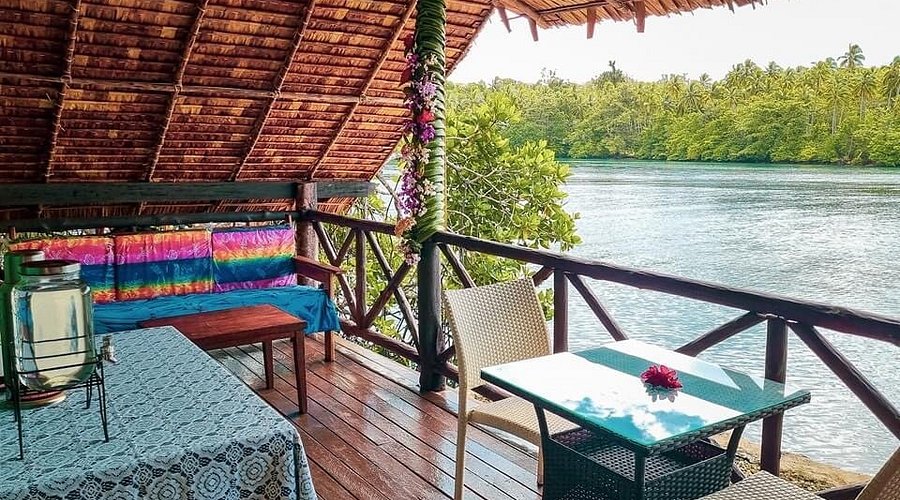
Beyond the thrill of diving, I was eager to contribute to the conservation efforts in the Solomon Islands. I had the opportunity to participate in a coral planting initiative with the Titiru Eco Lodge, focusing on restoring degraded reef areas. The lodge is committed to sustainable tourism and plays an active role in protecting the local environment.
Our efforts centered around planting fragments of Acropora cervicornis, a fast-growing, branching coral species, onto artificial reefs. This species is particularly important for reef restoration because it provides crucial habitat for a wide variety of marine organisms. Acropora cervicornis has faced significant decline in recent years due to disease and climate change, making its restoration a priority.
The process involved several steps. First, we carefully collected small fragments of healthy Acropora cervicornis from a donor colony. These fragments were then attached to small concrete blocks using specialized epoxy. The blocks were then placed onto pre-constructed artificial reef structures, providing a stable base for the coral to grow.
The local community is deeply involved in these conservation efforts. They understand the importance of healthy reefs for their livelihoods and are committed to protecting this valuable resource. These coral reef conservation Solomon Islands efforts are vital.
Cultural Immersion: Traditional Fishing Practices near Gizo Island
No trip to the Solomon Islands would be complete without immersing myself in the local culture. I visited a village near Gizo Island and had the privilege of speaking with Chief Kuku about traditional fishing practices.
"How has the use of dynamite fishing changed in recent years?" I asked.
Chief Kuku replied, "Dynamite fishing was a destructive problem in the past, but awareness and enforcement have greatly reduced its occurrence. However, it remains a threat due to the ease with which it can be carried out and the immediate catch it provides, despite the long-term damage."
Next, I asked "What traditional methods are most effective for sustainable fishing?"
"Traditional methods like hand-line fishing, spearfishing, and the use of woven traps are very effective," he explained. "These methods allow us to selectively target fish and minimize damage to the reef environment. They are passed down through generations, teaching us to respect and preserve our resources."
Finally, I inquired, "What are the main challenges to maintaining sustainable fishing practices in the region today?"
Chief Kuku sighed, "The biggest challenges are the increasing population, which puts more pressure on our resources, and the influence of outside markets that demand larger catches. Educating the younger generation about the importance of sustainable practices is crucial."
The villagers are actively working towards more sustainable methods, combining traditional knowledge with modern conservation techniques. They are implementing marine protected areas, promoting responsible fishing practices, and working to raise awareness about the importance of protecting their reefs.
A Taste of Paradise: Culinary Delights
The food in the Solomon Islands was as diverse and fascinating as the marine life I encountered. Two culinary experiences stood out in particular.
First, I had the opportunity to try motu, a traditional steamed pudding, prepared by a local family in Honiara. The motu had a slightly sweet taste, a soft, spongy texture, and a subtle aroma of banana leaves. Unlike other steamed puddings I've tried, motu had a unique lightness and a delicate flavor that was both comforting and exotic.
The second culinary highlight was eating fresh grilled parrotfish, caught using traditional hand-line fishing techniques. The parrotfish had a slightly sweet and firm taste, a flaky texture, and a delightful smokiness from the grill. Knowing that the fish was sourced sustainably made the experience even more enjoyable. This method helps preserve the reef ecosystem by minimizing the impact on non-target species and habitats.
A Land of Contrasts: Terrestrial and Underwater Beauty
The Solomon Islands offer a stunning contrast between their terrestrial and underwater landscapes. Lush rainforests cascade down volcanic peaks, creating a dramatic backdrop to the turquoise waters that surround the islands. This natural beauty extends beneath the waves, where vibrant coral gardens flourish alongside the rusting remains of wartime vessels.
Witnessing this unique combination of history and nature evoked a sense of awe and respect. It was a powerful reminder of the resilience of nature and the enduring impact of human conflict. The Solomon Islands are a place where the past and present intertwine, creating a landscape that is both beautiful and poignant.
A Call to Action: Protecting Paradise
My trip to the Solomon Islands was a transformative experience. It reinforced my commitment to marine conservation and inspired me to share the beauty and fragility of this unique ecosystem with the world. The Solomon Islands diving experience is unlike anything else.
I urge you to consider visiting the Solomon Islands and experiencing its wonders for yourself. Support local communities that are working to protect their environment and choose sustainable tourism options. By traveling responsibly, you can help ensure that future generations will have the opportunity to discover the magic of this remarkable destination.
Ready to explore the Solomon Islands? Book your adventure with VistaLocation.com today!