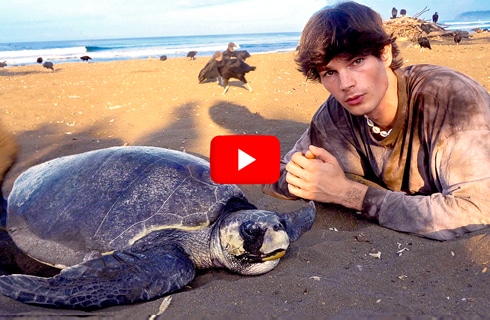
Beaches with a Purpose: Voluntourism Destination...
Gen Z isn't just about snapping the perfect Instagram photo; you're about making a real impact on the world. Forget just lounging on the sand – you want to travel with a purpose. That's where voluntourism comes in. It’s a chance to combine your love for travel with your passion for environmental sustainability and social responsibility. We've scouted three unique "beaches with a purpose" where you can witness incredible natural spectacles, contribute to vital conservation efforts, and leave a positive footprint. These ethical beach travel destinations offer sustainable beach volunteering for students to create Gen Z voluntourism beach trips. Get ready to pack your bags and make a difference!
Witnessing Nature's Spectacle and Protecting Sea Turtles at Playa Ostional, Costa Rica
Imagine witnessing the arribada, a breathtaking mass nesting of Olive Ridley sea turtles. Playa Ostional in Costa Rica is one of the few places in the world where you can witness this incredible event. But it’s not just about watching; it’s about actively participating in protecting these amazing creatures. The responsible beach volunteering opportunity lies with PRETOMA (Programa Restauración de Tortugas Marinas), an organization dedicated to sea turtle conservation. The Gen Z voluntourism beach trips are waiting!
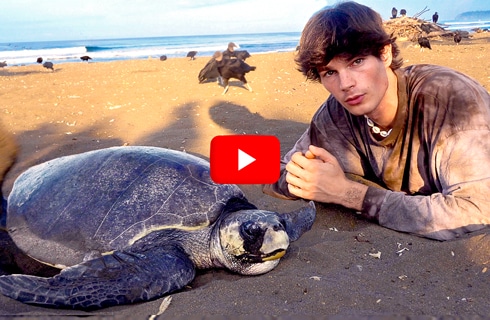
PRETOMA works tirelessly to monitor nests, relocate eggs to safer hatcheries, and ensure the safe passage of baby turtles to the ocean. These tiny creatures face numerous threats, and your help can be a game-changer. As a volunteer, you’ll learn about sea turtle biology, conservation challenges, and the importance of responsible tourism. Remember to minimize your disturbance to the turtles by following responsible tourism guidelines.
Call to Action: Join PRETOMA in their vital work! Visit pretoma.org/volunteer to learn how you can make a difference. This affordable voluntourism beach trip will be one to remember.
Responsible Tourism Guidelines
When participating in sea turtle conservation efforts, it's important to keep in mind a few simple rules:
- Always maintain a respectful distance from nesting turtles and hatchlings.
- Avoid using flash photography, as it can disorient the turtles.
- Follow the instructions of the PRETOMA staff and local guides.
- Leave no trace behind – pack out everything you pack in.
Coral Reef Restoration and Community-Based Tourism in Dhigurah, Maldives
Forget the luxury resort stereotype. Dhigurah, Maldives, offers a completely different perspective: a model for community-based tourism and marine conservation. This isn't about overwater bungalows; it's about connecting with the local community and helping to protect the incredibly diverse marine ecosystems. There are social impact beach vacations that can change your view on life.
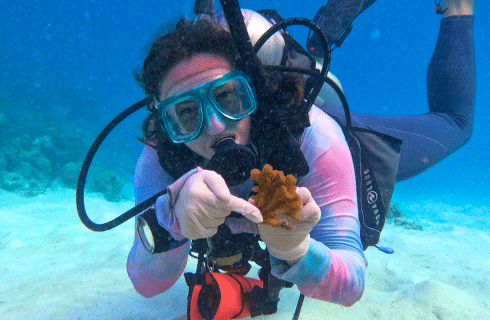
The Maldives Whale Shark Research Programme (MWSRP) offers volunteering opportunities to participate in coral reef restoration projects, marine debris clean-ups, and whale shark research. By assisting MWSRP, you're not only contributing to the health of the ocean but also supporting the local economy through sustainable tourism.
The economic benefits of sustainable tourism for the local community are significant. By choosing locally-owned guesthouses, eating at local restaurants, and participating in community-based activities, you're directly supporting the residents of Dhigurah and helping to ensure that they benefit from tourism. This ensures that tourism benefits the people, not just the large resorts. There are many benefits of ethical beach travel, and you will see it first hand in Dhigurah.
Call to Action: Volunteer with MWSRP to help protect the Maldives' precious marine ecosystems! Find out more at maldiveswhalesharkresearch.org/volunteer.
Understanding the Importance of Coral Reefs
Coral reefs are vital ecosystems that support a vast array of marine life. They provide food, shelter, and breeding grounds for countless species. They also protect coastlines from erosion and storm surge. Unfortunately, coral reefs are under threat from climate change, pollution, and unsustainable fishing practices. Coral restoration projects can help to revitalize damaged reefs and ensure their survival for future generations.
Turning the Tide on Plastic Pollution at Kamilo Beach, Hawaii ("Trash Beach")
Kamilo Beach, also known as "Trash Beach," isn't the postcard-perfect Hawaiian paradise you might expect. Instead, it's a stark reminder of the global plastic pollution crisis. Located on the southeastern tip of the Big Island, Kamilo Beach acts as a natural catch basin, accumulating tons of plastic debris carried by ocean currents. This is where sustainable beach volunteering for students can do some good.
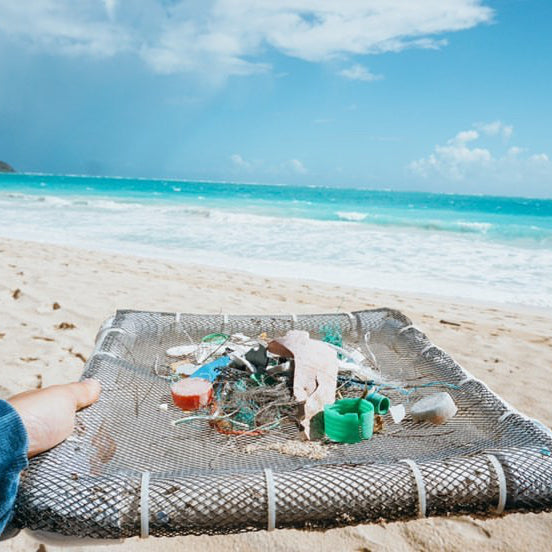
While the sight of so much plastic can be overwhelming, it also presents an opportunity to make a difference. The Hawaii Wildlife Fund organizes regular beach cleanups at Kamilo Beach, and you can join their efforts to turn the tide on plastic pollution. By participating, you'll not only be removing harmful debris from the environment but also contributing to scientific research on the sources and impacts of plastic pollution. This is what ethical beach travel is all about.
By collecting and sorting debris, you'll be helping researchers understand the types of plastic that are most prevalent, where they're coming from, and how they're impacting marine life. This information is crucial for developing effective strategies to reduce plastic pollution at its source.
Call to Action: Join the Hawaii Wildlife Fund's regular beach cleanups at Kamilo Beach! Learn more and sign up at wildhawaii.org/kamilo-beach-cleanup.
The Impact of Plastic Pollution on Marine Life
Plastic pollution poses a serious threat to marine life. Animals can become entangled in plastic debris, leading to injury or death. They can also ingest plastic, which can cause internal blockages, starvation, and the release of harmful chemicals. Plastic pollution also damages habitats and disrupts ecosystems. By participating in beach cleanups, you're helping to protect marine life from these devastating impacts.
Voluntourism offers a powerful way to combine your passion for travel with your commitment to environmental sustainability and social impact. These three destinations offer unique opportunities to connect with nature, contribute to conservation efforts, and support local communities. So, pack your bags, gather your friends, and get ready to make a difference on your next adventure. It’s about taking responsible beach volunteering into your own hands.
Share your own experiences and tips for responsible travel in the comments below! What are your favorite "beaches with a purpose" destinations?