Beaches with a Purpose: Unwind and Contribute to...
Imagine relaxing on a pristine beach, the sound of the waves washing away your worries, while simultaneously contributing to the health of our oceans. This dream is a reality through citizen science, where everyday travelers can participate in valuable marine conservation efforts. Eco-tourism is on the rise, and responsible travel is no longer just a trend; it's a necessity. By combining your vacation with citizen science, you can leave a positive impact, learn about marine ecosystems, and create unforgettable memories. Are you ready to dive in?
Participate in Monk Seal Citizen Science: Protecting Hawai'i's Endangered Treasures in Papahānaumokuākea
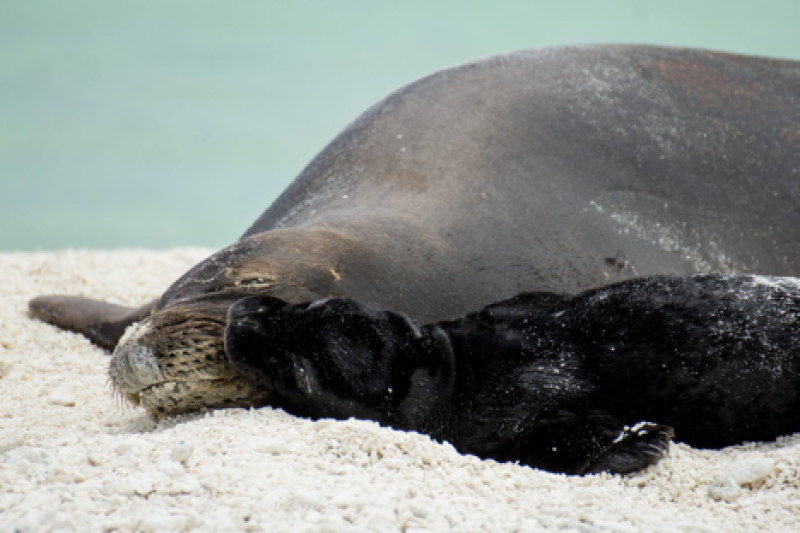
The Papahānaumokuākea Marine National Monument, a UNESCO World Heritage Site, is a remote and ecologically significant archipelago stretching across the Northwestern Hawaiian Islands. This protected area teems with unique marine life, including the endangered Hawaiian Monk Seal, one of the most imperiled marine mammals in the world. These seals face numerous threats, including habitat loss, entanglement in fishing gear, and food scarcity. Protecting them requires dedicated conservation efforts, and citizen scientists can play a vital role.
Citizen Science Activity: You can ethically observe monk seal monitoring projects or, in some cases, volunteer. While direct public access to the monument is limited, it is possible to learn from and potentially observe experienced researchers working with NOAA's Hawaiian Monk Seal Research Program. This could involve learning techniques for photo-documentation using telephoto lenses, collecting behavioral data, and identifying individual seals based on unique markings.
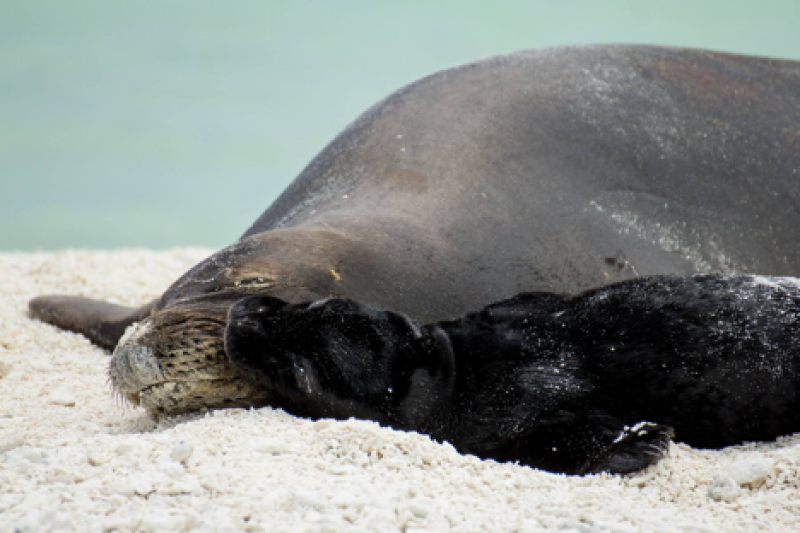
Ethical Considerations: If you are fortunate enough to observe monk seals, ethical viewing is paramount. Always maintain a safe distance of at least 50 feet (15 meters). Avoid any behavior that could disturb the seals, such as making loud noises or approaching them directly. Never, under any circumstances, approach a pup, as this could cause the mother to abandon it. Remember that Hawaiian Monk Seals are protected under the Endangered Species Act and the Marine Mammal Protection Act, and harassing them is illegal. It is extremely important that you keep your distance and do not feed the animals.
Relaxation Aspect: While access may be limited, the remoteness and tranquility of the accessible areas near Papahānaumokuākea provide an unparalleled experience. Imagine contributing to conservation in one of the most pristine environments on Earth, knowing your efforts are helping to protect these endangered creatures.
Coral Watch Citizen Science: Help Monitor Ningaloo Reef's Health, One Coral at a Time
Ningaloo Reef, a UNESCO World Heritage Area in Western Australia, is a vibrant underwater paradise renowned for its incredible biodiversity. However, this fragile ecosystem faces a significant threat: coral bleaching. Coral bleaching occurs when corals are stressed by factors such as rising ocean temperatures, causing them to expel the algae (zooxanthellae) that live in their tissues and give them color and energy. Prolonged bleaching can lead to coral starvation and death, devastating the reef ecosystem. Sustainable marine tourism initiatives are very important for conservation efforts.
Citizen Science Activity: Coral Watch is a citizen science program that allows you to actively participate in monitoring the health of Ningaloo Reef. The activity involves underwater visual surveys to assess coral health, focusing on color identification using Coral Watch's Coral Health Chart. This simple yet effective method allows you to track changes in coral color, indicating levels of bleaching stress.
You can participate by attending Coral Watch workshops and training sessions, where you'll learn how to use the Coral Health Chart, identify different coral species, and practice safe snorkeling or diving techniques. Safe practices and responsible beach travel are important to keep the reef in good condition. Always follow reef etiquette: avoid touching the coral, use reef-safe sunscreen, and be mindful of your fins.
Data Collection: The process involves recording your observations using the Coral Watch Health Chart underwater and then submitting your data online Coral Watch website. Accurate color identification is crucial, as this data is used by scientists to track coral bleaching events, assess the overall health of the reef, and inform conservation strategies.
Conservation Efforts: The Ningaloo Coast World Heritage Area Management Plan guides the protection and management of the reef [Ningaloo Coast World Heritage Area Management Plan]. Local initiatives also play a vital role in preserving this precious ecosystem.
Relaxation Aspect: Imagine swimming in the clear turquoise waters of Ningaloo Reef, surrounded by vibrant marine life, and knowing that you are contributing to its protection. The beauty of the underwater world, combined with the satisfaction of making a tangible difference, creates a truly unforgettable experience.
Microplastic Citizen Science on Samil Beach: Join the Fight Against Pollution in Vigo
Samil Beach, located in Vigo, Spain, is a popular destination known for its beautiful coastline. However, like many beaches around the world, it faces a growing threat: plastic pollution, particularly microplastics. These tiny plastic particles, less than 5 millimeters in size, come from a variety of sources, including the breakdown of larger plastic debris, microbeads in personal care products, and the shedding of synthetic fibers from clothing. Microplastics pose a significant risk to marine life, as they can be ingested by animals, potentially leading to bioaccumulation of toxins and other harmful effects. They also pose a potential threat to human health. Marine debris data collection volunteer vacations are an important step for conservation.
Citizen Science Activity: You can participate in a beach cleanup on Samil Beach and contribute to a microplastic analysis study following local guidelines. While specific partnerships may vary, you can often connect with local environmental organizations or the University of Vigo's marine science department to learn about ongoing research projects.
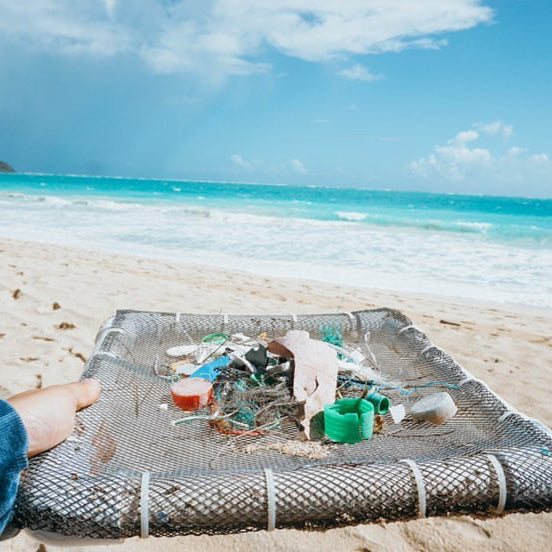
Here's how you can get involved: First, participate in a beach cleanup to remove larger plastic debris. Then, following local guidelines, collect sand samples from designated areas on the beach. Using sieves of different sizes, separate the microplastics from the sand. Carefully examine the collected microplastics using magnifying glasses, documenting your findings with photos and videos. Consider partnering with the local Surfrider Foundation chapter (check Surfrider Europe's website for chapter information) [Surfrider Europe website]. Required equipment typically includes sieves, magnifying glasses, containers, gloves, and eye protection. Always wear gloves and eye protection to avoid contact with potentially contaminated materials.
Data Analysis: The process of sorting and identifying different types of microplastics is crucial. You'll likely encounter fragments, fibers, and beads. Researching potential sources of the plastic pollution you find can provide valuable insights into the problem.
Local Initiatives: Vigo is actively working to reduce plastic use and encourage responsible waste disposal. Many local businesses and organizations are promoting sustainable practices, and the local government is implementing policies to address plastic pollution.
Relaxation Aspect: Samil Beach offers stunning views of the coastline and a vibrant cultural scene in Vigo. Participating in microplastic citizen science allows you to connect with the community, make a tangible difference in protecting the environment, and enjoy the beauty of the beach with a newfound appreciation.
Conclusion:
Participating in citizen science during your travels offers a unique opportunity to combine relaxation with purpose. It allows you to contribute to meaningful research, learn about marine ecosystems, and make a positive impact on the planet. Responsible tourism is about more than just seeing the world; it's about protecting it. By seeking out citizen science opportunities on your travels, you can become an active participant in conservation efforts and leave a lasting legacy. Visit the listed websites to learn more and get involved. Join the movement for marine conservation volunteer vacations, make your next beach vacation one with impact!