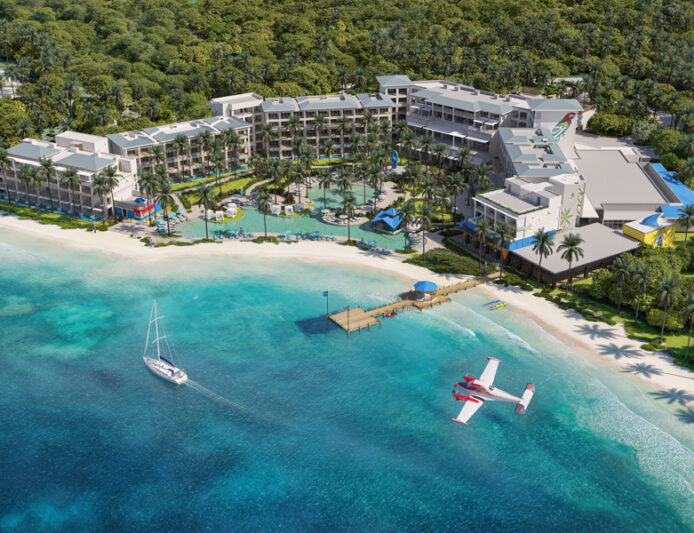
Beaches Reborn: From Industrial Wasteland to Thr...
The story of our planet is often told through tales of degradation, but there's another narrative emerging: one of ecological restoration and the remarkable power of human intervention. All over the world, sites once scarred by industrial activity and pollution are being transformed into thriving ecological spaces, demonstrating that healing is possible. These renewed environments offer not only a sanctuary for wildlife but also exciting opportunities for sustainable tourism and citizen science. Join us as we explore three unique beaches – Gas Works Park Beach, Homebush Bay, and Palos Verdes Peninsula – that have risen from the ashes of industry to become beacons of hope for environmental recovery. This post will delve into the amazing transformations that occurred to make these spaces useable again, utilizing innovative approaches like bioremediation, kelp forest restoration, and mangrove conservation. Prepare to be inspired by these stories of resilience and discover how you can contribute to a healthier planet through sustainable travel and active participation in environmental initiatives.
Gas Works Park Beach, Seattle, Washington
From 1906 to 1956, the site of Gas Works Park in Seattle, Washington, was home to a coal gasification plant, a significant source of energy for the city. However, this industrial activity left behind a legacy of heavily polluted soil and water. What seemed like an irreparable scar on the landscape has been transformed into a beloved public park, complete with a beach that offers stunning views of the Seattle skyline. The transformation of Gas Works Park is a testament to the power of innovative ecological restoration techniques.
Remediation and Transformation
The remediation of Gas Works Park was a complex undertaking, employing techniques such as bioremediation and phytoremediation. Bioremediation involves using microorganisms to break down pollutants, while phytoremediation uses plants to absorb contaminants from the soil. This combination of approaches helped to reduce the levels of toxins in the soil, making it safe for public use. The iconic structures of the former gas plant were preserved as a reminder of the site's history, creating a unique blend of industrial heritage and natural beauty.
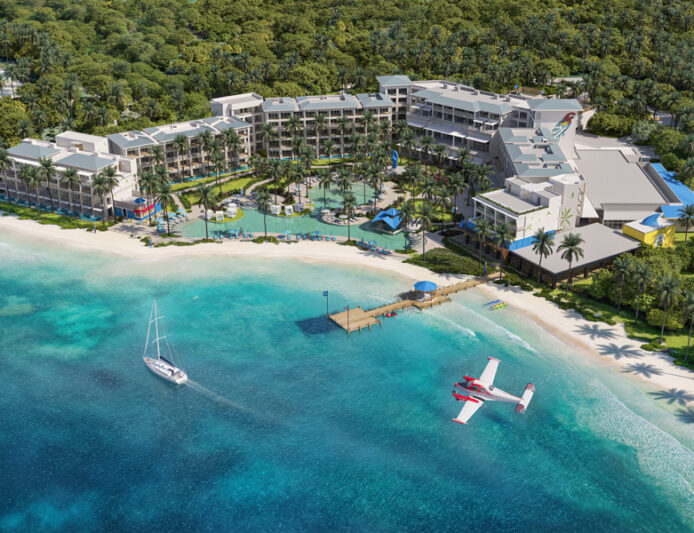
Today, the community embraces Gas Works Park as a space for recreation, events, and connection with nature. Visitors can fly kites on Kite Hill, enjoy picnics on the lawn, or simply relax on the beach and take in the scenery. The park hosts numerous events throughout the year, from concerts to festivals, making it a vibrant hub of community life. But can you swim at Gas Works Park beach? Swimming is allowed in designated areas during the summer months when water quality meets safety standards.
Citizen Science Opportunity
The transformation of Gas Works Park provides an excellent opportunity for citizen science. Seattle Parks and Recreation offers a Bioblitz program, encouraging community members to document the return of native plant and animal species to the park. By participating in the Bioblitz, you can contribute valuable data to help monitor the health of the park's ecosystem. To get involved, check the Seattle Parks and Recreation website for upcoming Bioblitz events and other local environmental initiatives.
Call to Action: Participate in the Seattle Parks and Recreation’s Bioblitz program and help document the resurgence of nature at Gas Works Park.
Where to Stay: Consider lodging at The Maxwell Hotel, a Provenance Hotel known for its commitment to sustainability and local partnerships. The Maxwell Hotel
Homebush Bay (Shipwreck Beach), Sydney, Australia
Homebush Bay, also known as "Shipwreck Beach," in Sydney, Australia, tells a different yet equally compelling story of environmental resilience. Once a dumping ground for industrial waste and decommissioned ships, this area has defied expectations by evolving into a thriving mangrove ecosystem. The location, near Sydney Olympic Park, provides a unique blend of human-made structures and natural habitats.
Nature's Resilience
The abandoned ships in Homebush Bay have become artificial reefs, providing habitat for a diverse array of marine life. These rusting hulks, now adorned with barnacles and seaweed, create a surreal landscape that is both haunting and beautiful. The mangrove conservation efforts in the area have further enhanced the ecological value of Homebush Bay, creating a vital nursery for fish and other aquatic species. The resilience of nature is on full display here, demonstrating its ability to adapt and thrive even in the face of significant environmental challenges. Eco-tours near Sydney Olympic Park Homebush Bay are readily available for exploration.
Citizen Science Opportunity
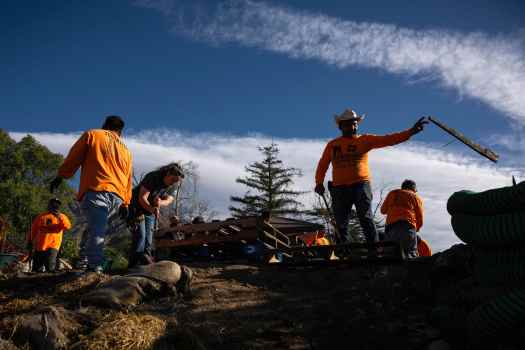
Citizen science plays a vital role in monitoring the health of the Homebush Bay ecosystem. Birdlife Australia's Birdata platform allows volunteers to record and share their observations of bird species in the area. By photographing and identifying the different birds that inhabit the mangroves and surrounding wetlands, you can contribute valuable data to the Birdata database, helping scientists track bird populations and understand the impacts of environmental change.
Call to Action: Contribute your bird sightings to Birdlife Australia's Birdata platform and help monitor the biodiversity of Homebush Bay.
Where to Stay: For accommodation, consider the PARKROYAL Parramatta, certified by EarthCheck for its sustainability practices. PARKROYAL Parramatta
Palos Verdes Peninsula, California (Abalone Cove Shoreline Park)
The Palos Verdes Peninsula in California, focusing on Abalone Cove Shoreline Park, presents a story of ongoing recovery and conservation. Historically impacted by sewage discharge, this area has undergone significant improvements in water quality and ecosystem health thanks to dedicated restoration efforts. Palos Verdes Peninsula offers many activities, some of the best being family-friendly beach activities.
Kelp Forest Restoration and Abalone Protection
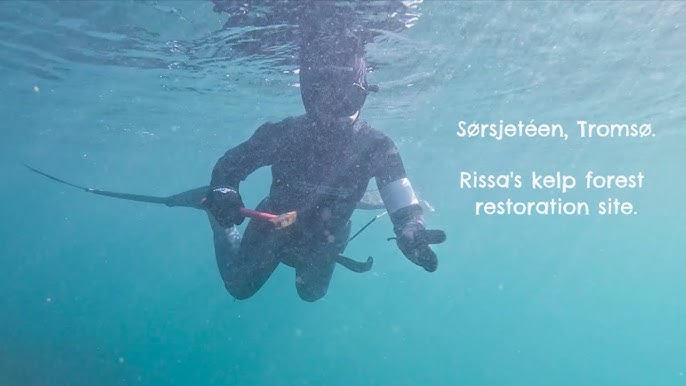
A key focus of conservation efforts in Palos Verdes is the restoration of kelp forests. These underwater forests provide critical habitat for a wide range of marine species, including the endangered abalone. Efforts to improve water quality and reduce pollution have allowed kelp forests to begin to recover, creating a healthier and more vibrant marine ecosystem. Protecting the abalone population is another priority, with ongoing monitoring and conservation programs aimed at ensuring the survival of this iconic species. The best time to see the wildflowers Palos Verdes Peninsula bloom is usually in the spring.
Citizen Science Opportunity
The Los Angeles Waterkeeper offers several citizen science opportunities to get involved in the conservation of the Palos Verdes Peninsula. You can participate in kelp forest monitoring dives, helping to assess the health and extent of these vital habitats. Shoreline surveys are another way to contribute, allowing you to document the presence of different marine species and identify potential threats to the ecosystem. These programs provide a hands-on way to make a difference and learn about the importance of marine conservation. You can volunteer beach cleanup Palos Verdes Peninsula by searching online for scheduled events.
Call to Action: Volunteer for kelp forest monitoring dives or shoreline surveys with the Los Angeles Waterkeeper. Learn how to get involved on their website.
Where to Stay: Terranea Resort, known for its oceanfront location and commitment to marine conservation, including partnerships with local environmental groups, is a great place to stay when visiting. Terranea Resort
The Power of Restoration
These three stories demonstrate that environmental restoration is not only possible but also essential for creating a sustainable future. By embracing innovative techniques, engaging communities, and promoting citizen science, we can transform damaged environments into thriving ecosystems. Industrial wasteland beach transformations are a testament to what can be done with the right methods and people. As travelers, we have a responsibility to support these efforts by choosing sustainable tourism options and making conscious decisions that minimize our environmental impact.
Final Call to Action: Support environmental organizations like Los Angeles Waterkeeper, Birdlife Australia, and Seattle Parks and Recreation. Participate in local restoration projects and make sustainable travel choices. Visit vistalocation.com for more information on sustainable travel destinations and eco-tourism opportunities.