Beaches as Art Studios: Where Nature Paints Coas...
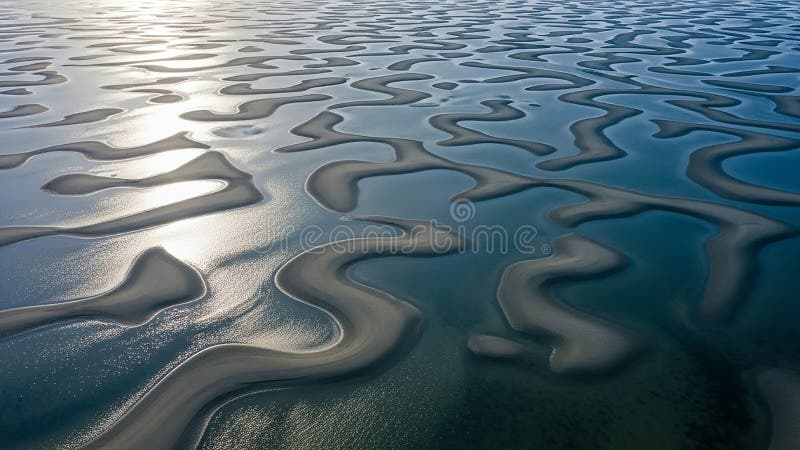
Beaches aren't just places for sunbathing and swimming; they're dynamic canvases where nature continuously creates breathtaking works of art. Wind, water, and geological processes sculpt the landscape, forming unique visual experiences that change with every tide. From the reflections mirrored in wet sand to the colorful hues of algae-rich lakes and the ancient sculptures of coastal boulders, the world's beaches are truly nature's art studios. Join us as we explore some of the most inspiring coastal locations, each a testament to the power and beauty of natural artistry. "The beach is my studio, the tide is my brush, and the sun is my light," – Ansel Adams.
Ephemeral Masterpieces: Capturing the Sand Paintings of Cannon Beach
Cannon Beach, Oregon, USA, is renowned for its dramatic Haystack Rock and the artistic patterns the receding tide etches into the wet sand. The reflections of Haystack Rock and the sky create stunning, mirror-like images. The waves leave intricate patterns with colors ranging from deep grays to pale yellows, depending on the sediment composition, and textures transitioning from smooth mirrors to rippled surfaces. The twice-daily tidal changes and ongoing erosion of the coastline, originating from the Columbia River Basalt Group, contribute to this constantly changing artwork.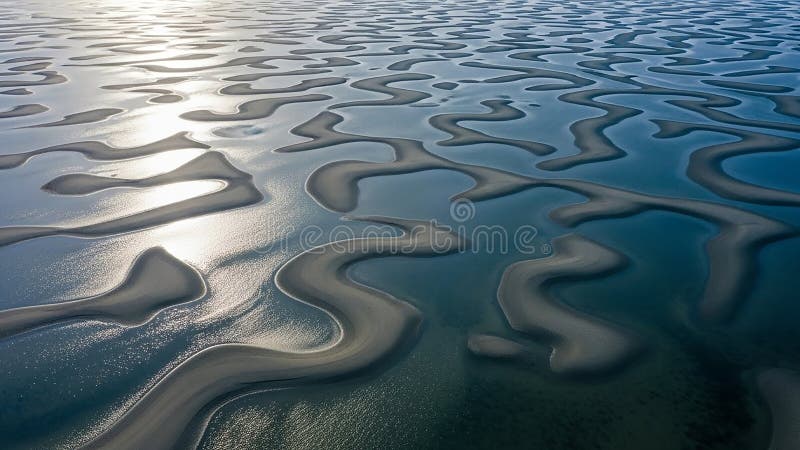
Photography Tips for Cannon Beach
Capture the magic of Cannon Beach by visiting during the golden hour, just after sunrise and before sunset, for the optimal warm light. Use a polarizing filter, like those from Hoya or B+W, to reduce glare and enhance the colors. Experiment with long-exposure techniques using a neutral density filter, such as a 6-stop ND filter, to capture the silky movement of the water. Consider using a sturdy tripod from Manfrotto for sharp, stable shots.
Geological Context of Cannon Beach
The dramatic rock formations, including the iconic Haystack Rock, are remnants of the Columbia River Basalt Group, formed by volcanic activity millions of years ago. The constant wave action and tidal shifts continue to sculpt the coastline, creating new patterns and revealing different layers of sediment, adding to the ever-changing artistic landscape.
Capture the Beauty of the Oregon Coast
Book a photography workshop with Oregon Coast Photography Tours to learn advanced techniques for capturing the beauty of Cannon Beach’s sand art. Their "Sunrise Sandscape" workshop is highly recommended.
'"The way the light dances on the wet sand at Cannon Beach is simply magical. It's a photographer's dream," says landscape photographer, Sarah Miller, known for her series "Coastal Reflections".'
The Artist's Palette: Lake Retba's Pink Symphony
Lake Retba (Lac Rose) in Senegal offers a different kind of beach art – a vibrant pink hue caused by the Dunaliella salina algae. This natural phenomenon is a stunning visual experience, creating a stark contrast between the pink water and the white salt piles along the shore. The intensity of the pink hue varies depending on the time of day and sunlight angle. The lake's high salt concentration, nearly 40% in some areas, creates a unique environment where only salt-tolerant organisms can thrive, contributing to its distinctive aesthetic.
Artistic Appeal of Lake Retba
The pink color is a result of the Dunaliella salina algae producing carotenoids to protect themselves from the sun’s UV radiation. The artistic appeal lies in the surreal and vibrant color, creating a landscape that seems almost otherworldly. The visual contrast between the pink water and the stark white salt piles accumulated along the shore is striking.
Photography Tips for Lake Retba
Visit during the dry season (November to June) when the pink color is most intense. Capture the reflections of the sky in the water, especially during the late afternoon. Consider using a drone, such as a DJI Mavic, for aerial shots showcasing the scale and patterns of the pink lake.
Lake Retba's Unique Geology
The lake's high salt concentration creates a unique environment where Dunaliella salina thrives. The lake's ecosystem is specialized, which contributes to its unique aesthetic, and makes this place an artistic wonder.
Explore Lake Retba with a Local Guide
Take a guided boat tour with "Lac Rose Eco Tours" (search on TripAdvisor) to see the pink color up close, learn about the salt harvesting process, and support the local economy. The salt harvesting is a significant part of the local culture.
'"Lake Retba is an inspiration to local artists; our landscape is surreal and colorful, like living in a dream," says local guide, Amadou Diop, who runs eco-tours in the area.'
Sculpted by Time: The Natural Art of the Moeraki Boulders
The Moeraki Boulders on Koekohe Beach, New Zealand, are spherical stones that resemble natural sculptures. These concretions formed over millions of years, adding a unique geological feature to the landscape. The smooth, rounded shapes of the boulders, some over two meters in diameter, are adorned with intricate cracks and patterns (septa) created by calcite deposition. The contrast between the dark gray boulders and the lighter colored sand makes them stand out.
Artistic Features of the Moeraki Boulders
The boulders' smooth, rounded shapes and intricate cracks create unique textures and patterns. The contrast between the dark gray stones and the light sand is striking. Some boulders have smooth, weathered surfaces, while others have jagged, newly exposed sections, providing different visual elements for artistic appreciation.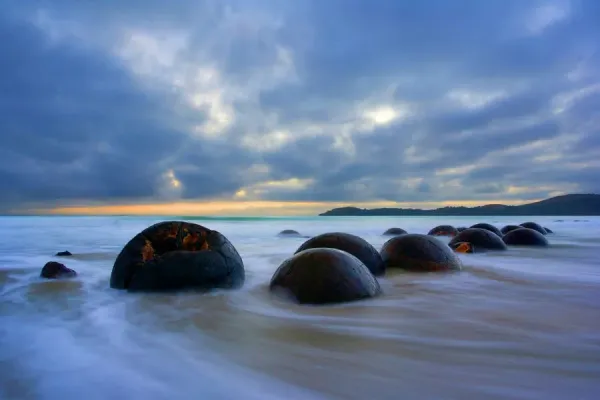
Photography Tips for the Moeraki Boulders
Visit at low tide to capture the boulders in their entirety. Use a wide-angle lens, such as a Sigma 14mm f/1.8, to capture the scale of the landscape and the arrangement of the boulders. Use the boulders as foreground elements to create depth in the images.
Geological Context of the Moeraki Boulders
These concretions formed during the Paleocene epoch, with mud, clay, and calcite gradually accumulating around a core over millions of years. This unique geological process resulted in the spherical shapes and intricate patterns we see today.
Explore the Moeraki Boulders with a Guide
Join a guided tour with Moeraki Boulders Scenic Tours to learn about the Māori legends and the detailed geology of the boulders. You can also participate in a stargazing tour on the beach at night.
'"Moeraki Boulders are a work of art created by 60 million years of nature, an inspiration to witness, and a testament to the power of geological processes," says Dr. Alistair Hutton, a geologist specializing in sedimentary formations at Otago University.'
Beaches as Art Studios: Unleash Your Creativity
Visiting these beaches can inspire creativity and a deeper appreciation for the natural world. Bring a Moleskine sketchbook and Winsor & Newton watercolor set and try sketching or painting the landscapes, capturing the colors and forms that inspire you. You could also write haiku or free verse poetry inspired by the beach landscapes. Look for artistic beach cleanups in the area to give back to the environment. Consider coastal art galleries that display art inspired by beaches.
Responsible Tourism: Preserving Coastal Art
Preserving the artistic integrity of these beaches is crucial. Please follow these guidelines:
- Leave No Trace: Avoid disturbing the natural formations or altering the landscape. Do not climb on the boulders at Moeraki.
- Respect Local Regulations: Follow any rules or guidelines set by park authorities regarding access and preservation.
- Take Only Pictures: Capture the beauty of the beaches without removing any natural materials, such as sand or small rocks.
Unforgettable Beach Art Awaits
Beaches are truly nature's art studios, offering endless inspiration and beauty. Explore these locations with a heightened sense of artistic appreciation, and plan your own "beach art" adventure with VistaLocation. Share your artistic creations on social media using the hashtags #VistaLocationArtBeaches and #CoastalCanvas, and tag the specific locations and artists, such as @OregonCoastPhotographyTours and @LakeRoseEcoTours.