Beachcombing Beyond the Sand: Unearthing Hidden...
I've been to beaches all over the world, but it's the hunt for something unique, something ancient, that truly captivates me. Beachcombing isn't just a walk on the beach; it's a connection to the earth's history, a chance to find a piece of the past washed ashore by the tides. It's the anticipation, the quiet thrill of spotting something unusual, that keeps me coming back for more. Beachcombing is a unique way to connect with natural history and uncover unique beachcombing locations. Forget sunbathing; let's go treasure hunting!
Northumberland's Sea Coal Secrets: Unearthing 'Sea Gems' on Druridge Bay
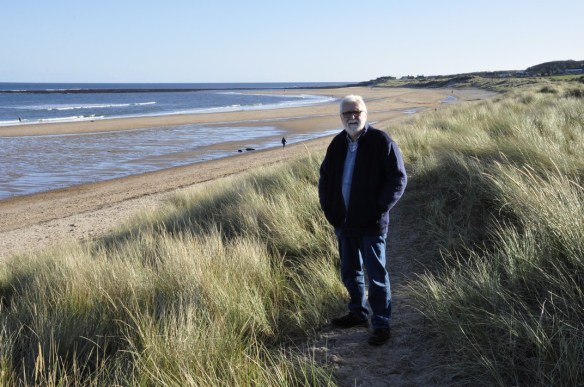
Druridge Bay, a vast and windswept stretch of Northumberland coastline in the UK, offers a different kind of beachcombing experience. Unlike tropical paradises, its beauty lies in its raw, untamed nature. Here, the thrill comes from uncovering "sea gems" amongst the sand and crashing waves. Forget seashells; Druridge Bay serves up sea coal and sea glass.
Treasures of Druridge Bay
The treasures of Druridge Bay are truly unique. You'll discover pieces of anthracite coal, known as sea coal, washed ashore from ancient, submerged forests. These fragments range in size from small pebbles to fist-sized chunks, often black and shiny from years of tumbling in the waves. Alongside the sea coal, you'll find colorful pieces of sea glass, remnants of the region's industrial past, often referred to as "sea gems".
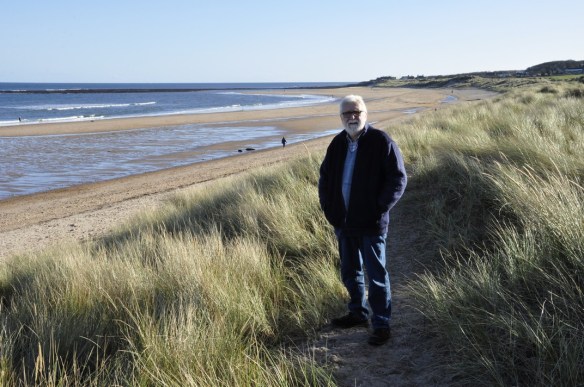
The sea glass comes in a variety of colors, primarily green, brown, and white, and varies in smoothness depending on how long it's been at sea. The colder winter months, with their harsher weather and stronger tides, are often the most productive times for beachcombing along Druridge Bay.
You can also find a variety of seashells if you are lucky!
Geological and Historical Context
The sea coal's origins are fascinating, originating from submerged forests dating back to the Carboniferous Period, hundreds of millions of years ago. The sea glass, on the other hand, is a more recent addition, a product of the region's industrial past. Discarded bottles and other glass items were broken and tumbled in the sea, creating the smooth, frosted gems that wash ashore today. Beachcombing at Druridge Bay means you are set to unearth coastal treasures in the UK.
Responsible Beachcombing on Druridge Bay
While beachcombing is encouraged, it's vital to practice responsible collecting. Take only small amounts of sea coal for personal use, leaving plenty for others to enjoy and to maintain the beach's natural balance. Leave the beach as you found it, ensuring that future visitors can experience the same joy of discovery.
Exploring Druridge Bay's History
To delve deeper into the area's natural and industrial history, consider contacting the Northumberland Coast AONB for information on guided beach walks. These walks offer valuable insights into the geology, ecology, and history of Druridge Bay. Also, try to go beachcombing for sea treasures at low tide to find the most amount of gems!
Fossil Hunting Paradise: Unearthing Shark Teeth at Calvert Cliffs
Switching continents, we head to Calvert Cliffs in Maryland, USA. Here, the towering cliffs overlooking the Chesapeake Bay are not just visually stunning, they are a treasure trove of fossil deposits from the Miocene epoch. Calvert Cliffs fossil hunting is a unique experience for any beachcomber.
Treasures of Calvert Cliffs
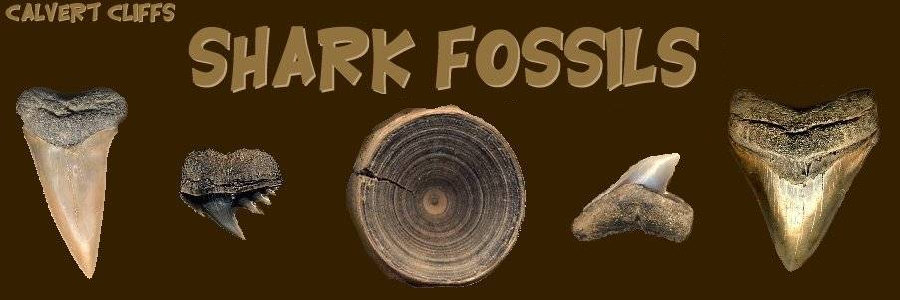
The primary treasure at Calvert Cliffs is Miocene-era shark teeth. While finding a Megalodon tooth is rare, there's a good chance of discovering teeth from other extinct sharks like Carcharodon hastalis and Otodus obliquus. The teeth vary in size from a centimeter to several inches, often black or brown due to fossilization, and sometimes with serrated edges.
Geological Context of Calvert Cliffs
The cliffs themselves are composed of layers of sediment deposited millions of years ago when the area was a shallow sea. These layers contain a wealth of fossilized remains, offering a glimpse into the region's prehistoric past. To learn more, visit the Calvert Marine Museum.
Responsible Fossil Collecting
Fossil collecting is permitted on certain sections of the beach at Calvert Cliffs. However, it is strictly illegal to dig into the cliffs themselves, as this can destabilize the cliffs and damage valuable fossil deposits. Always check the regulations and guidelines on the Calvert Marine Museum website before you start your hunt.
Enhance Your Hunt at the Calvert Marine Museum
Increase your chances of finding rare specimens and learn more about the area's paleontology by booking a guided fossil hunting tour with the Calvert Marine Museum. Their expert guides can help you identify your finds and provide valuable insights into the region's geological history. Finding shark teeth on beaches can be a lot of fun for you and the family!
Diamond Beach: Where Glacial Ice Becomes Coastal Treasure
Our final destination takes us to the stark and breathtaking beauty of Diamond Beach (Jökulsárlón) in Iceland. Here, the treasures aren't fossils or sea glass, but rather, the glittering fragments of glacial ice that wash ashore on the black sand beach. It is a great location for beachcombing on Iceland black sand beaches.
Treasures of Diamond Beach
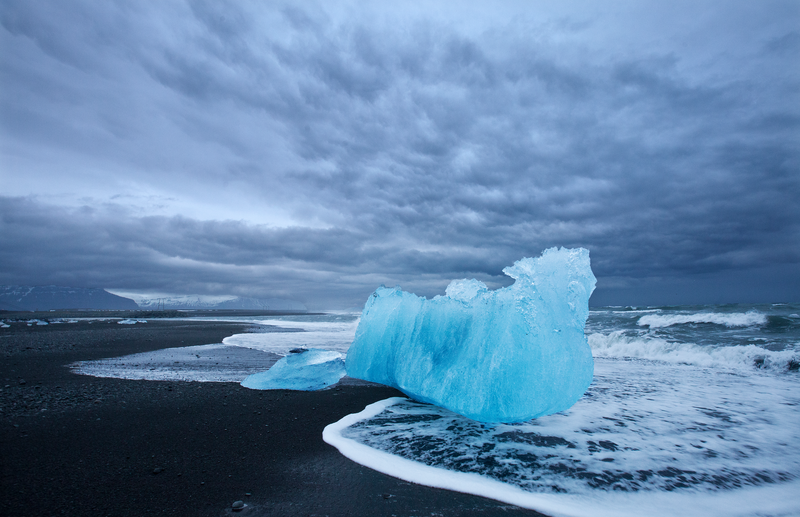
The pieces of glacial ice on Diamond Beach range in size from small, easily held chunks to larger, impressive blocks. Often crystal clear or with mesmerizing blue hues, these icebergs are sculpted into unique shapes by the relentless action of the waves. Be aware that these "treasures" are ephemeral, slowly melting back into the sea over time.
Geological Context of Jökulsárlón
The icebergs originate from the Breiðamerkurjökull glacier, part of the larger Vatnajökull ice cap. They break off from the glacier and drift through the Jökulsárlón glacier lagoon before making their way to the sea and eventually onto Diamond Beach. Jökulsárlón diamond beach guide information is crucial before your trip.
Responsible Exploration
When visiting Diamond Beach, it's crucial to respect the fragile environment. Avoid walking on unstable or rapidly melting ice formations, as this can be dangerous. Remember that these icy sculptures are temporary, a reminder of the power and impermanence of nature. What safety precautions should I take at Diamond Beach Iceland? Stay away from the edges and stay updated on local weather conditions.
Capturing the Beauty of Diamond Beach
To truly appreciate and capture the stunning beauty of Diamond Beach, consider booking a photography tour with Local Guide Iceland. Their expert guides specialize in showcasing the icebergs and the surrounding landscape, helping you capture unforgettable images.
Beachcombing offers a unique way to connect with nature and discover hidden treasures, from the sea coal of Northumberland to the shark teeth of Calvert Cliffs and the glacial ice of Diamond Beach. Each location offers a distinct experience and a chance to find something truly special. Plan your own beachcombing adventure with VistaLocation today! Share your findings on social media using #VistaLocationTreasures.