Banff Through a Lens: A Wildlife Photographer's...
Banff National Park. The name alone conjures images of majestic mountains, turquoise lakes, and abundant wildlife. As a wildlife photographer in my late 20s, I've dreamed of exploring its vast wilderness, capturing the essence of its raw beauty through my lens. I recently returned from an unforgettable trip, and I'm here to tell you why you need to plan your own Banff adventure – especially if you're a fellow photography enthusiast or simply someone who appreciates the wonders of nature. The photographic opportunities are unparalleled, and with a focus on responsible wildlife photography Banff, you can ensure your visit contributes to the park's long-term preservation. This is my journey, and I hope it inspires yours.
Sunrise Spectacle at Lake Louise
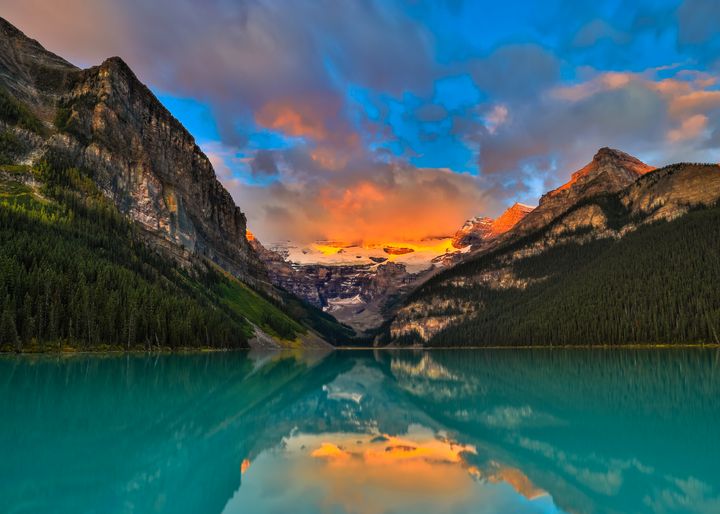
Waking up before dawn has never been my favorite, but knowing what awaited me at Lake Louise made it easy. The air was crisp, biting at my cheeks with a welcome chill as I set up my tripod. A hush blanketed the lake, broken only by the distant call of a Canada goose. Slowly, the eastern sky began to glow, painting the surrounding peaks in hues of pink and gold – that magical alpenglow.
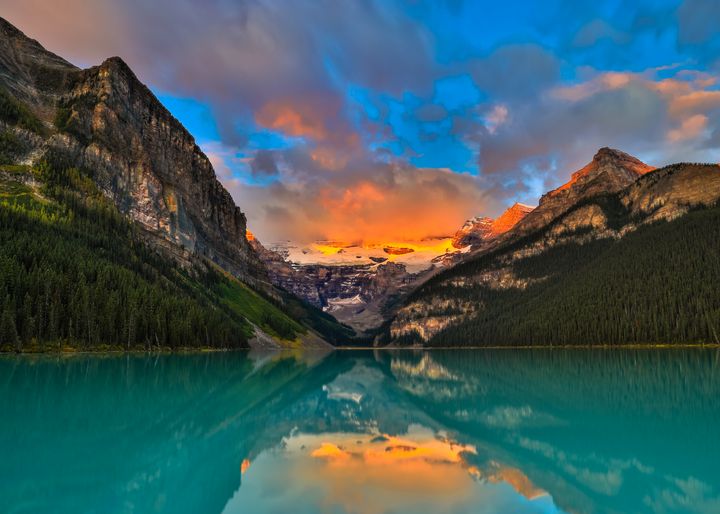
My goal was to capture the perfect reflection of Mount Victoria on the turquoise water. I used a long exposure (around 30 seconds) to smooth out the water and amplify the subtle colors. A graduated neutral density filter helped balance the bright sky with the darker foreground, preventing blown-out highlights. The result? An image that, hopefully, captures the ethereal beauty of that moment. For Lake Louise sunrise photography, arriving early is key. This allows you to find the best spot and set up before the crowds arrive.
Venturing into Grizzly Country: A Guided Tour
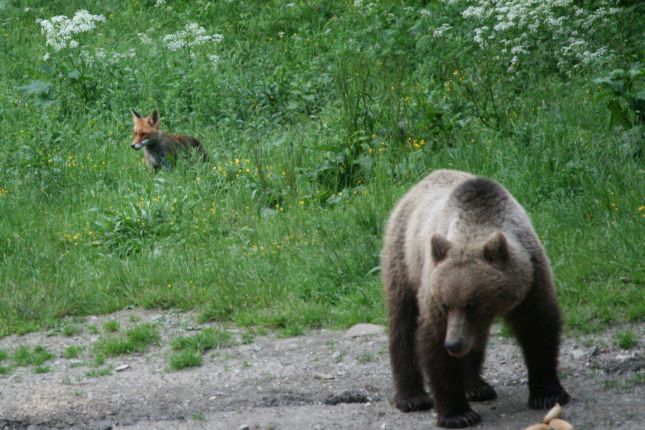
Photographing wildlife is an incredible privilege, but it's one that demands respect and responsibility. That's why I opted for a guided grizzly bear tour with a local expert. Venturing into grizzly territory without proper knowledge and precautions is simply reckless. Our guide, Sarah, was incredibly knowledgeable, not only about the bears but also about the surrounding ecosystem. She emphasized the importance of maintaining a safe distance, making noise to avoid surprising the bears, and never, ever feeding them. We walked along trails lined with vibrant wildflowers and towering spruce trees. Sarah pointed out bear scat and claw marks on trees, reminders that we were guests in their home.
It was in this environment I thought about responsible wildlife photography Banff. I used a telephoto lens (my trusty 200-400mm) to capture images of the bears from a safe distance, avoiding any temptation to get closer for a "better" shot. I also made sure to shoot in burst mode to capture fleeting moments of action. The experience was humbling, a reminder of the power and fragility of nature. If you are planning Banff wildlife photography tours, make sure you select a certified guide who emphasizes ethical practices.
Stargazing at Moraine Lake: Astrophotography Bliss
As daylight faded, I made my way to Moraine Lake, another iconic location in Banff. This time, my focus was on capturing the Milky Way arching above the lake's stunning blue waters. Moraine Lake photography tips often revolve around daytime landscapes, but the night sky here is equally breathtaking. The utter silence was profound, broken only by the gentle lapping of water against the rocky shore. I felt utterly insignificant, surrounded by the vastness of the universe.
For Banff astrophotography locations, Moraine Lake is hard to beat. Here are a few tips for aspiring astrophotographers:
- Use a star tracker: This will help compensate for the Earth's rotation, allowing you to capture sharper images of the stars.
- Find dark sky locations: Minimize light pollution by venturing away from towns and cities.
- Deal with condensation: Condensation can be a real issue at night. I use lens warmers to keep my lens dry.
- Use a wide-angle lens: I find my 14mm lens perfect for capturing the night sky’s vastness.
Capturing astrophotography Moraine Lake light pollution tips are important to understand. Even in Banff, light pollution can impact your shots. Experiment with longer exposures and higher ISO settings.
Johnston Canyon: A Symphony of Water and Stone
The hike through Johnston Canyon was a sensory overload in the best possible way. The scent of pine trees filled the air, mingling with the cool, damp mist rising from the rushing water. The sound of the falls cascading down the canyon walls was deafening, yet somehow soothing. It was an immersive experience.
I wanted to capture the unique perspective of the canyon, so I focused on using leading lines – the natural curves of the canyon walls and the flow of the water – to draw the viewer's eye through the frame. I also experimented with different shutter speeds to capture the motion of the water, from silky smooth long exposures to sharp, frozen moments. It’s a great location for practicing landscape photography and honing composition skills.
Culinary Delights: Fueling the Adventure
No trip is complete without indulging in the local cuisine. My taste buds were definitely happy in Banff!
- Banff Ave Brewing Co.: After a long day of hiking and photography, nothing beats a juicy bison burger and a local craft beer. The atmosphere at Banff Ave Brewing Co. is lively and welcoming, the perfect place to unwind and refuel.
- Fairmont Chateau Lake Louise: A lakeside brunch at the Fairmont Chateau Lake Louise is an experience in itself. The view is simply stunning, and the food is exquisite. It’s a splurge, but worth it for the ambiance and the memories.
- Campfire S'mores: The quintessential camping treat! Roasting marshmallows over an open fire under the stars is a simple pleasure that never gets old.
Responsible Tourism: Protecting Banff's Beauty
Banff National Park is a precious resource, and it's our responsibility to protect it for future generations. As a photographer, I believe I have a particular obligation to photographing wildlife in Banff without disturbing them. Here are a few tips for responsible tourism in Banff:
- Stay on marked trails: This helps prevent erosion and protects sensitive vegetation.
- Pack out all trash: Leave no trace behind.
- Respect wildlife: Maintain a safe distance, never feed animals, and avoid making loud noises.
- Support local conservation efforts: Consider donating to organizations working to protect Banff's ecosystem.
- Banff National Park ecosystem conservation is a collective effort, and every action counts.
Aspiring photographers can contribute to conservation efforts by:
- Sharing images responsibly: Avoid geotagging sensitive locations, which can attract crowds and disturb wildlife.
- Educating others: Use your platform to raise awareness about responsible tourism and conservation issues.
- Supporting ethical tour operators: Choose companies that prioritize wildlife welfare and environmental sustainability.
Plan Your Adventure Today!
Banff National Park is a photographer's paradise, a place where you can capture stunning images while connecting with nature in a meaningful way. From the breathtaking sunrises at Lake Louise to the awe-inspiring night skies above Moraine Lake, the opportunities are endless. But remember, with this privilege comes responsibility. Let’s make Banff wildlife photography tours ethical, ensuring this natural wonder remains pristine for generations to come. So, pack your bags, grab your camera, and prepare to be amazed. Banff awaits!
What are you waiting for? Book your trip to Banff today!