Azores Adventure: Diving Deep into Marine Life a...
The Azores, a cluster of nine Portuguese islands in the Atlantic, offer a breathtaking fusion of dramatic volcanic landscapes and vibrant marine ecosystems. This unique combination makes them a haven for adventure seekers and nature enthusiasts alike. As Dr. Anya Sharma, a marine biologist and avid freediver, I recently embarked on a journey to these captivating islands. My mission? To participate in a marine research expedition and explore the awe-inspiring underwater volcanic formations that define this remarkable archipelago. Join me as I recount my experiences, share insights into the region's incredible biodiversity, and underscore the importance of responsible tourism. Vistalocation.com, with its focus on adventure and eco-tourism, is the perfect platform to share this experience and inspire your own Azorean adventure.
Section 1: Joining the Research Expedition
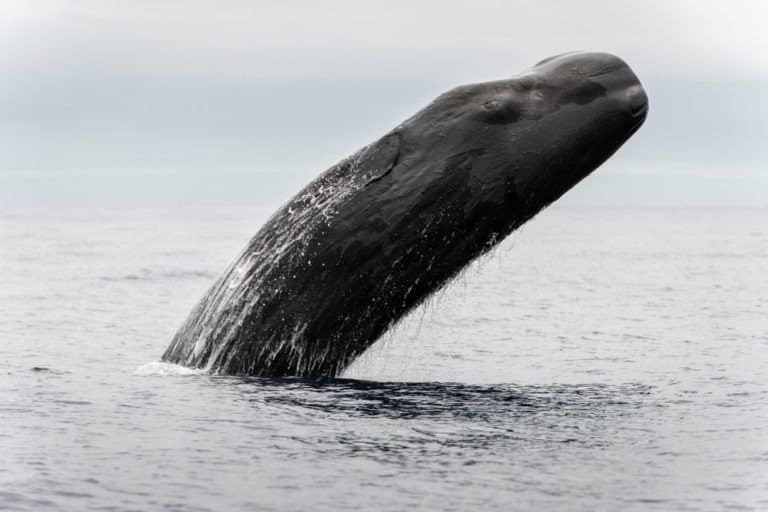
My Azorean adventure began off the coast of São Miguel Island, where I joined a research expedition focused on the majestic sperm whale. The goal was to tag these incredible creatures for tracking and research purposes, work vital for understanding their behavior, migration patterns, and overall conservation. The process involves carefully approaching the whales in a research vessel and using a specialized tagging device to attach a small, harmless tag to their dorsal fin. These tags transmit data that helps us monitor their movements and learn more about their lives.
Working in the open ocean presents unique challenges. The unpredictable weather, strong currents, and the sheer vastness of the ocean require constant vigilance and teamwork. However, the rewards are immeasurable. Being able to witness these magnificent creatures in their natural habitat, to observe their complex social interactions, and to contribute to their conservation is an experience I will never forget.
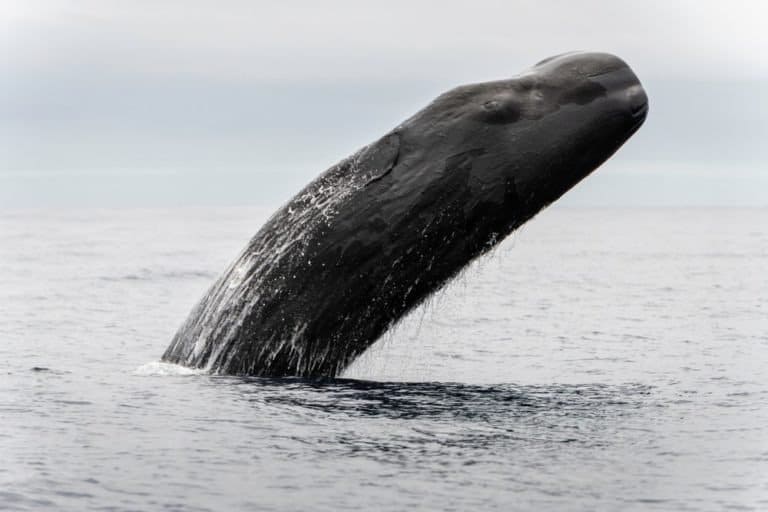
"Witnessing these magnificent creatures in their natural habitat was truly humbling," I remarked. "It reinforced the urgency of our conservation efforts." Consider booking an ethical whale watching tour with operators that use hydrophones to listen to the whales without getting too close, and support the research being done on these amazing animals. vistalocation.com can guide you toward responsible tour operators.
Section 2: Freediving in a Volcanic Crater
One of the most unforgettable experiences of my trip was freediving in the Vila Franca do Campo Islet, a submerged volcanic crater just off the coast of São Miguel. This natural wonder is a haven for marine life and offers a unique underwater landscape that is simply breathtaking.
Descending into the crystal-clear waters of the crater, I was immediately struck by the dramatic underwater topography. Towering volcanic rock formations create a labyrinthine underwater world, teeming with a diverse array of fish species. From vibrant schools of Almaco Jacks to colorful parrotfish, the marine life is incredibly abundant and diverse.
Freediving in this environment presents its own set of challenges. The varying depths and currents require careful planning and execution. However, the rewards are well worth the effort. The clarity of the water allows for unparalleled visibility, and the sheer beauty of the underwater landscape is truly awe-inspiring. Freediving Azores allows you to experience the volcanic craters up close and personal.
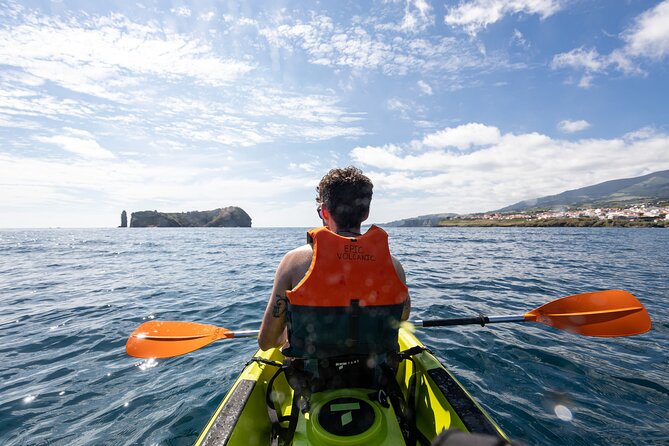
"The Vila Franca Islet is like another world," I exclaimed. "The underwater landscape is breathtaking, and the marine life is thriving. Freediving in Azores is something every ocean enthusiast should try." The islet is a protected area, and the Azores marine life tours are carefully managed to minimize impact.
Freediving Safely in Vila Franca do Campo Islet
- Check conditions: Currents can be strong. Always check the weather and tidal forecasts.
- Dive with a buddy: Never freedive alone.
- Respect the environment: Avoid touching or disturbing the marine life.
- Use appropriate gear: Ensure you have the right fins, mask, and snorkel.
- Be aware of your limits: Don't push yourself beyond your capabilities.
- Consider joining a tour: Local operators offer guided freediving experiences for all skill levels.
- Plan your dives": Check your maximum depths.
Section 3: Exploring Hydrothermal Vents
Another fascinating aspect of my research expedition involved monitoring underwater hydrothermal vents near São Miguel. These vents, located in areas of volcanic activity, release superheated water and chemicals from the Earth's crust into the ocean.
Despite the extreme conditions, these vents support unique ecosystems, teeming with extremophile organisms that have adapted to thrive in these harsh environments. These organisms, including specialized bacteria and tube worms, obtain energy from the chemicals released by the vents, rather than from sunlight.
Studying these hydrothermal vents is crucial for understanding the origins of life on Earth. These environments may provide clues about the conditions that existed on early Earth, when life first emerged. "The Azores hydrothermal vents diving opportunities are very rare," I noted, "These vents are like underwater oases. They support a surprising amount of life in an extreme environment."

Why Study Hydrothermal Vents?
- Origins of Life: Provides insights into the earliest ecosystems on Earth.
- Unique Adaptations: Shows how life can thrive in extreme conditions.
- Biotechnology Potential: The extremophiles living near vents may have unique enzymes with potential medical and industrial applications.
- Understanding Geochemistry: Understanding the vent chemistry helps us learn about the Earth's internal processes.
- Potential for Mineral Resources": Although there is debate, it is important to research the ecological consequences of mineral extraction on vent ecosystems.
Section 4: Savoring Azorean Flavors
Beyond the underwater wonders, the Azores also offer a rich culinary experience. One of the most unique dishes I sampled was Cozido das Furnas, a traditional Azorean stew cooked underground using volcanic heat. This slow-cooking method imparts a unique flavor to the stew, infusing it with the earthy aromas of the volcanic soil.
I also had the pleasure of enjoying fresh seafood at a local marisqueira in Ponta Delgada. The freshness and quality of the ingredients were exceptional. The seafood was incredibly flavorful and prepared with simple, yet delicious, techniques. Another local treat to note is the locally grown pineapple. Grown in greenhouses, Azorean pineapple is significantly sweeter than those grown in other climates.
Must-Try Azorean Dishes
- Cozido das Furnas: Meat and vegetable stew cooked underground using volcanic heat.
- Lapas Grelhadas: Grilled limpets, a type of sea snail, served with garlic butter.
- Bolo Lêvedo: A slightly sweet, round bread, often served with cheese or jam.
- Queijo São Jorge: A semi-hard cheese from São Jorge Island with a distinctive flavor.
- Alcatra: A slow-cooked beef dish, typically served in a clay pot (especially popular in Terceira Island).
Section 5: Hiking to Sete Cidades
No trip to the Azores is complete without a hike to the Sete Cidades crater lake. This stunning natural wonder offers panoramic views of the lush green hillsides and the dramatic volcanic landscape. The two lakes, Lagoa Verde (Green Lake) and Lagoa Azul (Blue Lake), are separated by a narrow bridge and offer a striking contrast in color.
Hiking to the viewpoints above the crater provides a truly unforgettable experience, allowing you to fully appreciate the beauty and scale of this volcanic landscape. The hike itself is not too challenging, but the views are worth every step.
Tips for Hiking Sete Cidades
- Check the weather: The weather in the Azores can be unpredictable.
- Wear appropriate footwear: Hiking boots are recommended.
- Bring water and snacks: It's important to stay hydrated and energized.
- Allow plenty of time: Give yourself enough time to enjoy the views and explore the area.
- Consider a guided tour: Local guides can provide valuable insights into the history and geology of the area.
- Bring your camera": You won't want to miss the chance to capture the stunning scenery.
Conclusion
My journey to the Azores was an incredible experience, a true immersion into the unique blend of marine life and volcanic landscapes that define these remarkable islands. From participating in sperm whale research expeditions to freediving in volcanic craters and exploring hydrothermal vents, I was constantly amazed by the biodiversity and geological wonders of this archipelago. The Islands unique and fragile ecosystem are important to protect and conserve through eco-tourism Azores Islands.
The Azores are a testament to the power and beauty of nature, and a reminder of the importance of responsible tourism and conservation efforts. Plan your own adventure to the Azores with vistalocation.com and discover the magic of these enchanting islands. Embrace the opportunity to support sustainable travel Azores while experiencing the stunning wonders.