Awe-Inspiring Encounters: Discovering Beaches Be...
Beaches are often synonymous with relaxation, sun-kissed skin, and the gentle lull of the waves. But some beaches offer experiences far beyond the ordinary. Imagine witnessing ancient rituals, being enveloped in ethereal light, or walking on a sea of stars. These unforgettable encounters with wildlife transform a simple beach visit into a profound connection with the natural world. From the nesting grounds of endangered leatherback turtles in Costa Rica to the bioluminescent shores of Australia and the Maldives, prepare to discover beaches that inspire awe and encourage responsible travel. Join us as we explore three extraordinary destinations where wildlife takes center stage, reminding us of the delicate beauty of our planet and our role in protecting it.
Playa Grande, Costa Rica: The Ancient Journey of Leatherback Turtles
Playa Grande, nestled on the Pacific coast of Costa Rica, is not just another beautiful beach. It's a critical nesting site for the majestic leatherback turtle (Dermochelys coriacea), the largest sea turtle on Earth. Every year, from October to March, these ancient mariners embark on an incredible journey to return to the very beaches where they were born, continuing a cycle that has persisted for millions of years. Witnessing this nesting process is a truly humbling experience, connecting you to the deep history of our planet.
Leatherback turtles face immense challenges throughout their lives. Poaching of their eggs and entanglement in fishing gear have severely depleted their populations. Habitat loss due to coastal development also poses a significant threat. These gentle giants are now listed as vulnerable, making conservation efforts at Playa Grande crucial for their survival.
The nesting process is a remarkable display of strength and determination. Under the cloak of darkness, the female turtle emerges from the ocean, laboriously hauling her massive body onto the sand. She then begins the arduous task of digging a nest, carefully depositing around 80-100 eggs, each about the size of a billiard ball. After covering the nest, she returns to the sea, leaving her offspring to hatch and navigate their own perilous journey.
Witnessing this spectacle is a privilege, but it's essential to do so responsibly.
Responsible Viewing Guidelines at Playa Grande:
- Maintain Distance: Keep a respectful distance from the nesting turtles. Approaching too closely can disturb them and disrupt the nesting process.
- No Flash Photography: Flash photography can disorient the turtles and scare them away.
- Certified Guides Only: Only visit Playa Grande with certified guides who are trained in responsible viewing practices. They will ensure minimal disturbance to the turtles and provide valuable insights into their life cycle and conservation.
For accommodations, consider staying at the nearby Las Baulas National Marine Park Ranger Station or the Hotel Capitan Suizo, which actively supports turtle conservation efforts.
Get Involved:
You can actively contribute to the protection of leatherback turtles by volunteering with organizations like PRETOMA (Programa Restauración de Tortugas Marinas) (https://pretoma.org/). PRETOMA works to protect nesting sites, conduct research, and educate local communities about the importance of turtle conservation. Volunteering provides a unique opportunity to witness the nesting process up close and make a tangible difference in the lives of these magnificent creatures. Consider also donating to these conservation organizations.
Jervis Bay, Australia: A Symphony of Light – Bioluminescent Plankton Blooms
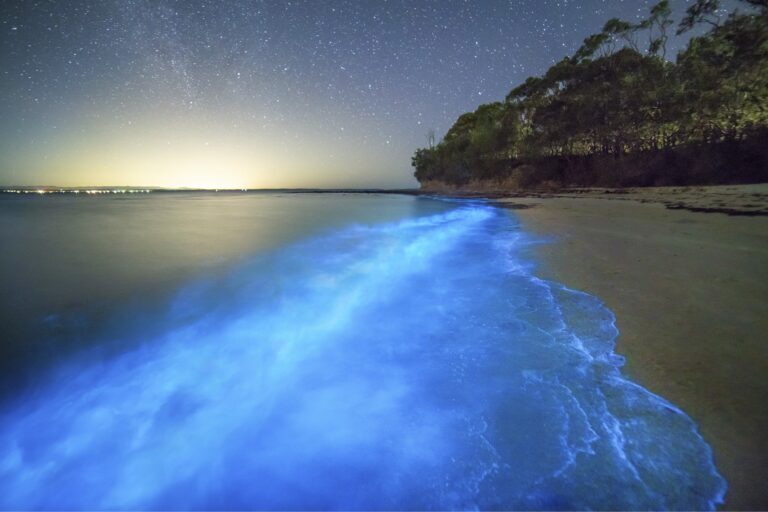
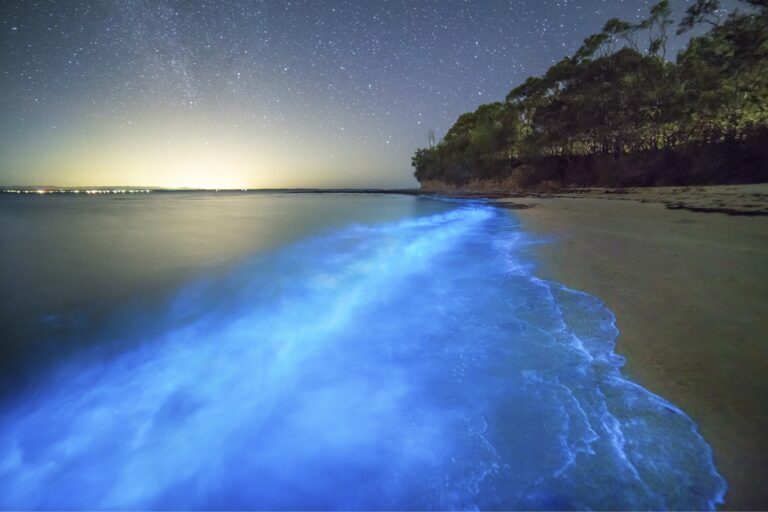
Jervis Bay, located in New South Wales (NSW), Australia, is renowned for its pristine beaches and crystal-clear waters. But it also holds a secret: a mesmerizing display of bioluminescence that transforms the shoreline into a symphony of light. This natural phenomenon is caused by blooms of bioluminescent plankton, specifically dinoflagellates.
The Science Behind the Glow:
Dinoflagellates are microscopic marine organisms that emit light when disturbed. This bioluminescence is a defense mechanism, startling predators and attracting larger organisms that may prey on the plankton's attackers. The result is an ethereal glow that illuminates the water with a captivating blue light.
Witnessing the Magic:
The best time to witness bioluminescent plankton blooms in Jervis Bay is during the warmer months, from late spring to early autumn (October to March in the Southern Hemisphere). Calm seas, warm water, and minimal light pollution create the ideal conditions for these blooms to thrive. Visiting during the new moon provides the darkest skies, maximizing the visibility of the bioluminescence. Remember to check local forecasts, as the appearance of the bioluminescence is never guaranteed. Many factors, including the weather, the temperature of the water, the tide, and the nutrients available to the organisms, all play a role.
Responsible Behavior:
Protecting the bioluminescent plankton and their environment is crucial.
- Avoid Swimming: While tempting, swimming can disturb and harm the plankton. Admire the glow from the shore.
- Minimize Light Pollution: Turn off flashlights and other artificial lights to fully appreciate the natural light display.
- Respect the Environment: Leave no trace behind. Pack out all trash and avoid disturbing the surrounding vegetation.
Consider staying at Paperbark Camp (https://www.paperbarkcamp.com.au/), known for its eco-conscious practices and minimal environmental impact. This unique glamping experience allows you to immerse yourself in nature without compromising the environment.
Citizen Science:
Contribute to plankton monitoring programs by participating in citizen science initiatives. Your observations can help scientists track the distribution and abundance of bioluminescent plankton in Jervis Bay.
Mudhdhoo Island (Vaadhoo), Maldives: The Sea of Stars – Glowing Phytoplankton Beaches
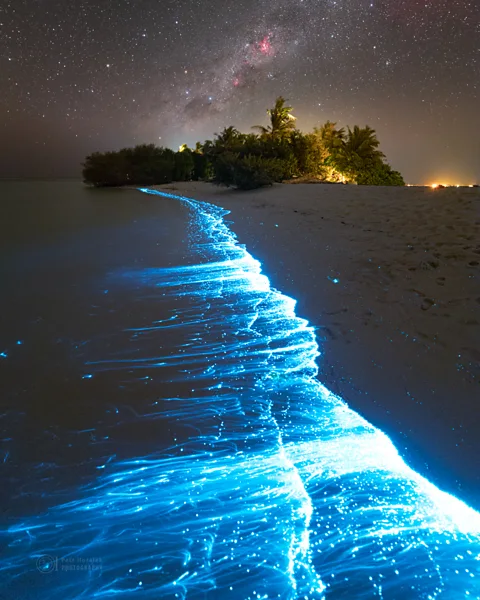
The Maldives, a tropical nation in the Indian Ocean composed of over a thousand coral islands, are already famous for their stunning turquoise waters and luxurious resorts. But Mudhdhoo Island (Vaadhoo) holds an extra special secret: the "Sea of Stars." At night, the beaches of Mudhdhoo Island transform into a magical spectacle, with countless points of light illuminating the shoreline, creating the illusion of a starry sky reflected in the ocean.
Glowing Phytoplankton:
This breathtaking phenomenon is caused by bioluminescent phytoplankton, microscopic marine organisms that emit light as a defense mechanism. When disturbed by waves or movement, these tiny organisms produce a mesmerizing glow, transforming the beach into a surreal and unforgettable landscape.
When to Visit:
While the "Sea of Stars" can occur year-round, it is often most visible during the late summer and autumn months (August to November). However, like any natural phenomenon, its appearance can be unpredictable. Check with local tour operators for the latest sightings and optimal viewing conditions.
Responsible Tourism:
Protecting the delicate marine environment of the Maldives is paramount.
- Avoid Touching the Phytoplankton: While it's tempting to interact with the glowing organisms, avoid touching them, as this can disrupt their natural processes.
- Minimize Disturbance: Be mindful of your impact on the marine environment. Avoid walking on the coral reefs and dispose of all trash responsibly.
- Choose Eco-Friendly Tour Operators: Support tour operators who are committed to sustainable tourism practices and prioritize the conservation of the marine ecosystem.
Consider accommodations at the Dusit Thani Maldives (https://www.dusit.com/dusit-thani/maldives/), which is committed to sustainable tourism practices and actively supports marine conservation initiatives. Many resorts in the area have started bioreef projects as well.
Support Marine Research:
Donate to the Marine Research Centre in the Maldives to support their research on marine ecosystems and conservation efforts. Your contribution can help protect the "Sea of Stars" and ensure that future generations can experience this magical phenomenon.
Experiencing these awe-inspiring natural wonders fosters a deeper sense of connection to our planet. It reminds us of the delicate balance of nature and the importance of responsible travel practices. By choosing sustainable accommodations, respecting wildlife, and supporting conservation efforts, we can all play a role in protecting these unique ecosystems for future generations.
Ready to make a difference? Donate to PRETOMA, the Marine Research Centre in the Maldives, or participate in citizen science initiatives to protect these incredible beach ecosystems for years to come. Your actions, however small, can have a significant impact on the future of our planet.