Atacama Desert Photography Tour: An Astrophotogr...
The Atacama Desert. Even the name whispers of something vast, ancient, and utterly unforgiving. Stepping onto its arid plains for the first time, I was struck by the sheer scale of the desolation. It's a landscape that humbles you, forces you to confront the immensity of time and the power of nature. As an astrophotographer specializing in remote and extreme environments, I knew this was a place that would challenge and reward me in equal measure. The unique light and the promise of unparalleled stargazing were irresistible. Join me as I recount my week-long Atacama Desert adventure travel, from the dizzying heights of the geysers to the surreal depths of Death Valley, and share my tips for capturing its stark beauty through the lens.
Stargazing in the Atacama: Reaching for the Cosmos
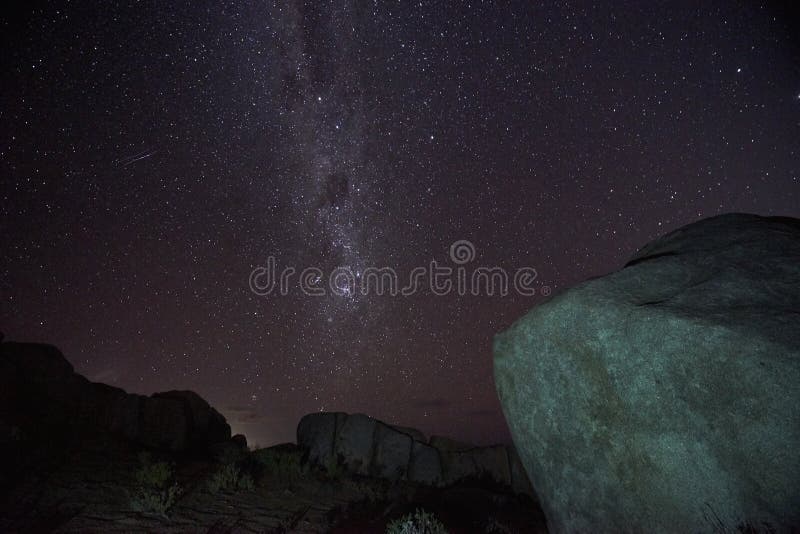
One of the primary reasons I ventured into the Atacama was for the stargazing. The desert's high altitude, minimal light pollution, and incredibly dry air make it one of the best places on Earth to observe the night sky. I joined a stargazing Atacama Desert tour that included a visit to the ALMA (Atacama Large Millimeter/submillimeter Array) Observatory’s visitor center.
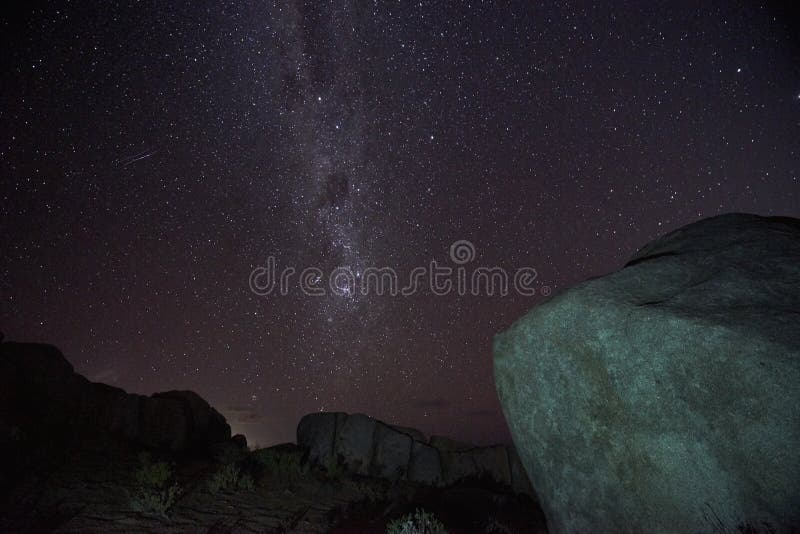
Seeing the massive radio telescopes arrayed against the backdrop of the Andes Mountains was awe-inspiring. While photographing the telescopes themselves was relatively straightforward, capturing deep-sky objects proved more challenging. Even in the Atacama, the bright desert air scatters some light, requiring long exposures and careful processing to reveal the faintest nebulae and galaxies. Don't forget to check the ALMA Observatory Photography Tips before you go!
Milky Way Photography in the Atacama
The Milky Way photography opportunities here are unmatched. The galactic core blazes across the sky, a river of stars and dust. To capture it, I used a wide-angle lens (14mm) with a fast aperture (f/2.8) and shot long exposures (around 20-30 seconds) at a high ISO (3200-6400). Tracking mounts are helpful but not essential if you're comfortable stacking multiple images to reduce noise.
Death Valley's Surreal Sands: Sandboarding Under the Sun
A stark contrast to the celestial observations, sandboarding down the dunes in Death Valley (within the Atacama Desert) offered a thrilling adrenaline rush. The landscape is aptly named; its barren beauty is both mesmerizing and slightly unsettling.
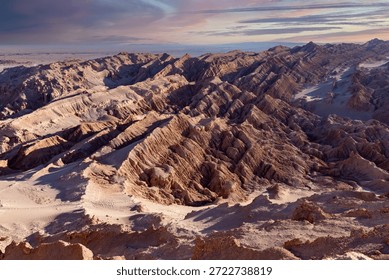
The challenge wasn't just navigating the steep slopes but also protecting my camera gear from the fine, pervasive sand. I used a combination of rain covers, lens filters, and thorough cleaning to keep everything functioning. The experience was surreal – a blend of exhilarating speed and the haunting silence of the desert. For information on What camera equipment to bring for Atacama sandboarding, read equipment reviews before you go!
El Tatio Geysers: A Frigid Dawn Spectacle
Waking before dawn to explore the El Tatio geysers was an exercise in endurance. At an altitude of over 4,300 meters (14,000 feet), the air is thin and the temperature plummets well below freezing before sunrise. Despite the discomfort, the reward was well worth it. The landscape transforms into a steamy, otherworldly stage as the first rays of light illuminate the boiling water and billowing steam.
Capturing the scene required careful attention to white balance (to counteract the blueish tint of the pre-dawn light) and managing the condensation that quickly formed on my lenses. Bring multiple lens cloths and be prepared to wipe frequently. Don't forget Altitude sickness tips El Tatio Geysers Atacama; it's a real risk, so acclimatize beforehand and stay hydrated.
A Taste of the Atacama: Culinary Delights in the Desert
Despite the harsh environment, the local communities in and around San Pedro de Atacama have cultivated a surprisingly diverse culinary scene. I enjoyed a hearty Pastel de Choclo (a Chilean corn and meat pie) at a local restaurant in San Pedro, savoring the rich flavors after a long day of exploring.
For a quick and sweet treat, I indulged in Picarones bought from a street vendor – warm, donut-like fritters drizzled with molasses. The sweetness and warmth were particularly welcome on a chilly evening. One evening, I had the unforgettable experience of an al fresco dinner under the incredibly clear night sky at a desert lodge.
The challenge of growing food in the desert is significant, but the local communities are employing innovative approaches, such as hydroponics and water-efficient irrigation, to produce fresh fruits and vegetables. Be sure to try Best local food to try in San Pedro de Atacama Chile.
Geological Marvels: Painting with Light in the Atacama
The Atacama is a geologist's paradise, boasting a stunning array of formations shaped by millennia of wind, water, and tectonic activity.
Valley of the Moon: Lunar Landscapes at Sunset
The Valley of the Moon is aptly named, resembling the surface of our celestial neighbor. I visited at sunset, when the golden light casts long shadows and accentuates the dramatic contours of the landscape. Specific formations like Las Tres Marias (the Three Marias) are particularly striking. Capture this during your Valley of the Moon Atacama Photography trip.
Rainbow Valley: A Kaleidoscope of Colors
The Rainbow Valley is another must-see, showcasing an incredible spectrum of colors in the rock formations. The optimal time to visit is in the late afternoon when the low-angle sunlight intensifies the hues.
Salar de Atacama: A Sea of Salt
The vast salt flats of Salar de Atacama are a surreal sight, stretching as far as the eye can see. The flamingo population adds a touch of life to the otherwise barren landscape. I was fascinated by the unique patterns on the salt surface, created by the evaporation of water and the crystallization of minerals.
Practical Tips for Photographers: Conquering the Atacama
Photographing in the Atacama Desert presents unique challenges:
- Protecting Equipment from Dust: Invest in rain covers, lens filters, and a good camera bag. Clean your gear frequently with a blower and microfiber cloth.
- Dealing with Altitude Sickness: Acclimatize gradually, stay hydrated, avoid alcohol, and consider consulting your doctor about altitude sickness medication.
- Best Times to Visit for Astrophotography: The dry season (April to September) generally offers the clearest skies. Check the lunar calendar to plan your trip around the new moon for the darkest nights. For specific planning, view Best Time to Visit Atacama Desert for Stargazing.
As for accommodation, I recommend boutique desert lodges such as Tierra Atacama or Awasi Atacama for their blend of comfort and immersion in the environment. Atacama Desert Luxury Lodges often provide specific photography tour guides or will have knowledge of photography spots.
Reflections on an Extreme Landscape
Photographing the Atacama Desert was a deeply rewarding experience. The challenges – the extreme temperatures, the high altitude, the ever-present dust – were significant, but the beauty and the feeling of isolation and awe made it all worthwhile. It's a place that stays with you long after you've left, a reminder of the power and the fragility of our planet. If you're an adventure traveler or a photographer seeking a truly unique destination, the Atacama Desert should be at the top of your list. Consider an Atacama Desert Photography Tour for expert guidance and unforgettable experiences.