Astrophotography Digital Nomad: Coding Under the...
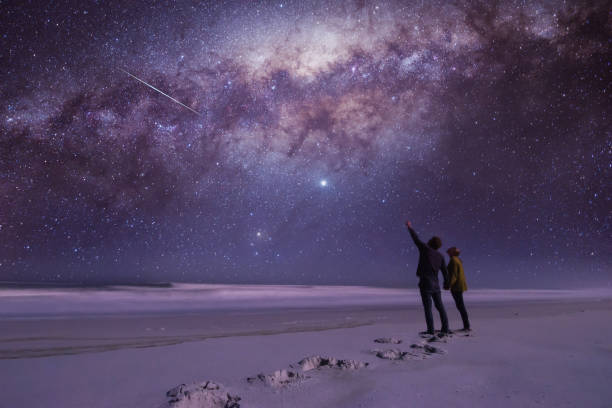
Imagine yourself, surrounded by an endless expanse of reflective salt flats under a canopy of a million stars. You're not just a tourist; you're a digital nomad, a remote worker carving your own path. But instead of lounging on a beach, you're harnessing the power of your Dell XPS 15 to process stunning astrophotography images captured right here, in the heart of Bolivia's Salar de Uyuni, the world’s largest salt flat. This unique blend of remote work and the pursuit of astronomical wonders is not only achievable, but it's becoming a sought-after experience for those seeking adventure and inspiration. This post will guide you on how to balance remote work and remote work stargazing, specifically focusing on the unparalleled Salar de Uyuni astrophotography location.
Why Salar de Uyuni is a Digital Nomad Astrophotographer's Dream
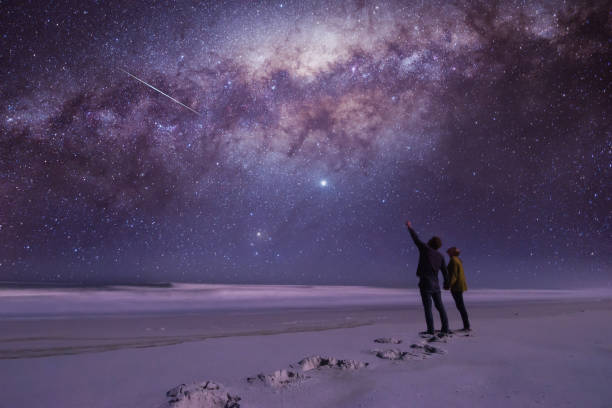
The Salar de Uyuni offers a unique environment for both digital nomads and astrophotographers. Its vast, flat surface acts as a natural mirror, reflecting the night sky in all its glory. Combined with the high altitude and minimal light pollution, it provides some of the clearest, most breathtaking views of the cosmos available on Earth. The feeling of being completely immersed in the universe while simultaneously connected to your work is an experience unlike any other.
Balancing Remote Work and Astrophotography
The key to successfully combining these two passions lies in meticulous planning and preparation. Here’s a breakdown:
Time Management: Coding Under the Stars
- Prioritize Tasks: Identify your most critical work tasks and schedule them for times when astrophotography conditions are less ideal (e.g., during the day or periods of cloud cover).
- Batch Similar Activities: Group similar coding tasks together to minimize context switching and maximize efficiency.
- Embrace Flexibility: The beauty of being a digital nomad is the freedom to adjust your schedule. Be prepared to shift your work hours to take advantage of exceptional stargazing opportunities.
- Automate Processes: Use scripts and tools to automate repetitive tasks, freeing up more time for image processing and enjoying the night sky.
- Leverage Downtime: Coding challenges can be a great brain teaser between telescope adjustments. Schedule time to step away from capturing night sky and process.
Powering Your Remote Work Stargazing Setup
Reliable power is crucial for both your laptop and astrophotography equipment. Being prepared is key to effectively managing Remote Work Power Solutions:
- Goal Zero Yeti 500X (or equivalent): A portable power station like the Goal Zero Yeti 500X is essential for powering your laptop, telescope mount, and other electronic devices.
- Solar Panels: Consider bringing solar panels to recharge your power station during the day, ensuring a sustainable power source.
- Backup Batteries: Carry extra batteries for your camera and other equipment to avoid interruptions during long astrophotography sessions.
- AC Adapters and Converters: Ensure you have the necessary adapters and converters to plug your devices into local power outlets when available.
Gear Recommendations
Having the right equipment is essential for both your coding and astrophotography endeavors.
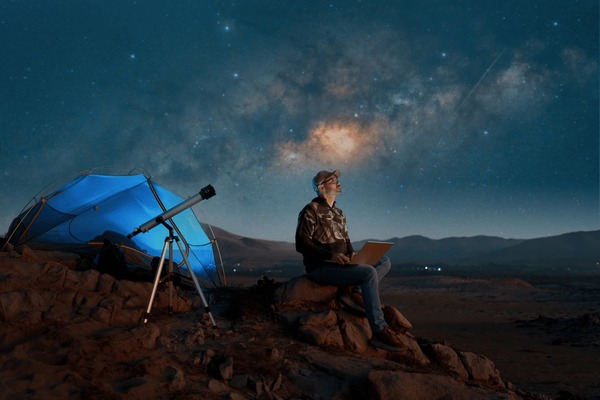
- Dell XPS 15: This laptop offers a powerful processor, ample RAM, and a high-resolution display, making it ideal for coding and image processing. Dell XPS 15 Astrophotography will be a game changer, allowing you to process while the inspiration is still fresh.
- High-Quality Telescope: Invest in a telescope with a sturdy mount and accurate tracking capabilities. A GoTo telescope can help you locate celestial objects quickly and easily.
- Astrophotography Camera: A dedicated astrophotography camera or a high-end DSLR with good low-light performance is crucial for capturing stunning images of the night sky.
- Tripod: A sturdy tripod is essential for stabilizing your camera and telescope during long exposures.
- Headlamp with Red Light: A headlamp with a red light setting will allow you to see in the dark without affecting your night vision.
Software and Coding Skills for Astrophotography
Coding skills can significantly enhance your astrophotography workflow:
- Image Processing Software: Familiarize yourself with software like PixInsight, Adobe Photoshop, or Affinity Photo for stacking, calibrating, and enhancing your astrophotography images.
- Scripting Languages: Learn scripting languages like Python or Bash to automate repetitive image processing tasks.
- Data Analysis Tools: Explore data analysis tools like Astropy to extract scientific information from your astrophotography data.
- Automation Skills: Master automation in code, helping you complete image processing in no time.
Finding the Best Locations Digital Nomad Astrophotography
Salar de Uyuni boasts numerous spots perfect for astrophotography. Consider these:
- Isla Incahuasi: This rocky island in the middle of the salt flat offers stunning foreground elements for your astrophotography compositions.
- Train Cemetery (Cementerio de Trenes): The eerie train cemetery provides a unique and surreal backdrop for night sky photography.
- Near the Salt Hotels: Staying in one of the salt hotels offers convenient access to dark skies and comfortable accommodations.
Practical Considerations: Safety and Logistics
- Altitude Sickness: The Salar de Uyuni is located at a high altitude, so it's essential to acclimatize gradually and take precautions to prevent altitude sickness.
- Weather Conditions: Be prepared for extreme temperature swings, from hot days to freezing nights. Dress in layers and bring appropriate clothing.
- Transportation: Arrange transportation in advance, as public transportation is limited in the Salar de Uyuni. Consider hiring a 4x4 vehicle with a driver.
- Accommodation: Book your accommodation well in advance, especially during peak season. Salt hotels offer a unique experience, but basic guesthouses are also available.
- Stay Connected: Bolivia's coverage is not the greatest, but it's growing. Purchase a local SIM card to stay connected.
Digital Nomad Bolivia Itinerary: A Sample Plan
- Day 1: Arrive in Uyuni, acclimatize to the altitude, and explore the town.
- Day 2: Take a guided tour of the Salar de Uyuni, visiting Isla Incahuasi and the Train Cemetery.
- Day 3: Dedicate the day to astrophotography, scouting locations and setting up your equipment.
- Day 4: Spend the night capturing images of the Milky Way and other celestial objects.
- Day 5: Process your astrophotography images and share them online.
- Day 6: Continue remote work and explore other attractions in the area, such as the Eduardo Avaroa Andean Fauna National Reserve.
Coding and Cuisine: Empanadas de la Abuela Elena
Don't forget to immerse yourself in the local culture and cuisine. Sample the delicious Empanadas de la Abuela Elena, a local specialty that will fuel your coding and astrophotography adventures. Balancing demanding work with leisure is essential for maximizing the enjoyment and balance of the Digital Nomad Lifestyle.

Remote Work Bolivia Itinerary: A Sample Plan
Research and Planning: Research potential locations in Bolivia based on factors like internet connectivity, safety, cost of living, and access to nature or activities.
Secure Visa: Check visa requirements for your nationality and the length of your intended stay.
Travel Arrangements: Book flights, accommodations, and transportation in advance, especially during peak seasons.
Pack Appropriately: Pack clothing suitable for varying climates, including layers for altitude sickness, rain gear for wet seasons, and sturdy shoes for outdoor adventures.
Health and Safety: Consult a doctor about necessary vaccinations and precautions for altitude sickness or other region-specific health risks.
Set Up Workstation: Arrive early to set up a functional workspace.
Establish Routine: Create a daily or weekly schedule that combines work time with leisure activities to explore the location.
Conclusion: Embrace the Digital Nomad Dream in Salar de Uyuni
The Salar de Uyuni offers a unique and unforgettable experience for digital nomads interested in astrophotography. By carefully planning your trip, investing in the right equipment, and embracing the local culture, you can successfully combine your passion for remote work with the wonders of the night sky. So, pack your bags, grab your laptop and telescope, and prepare to code under the stars in one of the most magical places on Earth. Ready to embark on this adventure? Contact Vistalocation today to start planning your digital nomad astrophotography experience in Salar de Uyuni!