Aquatic Edens: Three Water Destinations for Eco-...
Dive into the heart of conservation with vistalocation.com as we explore three unique "eco-tourism Palau Everglades Raja Ampat" hotspots where you can actively participate in protecting our planet's precious aquatic ecosystems. From the mesmerizing Jellyfish Lake of Palau to the vital mangrove forests of the Everglades and the vibrant coral reefs of Raja Ampat, get ready for an unforgettable adventure that combines breathtaking travel with meaningful conservation. This is "responsible travel coral reef conservation" at its finest.
Destination 1: The Jellyfish Lake of Palau
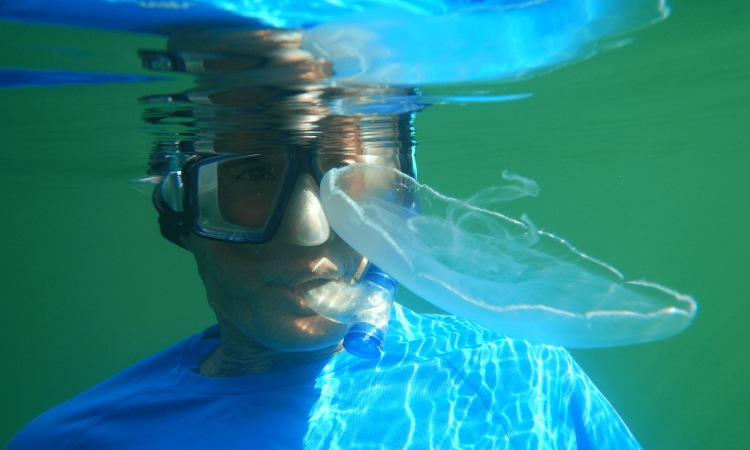
Palau's Jellyfish Lake is a true natural wonder. This marine lake is home to millions of jellyfish, isolated from the ocean for thousands of years, and evolved to lose their stinging cells. However, this incredible ecosystem is also incredibly delicate. Sunscreen pollution and over-tourism pose a significant threat to the jellyfish population. "Palau Jellyfish Lake ecotourism" strives to balance visitation with preservation.
Protecting the Jellyfish:
Sunscreen use is strictly prohibited within the lake, and only reef-safe alternatives are permitted on the island. This is crucial because chemicals in standard sunscreens can harm the jellyfish and their environment.
Snorkeling Guidelines:
To minimize harm to the jellyfish, snorkelers are advised to:
- Avoid kicking up sediment from the lake floor.
- Swim slowly and gently.
- Refrain from touching the jellyfish.
- Maintain a safe distance from the jellyfish.
Scientific Research:
Scientists are actively studying the jellyfish population and their unique adaptation to the lake environment. Research focuses on their evolutionary history, their feeding habits, and the impact of environmental changes on their survival. Understanding these aspects is vital for developing effective conservation strategies.
Ethical Considerations for Visiting Jellyfish Lake:
"Is it ethical to visit Jellyfish Lake Palau?" It's a valid question. By adhering to the guidelines and supporting local conservation efforts, travelers can minimize their impact and contribute to the long-term preservation of this extraordinary place.
Support Conservation:
Support the Palau Conservation Society and contribute to their vital work protecting Palau's natural heritage. [Palau Conservation Society](insert actual link)
Destination 2: The Underwater Forests of the Everglades National Park, USA
The Everglades National Park is a unique wetland ecosystem in Florida, USA, including vital "Everglades mangrove kayaking conservation". The "mangrove ecosystems" here play a critical role in coastal protection, preventing erosion, and providing habitat for a wide array of species, including the beloved manatee.
Restoring the Mangroves:
Efforts are underway to restore mangrove forests damaged by storms and human activities. These restoration projects involve planting new mangrove trees and removing invasive species.
Guided Kayak Tours:
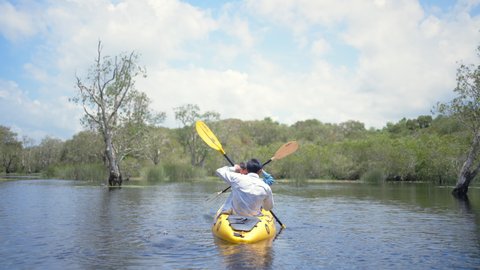
Guided kayak tours offer an immersive experience within the Everglades' mangrove tunnels. These tours provide opportunities for citizen science data collection, such as water quality monitoring and wildlife observation.
- Mangrove Species: Red mangroves, black mangroves, and white mangroves are common.
- Manatee Species: The West Indian manatee is the species most often seen.
- Other Wildlife: Keep an eye out for dolphins, alligators, various bird species, and even the elusive Florida panther.
Challenges of Climate Change:
Climate change, particularly rising sea levels and saltwater intrusion, poses a significant threat to the mangrove ecosystem. Saltwater intrusion can kill mangrove trees and alter the composition of the plant and animal communities.
Volunteer Opportunities:
"Volunteer opportunities Everglades National Park conservation" abound. Participants can assist with mangrove planting, invasive species removal, and wildlife monitoring.
Support Conservation:
Donate to the Everglades Foundation and help them protect and restore this critical ecosystem. [Everglades Foundation](insert actual link)
Destination 3: The Coral Reefs of Raja Ampat, Indonesia
Raja Ampat, located in Indonesia, is known for its incredible biodiversity, boasting some of the most diverse "ethical travel coral reef exploration" opportunities in the world. These reefs are vital for the livelihood of local communities, who depend on them for fishing and tourism.
Sustainable Diving Practices:
Sustainable diving practices are essential for minimizing the impact on the fragile coral reef ecosystem. Divers should:
- Maintain neutral buoyancy to avoid touching or breaking corals.
- Avoid touching or feeding marine life.
- Use reef-safe sunscreen.
- Dispose of trash responsibly.
Local Initiatives:
Local communities are actively combating dynamite fishing and promoting coral restoration projects.
Coral Restoration Projects:
Tourists can participate in these projects by attending specific coral fragment attachment workshops for new divers.
- Coral Species: Staghorn coral (Acropora cervicornis) and Elkhorn coral (Acropora palmata) are commonly used in restoration.
- Workshop Focus: These workshops provide hands-on experience in attaching coral fragments to artificial reefs or damaged areas.
Viral Video Concept: Coral Spawning Spectacle in Raja Ampat
HOOK: A sudden burst of vibrant pink and orange coral eggs exploding into the water, filling the frame.
SCENE: Underwater, close-up shots of coral polyps releasing their eggs simultaneously during a full moon night. The lighting is predominantly dark, accented by specialized dive lights that reveal the bioluminescence. Steadycam movement maintaining a close, intimate perspective.
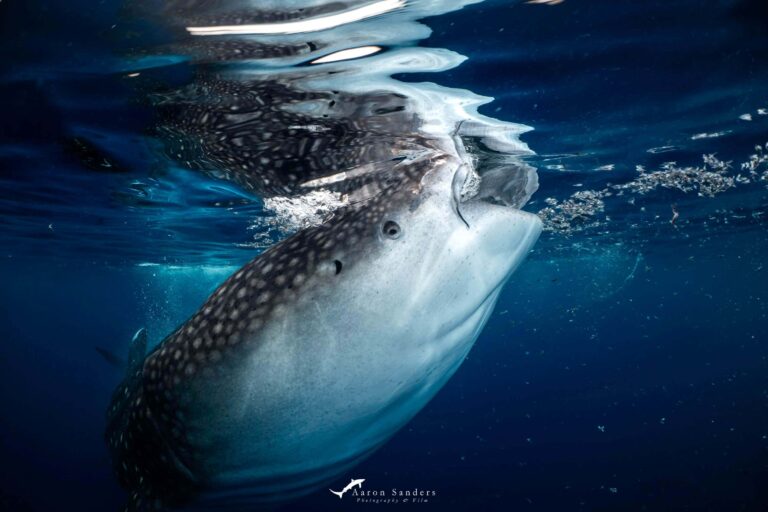
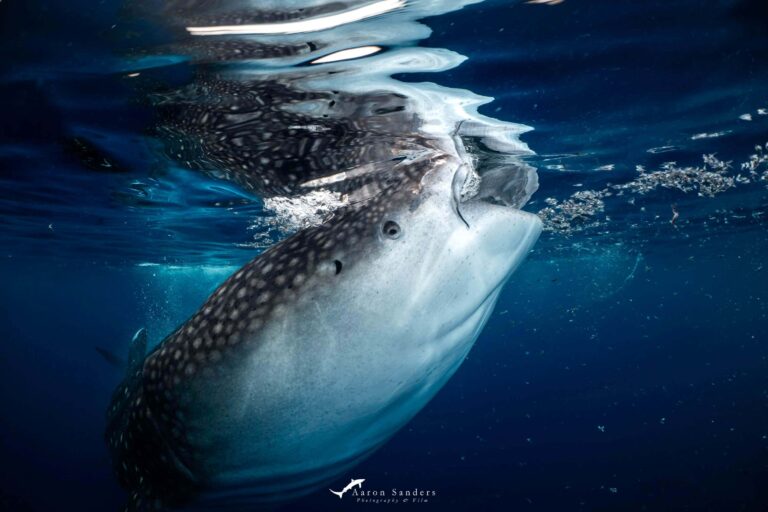
TWIST: A massive whale shark suddenly appears silhouetted in the distance, drawn to the feast, creating a dramatic contrast of scale and a natural feeding frenzy. And then, from the depths, a gentle giant arrives.
This awe-inspiring spectacle could be a viral sensation, raising awareness about the importance of coral reef conservation. Consider "Raja Ampat coral spawning video" searches for more information.
Support Conservation:
Volunteer with Conservation International's Raja Ampat program and contribute to their efforts to protect this underwater paradise. [Conservation International's Raja Ampat program](insert actual link)
The Importance of Responsible Travel
"How can I travel responsibly in Raja Ampat?" By choosing sustainable tour operators, respecting local customs, and minimizing your environmental impact. "What are the best practices for visiting Jellyfish Lake?" Follow all guidelines, use reef-safe sunscreen, and support local conservation efforts.
Conclusion
The "Sustainable tourism aquatic ecosystems" described in this blog post showcase the beauty and fragility of our planet's underwater realms. By choosing responsible travel options and supporting local conservation initiatives, we can all play a part in protecting these aquatic edens for future generations. Consider these "conservation travel destinations" for your next adventure!
Please visit vistalocation.com for more information on sustainable travel and eco-tourism destinations.