
Annapurna Circuit: A Definitive Guide to Respons...
The Annapurna Circuit isn't just a trek; it’s a transformative journey into the heart of Nepali mountain culture. Imagine traversing stunning landscapes while forging meaningful connections with local communities, all while minimizing your environmental impact. At VistaLocation.com, we believe in responsible travel, and the Annapurna Circuit offers a unique opportunity to experience ethical and sustainable tourism firsthand. This guide will provide you with the essential knowledge to embark on a culturally sensitive and environmentally conscious Annapurna Circuit responsible trekking adventure. Let's explore how to respect local traditions, support the local economy, and preserve this breathtaking region for generations to come.
1. Understanding the Annapurna Circuit Today
The Annapurna Circuit, once a completely isolated trail, has seen its share of changes due to road development. While roads now connect some villages, offering alternative transportation options, the cultural richness and mountain scenery remain unparalleled. Many sections of the original trail are still intact, offering a challenging and rewarding trekking experience far from motorized vehicles. You can choose to trek the classic route or incorporate shorter hikes, still experiencing the diverse landscapes and cultural treasures that make the Annapurna Circuit so special.
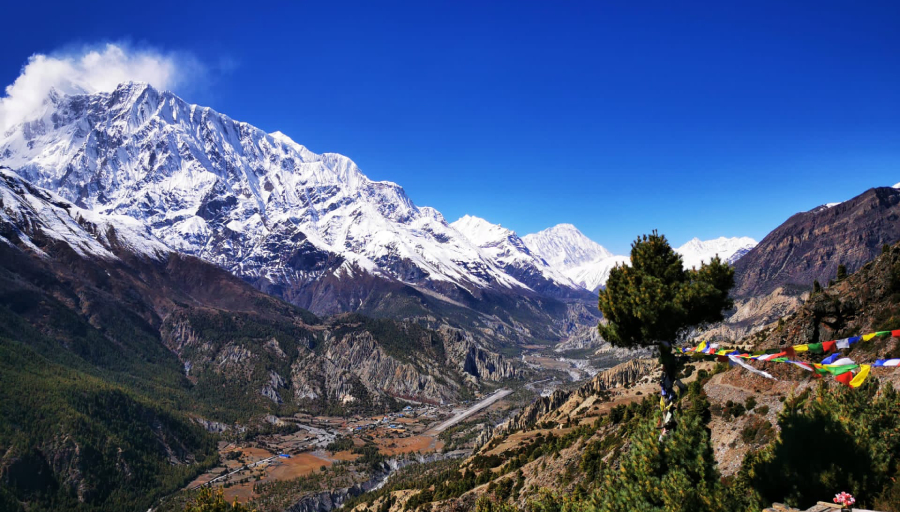
This panoramic view captures the majestic beauty of the Annapurna range. The snow-capped peaks against the clear blue sky illustrate the breathtaking scenery that awaits trekkers, reinforcing the unparalleled beauty of the region despite modernization.
Elevation Profile (Approximate):
- Besishahar: 820m / 2,690 ft
- Chame: 2,670m / 8,760 ft
- Manang: 3,540m / 11,614 ft
- Thorong La Pass: 5,416m / 17,769 ft
- Muktinath: 3,800m / 12,467 ft
- Jomsom: 2,743m / 8,999 ft
(Note: Actual elevations may vary slightly)
(Consider embedding a visual map of the Annapurna Circuit here)
2. Cultural Etiquette on the Trail: Respecting Local Culture Annapurna Circuit Trek
Traveling responsibly means respecting the local culture. The Annapurna region is home to diverse ethnic groups with unique traditions, and your behavior can significantly impact their lives.
- Attire: Dress modestly, especially when passing through villages or visiting religious sites. Avoid overly revealing clothing such as tank tops and short shorts.
- Greetings: Learn a few basic Nepali phrases, such as "Namaste" (hello) and "Dhanyabad" (thank you). A simple "Namaste" with a slight bow goes a long way.
- Photography: Always ask permission before taking photos of people, homes, or religious objects. Some locals may be uncomfortable with having their picture taken, and it's essential to respect their wishes.
- Gift-Giving: Instead of giving candy or money to children, consider bringing school supplies like pencils, notebooks, or art materials. Purchase local handicrafts to support the local economy.
- Gestures: Avoid using your left hand to give or receive items, as it's considered unclean in Nepali culture.
Learning even a few basic Nepali phrases will greatly enhance your interactions and demonstrate your respect for the local culture.
3. Sustainable Trekking Practices: Annapurna Circuit Eco-Friendly Travel
Minimizing your environmental impact is crucial for preserving the pristine beauty of the Annapurna region. Here are some practical steps you can take:
- Water: Use a reusable water bottle and purify water using a SteriPen, purification tablets, or a filter. Avoid buying single-use plastic water bottles.
- Waste: Pack out all trash, including wrappers, batteries, and toilet paper. Dispose of waste responsibly in designated areas.
- Teahouses: Support eco-friendly teahouses that have implemented sustainable practices, such as solar power, waste recycling, and water conservation.
- Plastics: Avoid single-use plastics whenever possible. Bring your own reusable shopping bag, cutlery, and containers.
- Leave No Trace: Adhere to the principles of Leave No Trace, which include minimizing campfire impacts, respecting wildlife, and leaving the environment as you found it.
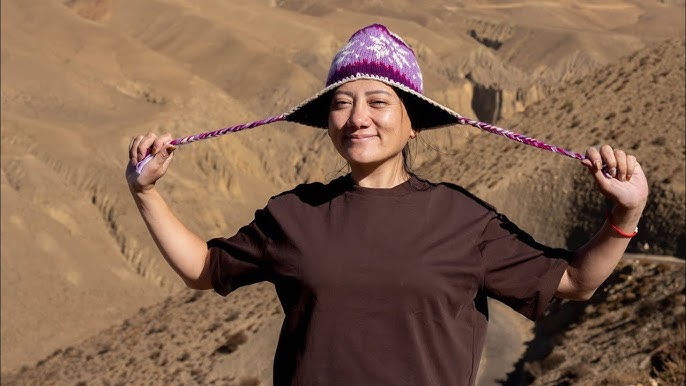
This image shows the practical implementation of sustainable trekking, as a trekker uses a reusable bottle. This highlights the effort to reduce plastic waste and conserve the environment's beauty, showing the active steps travelers can take.
4. Key Villages: Manang, Muktinath, and Jomsom
Manang:
Manang, situated at a high altitude, offers a unique blend of Tibetan-influenced culture and stunning mountain views. The local dialect and traditions reflect its proximity to the Tibetan plateau. Acclimatization is crucial in Manang; spend at least two nights here, taking day hikes to higher elevations to prepare your body for Thorong La Pass.
We recommend staying at the family-run "Yak Hotel" or "Tilicho Hotel", which support local livelihoods and provide a comfortable and authentic experience. These guesthouses actively contribute to the community, ensuring your tourism dollars directly benefit local families.
Muktinath:
Muktinath Temple is a sacred site for both Hindus and Buddhists, attracting pilgrims from around the world. The temple is famous for its 108 water spouts, symbolizing purity, and the eternal flame, representing the elements of earth, fire, water, and air. The history and mythology surrounding Muktinath are deeply intertwined with both Hindu and Buddhist beliefs.
Enjoy traditional Nepali cuisine at "Bob Marley Restaurant" or "Hotel Peace", both known for serving delicious Dal Bhat and other local specialties. These restaurants use locally sourced ingredients, supporting local farmers and providing an authentic culinary experience.
Jomsom:
Jomsom serves as a transportation hub, with its airport connecting the region to Pokhara. The landscape is dramatically influenced by the Kali Gandaki Gorge, the world's deepest gorge. Jomsom is also home to the Thakali people, known for their distinctive culture and cuisine. Be sure to try Thakali Thali, a flavorful set meal featuring local ingredients.
Consider booking your trek with "Himalayan Eco Treks" or "Adventure Hub Nepal," tour operators based in Jomsom that hire local guides and prioritize responsible trekking practices. They are committed to fair wages and ethical treatment of porters, ensuring your trek contributes positively to the local community.
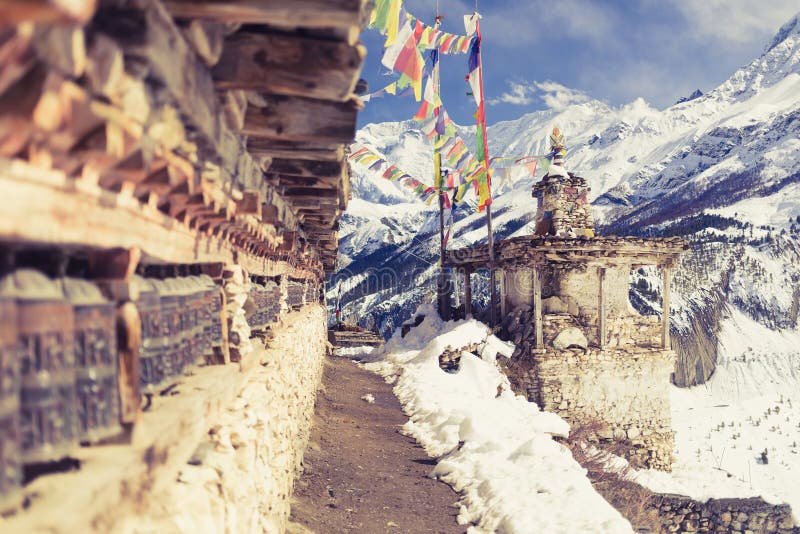
This image symbolizes the warmth and hospitality found in local teahouses. The vibrant prayer flags add a cultural touch, demonstrating the unique and welcoming atmosphere where travelers can rest and connect with the local culture.
5. Annapurna Circuit Logistics
Permit Requirements:
- Annapurna Conservation Area Permit (ACAP): Required for all trekkers entering the Annapurna Conservation Area. Cost is approximately NPR 3,000 (subject to change).
- Trekkers' Information Management System (TIMS) card: Required for all trekkers in Nepal. Cost is approximately NPR 2,000 (subject to change).
Permits can be obtained in Kathmandu or Pokhara at the Nepal Tourism Board offices or through registered trekking agencies. Ensure you have copies of your passport and visa, as well as passport-sized photos.
Suggested Itineraries:
12-Day Itinerary (Highlights):
- Day 1: Arrival in Kathmandu, permit preparation.
- Day 2: Drive to Besishahar, trek to Ngadi.
- Day 3: Trek to Jagat.
- Day 4: Trek to Dharapani.
- Day 5: Trek to Chame.
- Day 6: Trek to Upper Pisang.
- Day 7: Trek to Manang (acclimatization).
- Day 8: Acclimatization day in Manang.
- Day 9: Trek to Yak Kharka.
- Day 10: Trek to Thorong Phedi.
- Day 11: Trek to Muktinath via Thorong La Pass.
- Day 12: Drive to Jomsom, fly to Pokhara.
15-Day Itinerary (Cultural Immersion):
- Days 1-12: Same as the 12-day itinerary.
- Day 13: Explore Muktinath, trek to Kagbeni.
- Day 14: Trek to Marpha, known for its apple orchards.
- Day 15: Trek to Jomsom, fly to Pokhara.
(Estimated daily trekking times range from 5-7 hours, with elevation gains varying depending on the day.)
Essential Packing List for Cultural Sensitivity and Environmental Responsibility:
- Modest clothing (long pants, shirts with sleeves)
- Reusable water bottle and water filter/SteriPen
- Reusable shopping bag
- Biodegradable soap and shampoo
- Headlamp
- Sunscreen and hat
- First-aid kit
- Toilet paper and hand sanitizer
- Snacks (energy bars, nuts, dried fruit)
- Camera and extra batteries
- Comfortable trekking shoes
- Warm layers (fleece jacket, down jacket)
- Rain gear
- Passport, visa, and permits
- Cash (Nepali Rupees)
Remember to pack light to reduce the weight carried by porters.
6. Supporting Local Communities: Annapurna Circuit Community-Based Tourism
Your travel choices can directly impact the lives of local communities. Here’s how you can support them:
- Handicrafts: Buy locally made handicrafts, such as pashmina shawls, prayer flags, and woolen items.
- Restaurants: Eat at family-run restaurants, savoring traditional Nepali dishes like Dal Bhat (rice, lentils, and vegetables).
- Guides and Porters: Hire local guides and porters through reputable agencies that ensure fair wages and ethical working conditions.
- Accommodation: Stay in locally owned guesthouses and lodges rather than international chains.
Conclusion
Embarking on the Annapurna Circuit is an incredible adventure, offering breathtaking scenery and profound cultural experiences. By following the principles of sustainable tourism Annapurna Circuit Nepal, you can minimize your environmental impact, respect local traditions, and support the local economy. Remember to dress modestly, learn basic Nepali phrases, use reusable water bottles, pack out your trash, and support local businesses. Join VistaLocation.com in our commitment to responsible travel. We partner with local communities and prioritize ethical tourism practices, ensuring your journey leaves a positive impact.
Ready to experience the magic of the Annapurna Circuit responsibly? Book your adventure today through VistaLocation.com! Annapurna Circuit Tours