Annapurna Awakening: A Conscious Trek to Base Ca...
The Annapurna region of Nepal, a majestic tapestry of towering peaks and vibrant cultures, has always held a profound allure for adventurers. The Annapurna Base Camp (ABC) trek, in particular, beckoned with its promise of breathtaking landscapes and a deep immersion into the heart of the Himalayas. But more than just a physical challenge, I envisioned this journey as an opportunity for conscious adventure travel, a chance to reflect on the impact of tourism and contribute positively to the communities and environment I would be traversing. As a responsible traveler, the ethical considerations surrounding tourism in Nepal were at the forefront of my mind; choosing a path that minimized environmental impact, supported local economies, and respected cultural traditions became my guiding principle. This is my journey of ethical trekking Annapurna Nepal.
Day 3: A Morning of Reflection in Chhomrong
The sun's first rays painted the sky in hues of orange and pink as I made my way to a small Buddhist monastery nestled near Chhomrong. The air was crisp and carried the faint scent of pine and earth. I slipped off my boots at the entrance and stepped inside, joining a handful of locals for the morning prayer ceremony. The rhythmic chanting, led by a wizened monk with kind eyes, filled the small space. The smell of incense swirled around me, creating a palpable sense of peace and tranquility. Though I didn't understand the words, the vibrations resonated within me, grounding me in the present moment. It was a powerful reminder of the interconnectedness of all things and the importance of approaching this trek with humility and respect.

Day 5: Tea and Tales in Sinuwa Village
Sinuwa village, perched on the steep slopes, offered not only stunning views but also a chance to connect with the local Gurung community. I was invited into the home of a Gurung family, where I participated in a traditional tea ceremony. The matriarch, her face etched with the wisdom of generations, meticulously prepared the tea over an open fire. She toasted the grains, boiled the water, and added a pinch of salt and butter. The resulting brew was rich, earthy, and surprisingly satisfying. As we sipped tea, we shared stories – me about my life in the West, and them about their daily struggles and joys. I learned about the economic impact of tourism on their village, how it provided income but also brought challenges like rising prices and changing cultural norms. Supporting local businesses is key to sustainable ABC trek October.
Traversing the Landscapes: From Subtropical Valleys to Alpine Meadows
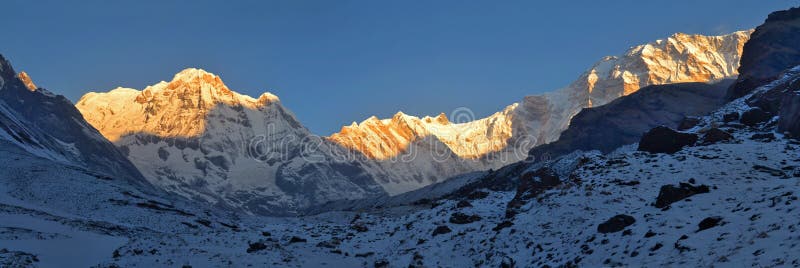
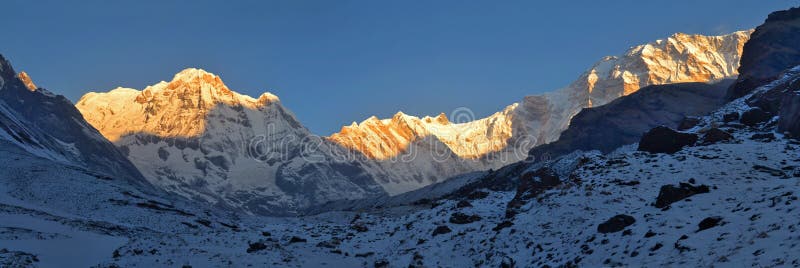
The trek itself was a visual feast. Starting near Pokhara, we passed through subtropical valleys teeming with lush vegetation. As we ascended, the landscape transformed, giving way to dense rhododendron forests – a vibrant tapestry of red, pink, and white when they were in bloom between Chomrong and Dobhan. Navigating suspension bridges over the Modi Khola River, its waters roaring with glacial melt, added an element of excitement. Above 3000 meters, the air thinned, and the challenges of acclimatization became apparent. Near Deurali, I experienced mild altitude sickness – a throbbing headache and shortness of breath – a stark reminder of the mountain's power and the importance of listening to my body. The alpine meadows around Machhapuchhre Base Camp (MBC) were breathtaking, offering panoramic views of Machhapuchhre (Fishtail) mountain, its iconic peak piercing the sky. Finally, closer to ABC, the landscape became stark and glacial, a reminder of the profound impact of climate change on these fragile ecosystems.
Lodge Life Along the Trail
Along the trek, I stayed at a variety of lodges. In Landruk, the "Fishtail Lodge" provided a comfortable and welcoming respite. I made a conscious effort to support locally owned establishments that prioritized sustainable practices. I learned about ABC trek eco-friendly lodges and chose my accommodations carefully.
Dal Bhat, Thukpa, and Momos: A Culinary Journey
The food along the Annapurna Base Camp trek was a delightful exploration of Nepali cuisine. Dal bhat, a staple dish of lentil soup, rice, and vegetables, was a constant source of sustenance. Each village offered its own unique twist, with variations in spice levels and ingredients. The dal bhat in Ghandruk, for instance, was noticeably milder than the spicier version I encountered in Deurali. Thukpa (noodle soup) and momos (dumplings) were also popular choices, with local variations adding to the culinary adventure.
Ethical Eating: Minimizing Waste
However, food consumption during the trek also raised ethical considerations. Food waste is a significant problem in many trekking regions. I made a conscious effort to minimize my impact by only ordering what I could finish and supporting lodges committed to sustainable practices. I always packed out any wrappers or food scraps. When exploring food options, asking "What is the best dal bhat vegetarian Annapurna trek?" led to unique experiences.
Permits and Logistics: Navigating the Red Tape
Before embarking on the ABC trek, it's essential to obtain the necessary permits: a TIMS (Trekkers' Information Management System) card and an ACAP (Annapurna Conservation Area Permit). These can be obtained in Kathmandu or Pokhara, with associated costs varying depending on the type of permit and duration of stay. Logistical considerations also include hiring a guide/porter and securing travel insurance that covers high-altitude trekking and helicopter evacuation. A responsible travel guide Annapurna region can assist with this.
The Importance of Travel Insurance
Travel insurance is not optional. High-altitude trekking comes with inherent risks, and helicopter evacuation can be incredibly expensive. Ensure your policy covers these eventualities.
The Impact of Tourism: A Double-Edged Sword
The Annapurna region has experienced significant development due to tourism, bringing both positive and negative consequences. Increased infrastructure, such as lodges and trails, has improved accessibility and comfort for trekkers. However, this development has also led to environmental degradation, including deforestation, pollution, and waste accumulation. Cultural commodification is another concern, as traditional practices are sometimes altered or staged to cater to tourist expectations. What is the environmental impact of the Annapurna Base Camp trek?
Waste Management: A Growing Challenge
Waste management practices vary significantly along the trail. Some villages have implemented effective recycling programs, while others struggle to cope with the volume of trash generated by trekkers. I observed firsthand the overflowing bins and littered trails in certain areas, a stark reminder of the need for greater awareness and responsible waste disposal.
A Call to Action: Trekking with Purpose
As you plan your own adventure in the Annapurna region, I urge you to consider the impact of your choices and embrace the principles of Annapurna Base Camp Trek Responsible Tourism.
- Support local businesses: Choose lodges, tea houses, and guides/porters committed to sustainable practices and fair wages. Researching sustainable tea houses Ghorepani is a great start.
- Respect the environment: Pack out all trash, minimize water usage, and avoid single-use plastics. Learn how to minimize environmental impact on Annapurna trek.
- Promote responsible trekking: Stick to marked trails, avoid disturbing wildlife, and be mindful of local customs and traditions.
- Engage with the local culture: Take the time to learn about the Gurung people, their traditions, and their challenges. Participating in a tea ceremony or visiting a local monastery are great ways to connect with the community.
- Choose ethical trekking agencies: Be sure to look into ethical Annapurna Base Camp trek with local guides.
The Annapurna Base Camp trek is more than just a journey to a spectacular destination; it's an opportunity for personal growth, cultural immersion, and environmental stewardship. By embracing conscious adventure travel, we can leave a positive impact on the communities and ecosystems we encounter, creating a more sustainable and enriching experience for all. Embark on your own mindful journey in Nepal, and remember to leave a positive impact. Be sure to investigate Annapurna Base Camp trek responsible waste management.