Ancient Shores and Submerged Sanctuaries: Relaxi...
Imagine a beach… but not as you know it. Forget golden sands and crashing waves for a moment. Instead, picture yourself standing on the frozen expanse of the world’s oldest lake, floating effortlessly in water so dense it defies gravity, or snorkeling amidst a kaleidoscope of coral teeming with life. These aren't your average shores; they're ancient, unique, and offer profound experiences for the mind, body, and soul. Join us as we explore three extraordinary destinations: Lake Baikal, The Great Barrier Reef, and the Dead Sea, and discover how you can relax on the edge of time. We'll also delve into the importance of sustainable Baikal tourism and how you can travel responsibly.
Lake Baikal: Siberia's Frozen Jewel
Lake Baikal, a UNESCO World Heritage site nestled in the heart of Siberia, is the world’s oldest and deepest lake. This natural wonder holds approximately 20% of the world's unfrozen fresh water. But its significance goes beyond its size and age. Lake Baikal is a biodiversity hotspot, home to thousands of unique plant and animal species, including the Nerpa seal, the only freshwater seal in the world.
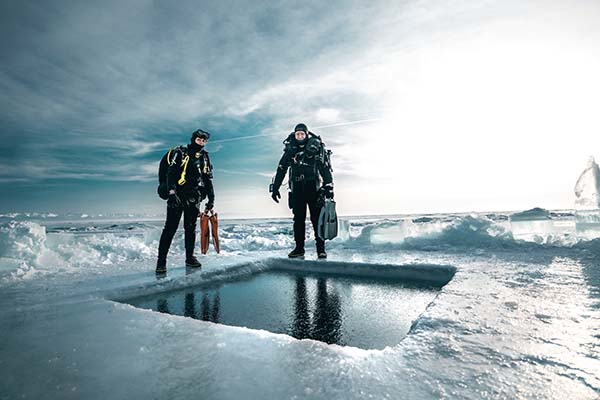
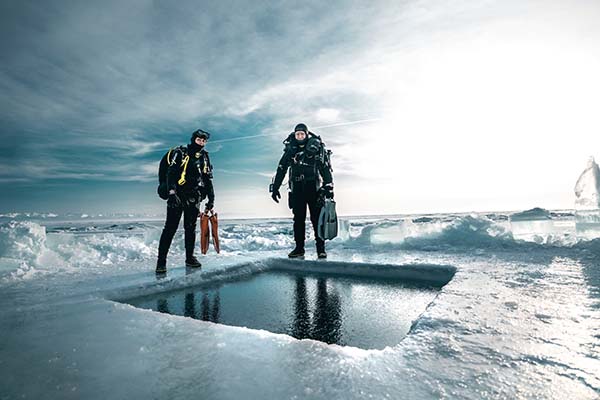
In winter, Lake Baikal transforms into a mesmerizing wonderland of ice. The lake freezes over completely, creating a vast, shimmering surface of crystal-clear ice, often adorned with stunning turquoise ice hummocks and ice caves. This spectacle attracts travelers from around the globe, eager to witness its unparalleled beauty. Ice trekking, dog sledding, and ice fishing are popular activities, offering a unique way to experience this frozen paradise. The best time to visit Lake Baikal for ice is typically from late January to early March, when the ice is thickest and clearest.
Breathing in the Siberian Air: A Modified Wim Hof Experience
Embrace the invigorating chill of Lake Baikal with a modified Wim Hof Method breathing exercise. Find a safe spot on the icy shore, ensuring you're wearing appropriate warm clothing, including insulated boots, gloves, and a hat. Sit comfortably and begin with 30 deep breaths, inhaling deeply and exhaling fully. After the last exhale, hold your breath for as long as comfortable. Repeat this cycle 3-4 times.
Safety First: Never practice breath-holding exercises alone, especially in extreme environments. Ensure someone is with you and aware of your activity. Listen to your body and stop if you feel any discomfort or dizziness.
This practice, combined with the crisp Siberian air and the awe-inspiring scenery, can create a profound sense of connection to nature and inner peace.
Baikal's Endemic Species and Tourism's Impact
Lake Baikal is home to an extraordinary number of Baikal endemic species tourism impact, which are species found nowhere else on Earth. These include the Nerpa seal, the Baikal oil fish, and numerous species of invertebrates. This unique biodiversity makes Lake Baikal a critical area for conservation.
Tourism, while beneficial to the local economy, can also have a negative impact on the environment. It's essential to choose eco-conscious tour operators who prioritize responsible waste management, minimize their carbon footprint, and support local communities.
The Great Barrier Reef: A Symphony of Coral
The Great Barrier Reef, located off the coast of Queensland, Australia, is the world's largest coral reef system. A UNESCO World Heritage Site, it comprises over 3,000 individual reefs, 600 islands and is home to an astounding array of marine life, including colorful fish, sea turtles, dolphins, and sharks.
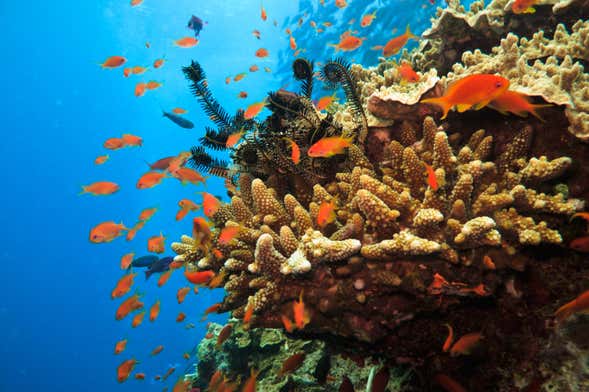
Snorkeling and diving are the most popular ways to experience the Great Barrier Reef. Imagine gliding through crystal-clear waters, surrounded by vibrant coral gardens and teeming with marine life. The reef offers something for everyone, from beginner snorkelers to experienced scuba divers. Numerous Great Barrier Reef diving tours are available.
Ocean Breath: Finding Harmony in the Reef
While floating in a designated snorkeling area, practice Ujjayi breath, also known as Ocean Breath. Close your eyes (if comfortable) and focus on the sound of your breath, gently constricting the back of your throat as you inhale and exhale. This creates a soft, oceanic sound, mimicking the rhythm of the waves. Let the gentle rocking of the water and the sound of your breath lull you into a state of deep relaxation.
This practice encourages mindfulness and allows you to fully immerse yourself in the beauty and tranquility of the reef.
Snorkeling Great Barrier Reef Conservation
The Great Barrier Reef faces numerous threats, including coral bleaching caused by rising ocean temperatures, pollution, and unsustainable fishing practices. It's crucial to practice responsible snorkeling habits to minimize your impact on this fragile ecosystem. Always choose reef-safe sunscreen, avoid touching or standing on coral, and dispose of your trash properly. Consider participating in Great Barrier Reef volunteer conservation programs.
Support tour operators committed to sustainable tourism practices, such as those accredited by the Green Tourism program. Respectful and conscientious tourism is key to preserving this natural wonder for future generations.
The Dead Sea: Float Away Your Worries
The Dead Sea, bordering Israel and Jordan, is a hypersaline lake known for its incredibly high salt concentration. This unique characteristic makes it virtually impossible to sink, allowing visitors to effortlessly float on its surface. The Dead Sea is also rich in minerals, which are believed to have therapeutic benefits for the skin and body. Many visit to experience Dead Sea mud therapy benefits.
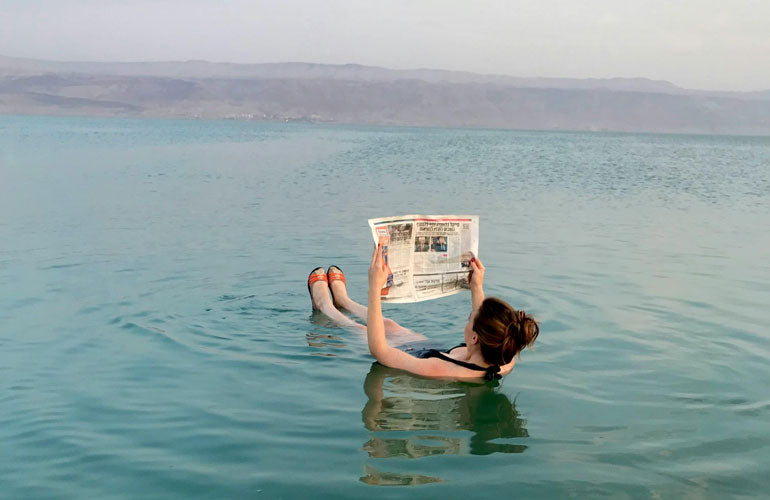
The experience of floating in the Dead Sea is truly unique. The buoyancy is unlike anything else, creating a sensation of weightlessness and deep relaxation. Covering yourself in the mineral-rich mud is also a popular activity, believed to cleanse and rejuvenate the skin. The Dead Sea mud mask benefits for skin are widely known.
Mindful Floating: Surrendering to the Sea
As you float effortlessly in the Dead Sea, close your eyes and focus on your breath. Feel the support of the water beneath you, allowing your body to completely relax. Gently stretch your limbs, feeling the tension release from your muscles. Practice mindful awareness, noticing the sensations in your body and the sounds around you.
The high mineral content of the Dead Sea can be absorbed through the skin, potentially easing muscle aches and joint pain.
Dead Sea Health Benefits and Mineral Mud
The Dead Sea's unique composition offers potential health benefits. The high concentration of magnesium, potassium, and calcium is believed to alleviate skin conditions like psoriasis and eczema. The mineral-rich mud is also thought to improve circulation and reduce inflammation. However, it is important to consult with a healthcare professional before using Dead Sea products or treatments, especially if you have any underlying health conditions. Many visitors come to the Dead Sea seeking relief, hoping to experience these potential wellness advantages firsthand.
Preserving Paradise: Carbon Offsetting Your Journey
As travelers, we have a responsibility to minimize our impact on the environment. Air travel contributes significantly to carbon emissions, so it's essential to consider the environmental impact of your journey. One way to mitigate your carbon footprint is by calculating and offsetting your travel emissions.
The Gold Standard https://www.goldstandard.org/ is a leading carbon offsetting program that supports projects that reduce carbon emissions and promote sustainable development. By investing in Gold Standard-certified projects, you can help offset the environmental impact of your travels and contribute to a more sustainable future.
Calculate your carbon footprint using an online calculator and then purchase carbon credits through the Gold Standard website. These credits fund projects like renewable energy initiatives, reforestation efforts, and community development programs. This allows you to travel with a clearer conscience, knowing you're making a positive impact on the planet. Remember, choosing sustainable Baikal tourism, responsible Great Barrier Reef tourism, and eco-conscious practices at the Dead Sea are vital for preserving these ancient shores for future generations.
Conclusion
These ancient shores and submerged sanctuaries offer more than just relaxation; they offer a chance to connect with nature, explore unique landscapes, and discover the profound benefits of mindful travel. From the frozen depths of Lake Baikal to the vibrant coral gardens of the Great Barrier Reef and the buoyant waters of the Dead Sea, each destination provides an unforgettable experience. Embrace these unique places responsibly, offsetting your carbon footprint and supporting sustainable tourism practices.
Ready to embark on your own adventure to these ancient shores? Visit Vistalocation.com to start planning your trip today! Discover our Great Barrier Reef tour packages and experience the magic firsthand.