Amangiri: Where Luxury Whispers to the Desert –...
As a landscape architect with a decade of experience specializing in sustainable design, I've always been fascinated by spaces where architecture and nature exist not just side-by-side, but in profound harmony. So, when the opportunity arose to visit Amangiri, a resort nestled in the heart of Canyon Point, Utah, I jumped at the chance. My mission: to experience firsthand how this luxury destination embraced – or perhaps, even redefined – the principles of sustainable design.
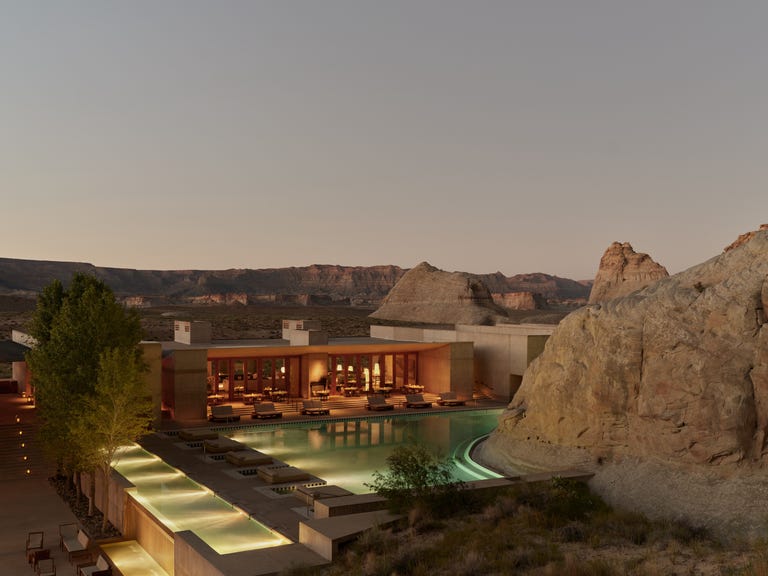
My journey began before dawn. I woke just before sunrise, eager to witness the resort bathed in the soft, ethereal light of the desert morning. This was when I knew I’d have to capture the essence of Amangiri – the way the structures emerged from the landscape, the play of shadows, the sheer artistry of its integration.
The Art of Minimal Impact: A Symphony in Stone and Light
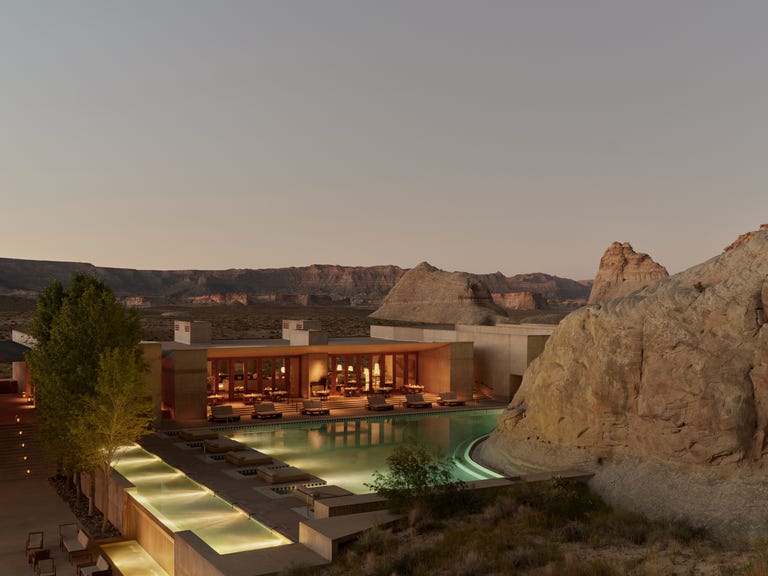
From an architectural standpoint, Amangiri is a masterpiece of minimal impact construction. The resort doesn't impose itself on the landscape; rather, it emerges organically from it. The key to this seamless integration lies in the thoughtful selection and use of materials.
One of the most striking aspects of the design is the extensive use of concrete. However, this isn't just any concrete. The aggregate was sourced directly from the site itself, ensuring a perfect color match with the surrounding rock formations. This subtle detail speaks volumes about the level of care and attention given to minimizing the resort's visual footprint.
The use of locally sourced wood further enhances this connection to the environment. The clean lines and simple forms of the structures echo the stark beauty of the desert, creating a sense of quiet elegance that is both luxurious and understated. Canyon Point Minimal Impact Construction is more than just a design choice; it's a philosophy embedded in every aspect of Amangiri's existence.
Conserving the Desert's Precious Resource: Water Wisdom
In the arid landscape of Utah, water is a precious commodity. Amangiri's commitment to water conservation is evident in its innovative and comprehensive strategies. The resort employs a sophisticated rainwater harvesting system, capturing and storing rainwater for various uses, including irrigation and non-potable water needs.
Furthermore, the landscaping is a testament to the principles of xeriscaping. Native plant species, adapted to the desert environment, are used extensively throughout the property. These plants not only require minimal irrigation but also provide habitat for local wildlife, further enhancing the resort's ecological value. Amangiri Water Conservation isn't just about reducing water consumption; it's about respecting and preserving the delicate balance of the desert ecosystem.

Honoring the Navajo Nation: A Tapestry of Culture and Connection
Beyond its physical design, Amangiri's commitment to sustainability extends to its relationship with the surrounding Navajo Nation. The resort recognizes and respects the rich cultural heritage of the Navajo people and actively seeks to foster meaningful connections between guests and the local community.
Opportunities abound for guests to engage with and learn about Navajo culture in a respectful and responsible manner. Guided hikes led by knowledgeable Navajo guides offer a unique perspective on the region's history, ecology, and traditions. These hikes are not just walks in the desert; they are immersive experiences that provide invaluable insights into the Navajo way of life.
Amangiri also supports local Navajo artisans and craftspeople, providing a platform for them to showcase and sell their work. This not only helps to preserve traditional crafts but also provides economic opportunities for the community. Amangiri Navajo Nation Collaboration is a model for how luxury resorts can partner with indigenous communities in a way that is both ethical and mutually beneficial.
A Beacon of Sustainable Luxury: My Key Takeaways
My time at Amangiri was more than just a vacation; it was an education. As a landscape architect, I was deeply impressed by the resort's unwavering commitment to sustainable design practices. From its minimal impact construction techniques to its water conservation strategies and its respectful engagement with the Navajo Nation, Amangiri sets a new standard for eco-luxury.
Amangiri serves as an inspiring example of how luxury and sustainability can not only coexist but also enhance one another. The resort demonstrates that it is possible to create a truly exceptional guest experience without compromising the integrity of the environment or the well-being of the local community. It proves that luxury can be responsible, and that sustainability can be beautiful.
Key Takeaways:
- Luxury Sustainable Desert Resort Utah: Amangiri is a shining example of how to blend high-end hospitality with environmentally conscious practices in a sensitive ecosystem.
- Amangiri Sustainable Architecture Review: The resort's design prioritizes minimizing its footprint and maximizing its connection to the natural surroundings.
- Eco-Luxury Canyon Point Resort: Amangiri provides a unique experience that balances indulgence with ecological responsibility.
- Book Amangiri sustainable design stay: For travelers seeking an unforgettable escape that aligns with their values, Amangiri is a must-visit destination.
Amangiri is more than just a resort; it is a testament to the power of thoughtful design and a beacon of hope for a more sustainable future. It's a place where the whispers of the desert tell a story of harmony, respect, and enduring beauty. And as I packed my bags, I left with a renewed sense of optimism, knowing that places like Amangiri are paving the way for a new era of responsible luxury travel.