Akagera National Park: A Transformative Journey...
Rwanda, the land of a thousand hills, holds a gem within its borders: Akagera National Park. More than just a safari destination, Akagera is a testament to the power of conservation and the beauty of restored ecosystems. My recent journey to this remarkable park was a deeply moving experience, one that intertwined cultural immersion, breathtaking wildlife encounters, and a profound appreciation for sustainable tourism. From the poignant Kwita Izina ceremony to thrilling walking safaris and community cooking classes, Akagera offered a unique and unforgettable adventure. It’s a park demonstrating Akagera Conservation Tourism at its finest.
Kwita Izina: A Celebration of Life
My adventure began with a privilege – attending the Kwita Izina, Rwanda's annual gorilla naming ceremony. This deeply cultural event is far more than just a symbolic gesture; it's a celebration of the precious lives of newborn gorillas and a testament to the dedication of conservationists. Witnessing the vibrant traditional dances, hearing the heartfelt speeches from community leaders and conservation heroes, and participating in the collective hope for the future of these magnificent creatures was incredibly moving. Each name carries a story, a wish for prosperity, and a connection to the Rwandan people.
The Rhythms of Rwanda: The Intore Dance
Following Kwita Izina, I was captivated by a performance of the Intore Dance, a traditional Rwandan dance showcasing strength, agility, and cultural pride. The vibrant costumes, adorned with intricate patterns and bold colors, were visually stunning. But it was the powerful drumming, resonating deep within my chest, and the energetic movements of the dancers that truly brought the story to life. The Intore Dance tells tales of Rwandan history, bravery, and community, offering a profound insight into the nation's rich heritage. Experiencing the Intore Dance Rwanda Akagera enhanced my trip so much.
Walking with Nature: A Birdwatcher's Paradise
Akagera truly revealed itself during a guided walking safari. Stepping out of the safari vehicle and immersing myself in the bush was an exhilarating experience. Our knowledgeable guide pointed out the subtle signs of wildlife, from fresh footprints to the rustling of leaves, heightening my senses. But it was the birdlife that truly stole the show. Akagera is a birdwatcher's paradise, boasting over 500 species.
My highlight was undoubtedly the encounter with the elusive shoebill stork. These prehistoric-looking birds, with their massive beaks and solemn expressions, are a rare sight to behold. Spotting a pair of them wading through the papyrus swamps was a dream come true. Other avian gems included the vibrant Ross's turaco, the colorful lilac-breasted roller, and the majestic African fish eagle. Birdwatching Akagera National Park is a must for bird enthusiasts.
What animals can you see in Akagera National Park?
You can see a diverse range of animals in Akagera National Park, including lions, rhinos, giraffes, elephants, zebras, hippos, crocodiles, and a variety of antelope species, as well as over 500 species of birds.
Drifting on Lake Ihema: A Water Safari
A canoe trip on Lake Ihema offered a different perspective on Akagera's wildlife. Gliding silently across the tranquil waters, we observed hippos wallowing in the shallows, their massive bodies submerged except for their watchful eyes and nostrils. Crocodiles basked lazily on the banks, their scaly hides blending seamlessly with the mud. The lake was also teeming with birdlife, from colorful kingfishers darting across the water to majestic herons patiently stalking their prey. The Lake Ihema Akagera Boat Trip was serene and full of wildlife.
A Taste of Rwanda: A Community Cooking Class
Beyond the wildlife encounters, I was eager to connect with the local Rwandan culture. A community tourism experience provided the perfect opportunity. I participated in a cooking class with a local Rwandan family, learning to prepare traditional dishes. We made brochettes (grilled meat skewers) marinated in flavorful spices, isombe (mashed cassava leaves), and agashya (a fiery chili sauce). The family welcomed me with open arms, sharing their stories and traditions as we cooked together.
Isombe Recipe
Ingredients: Cassava leaves, onions, tomatoes, eggplant, spinach, oil, salt, pepper. Instructions: Wash and grind cassava leaves. Sauté onions and tomatoes, then add eggplant and spinach. Add cassava leaves and cook until tender. Season with salt and pepper.
Akagera's Landscape: A Symphony of Ecosystems
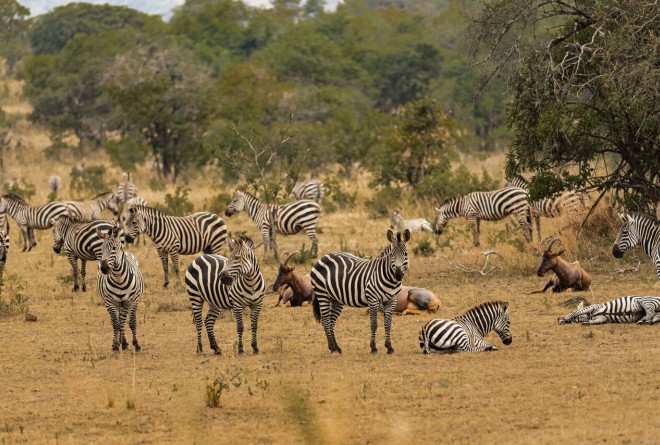
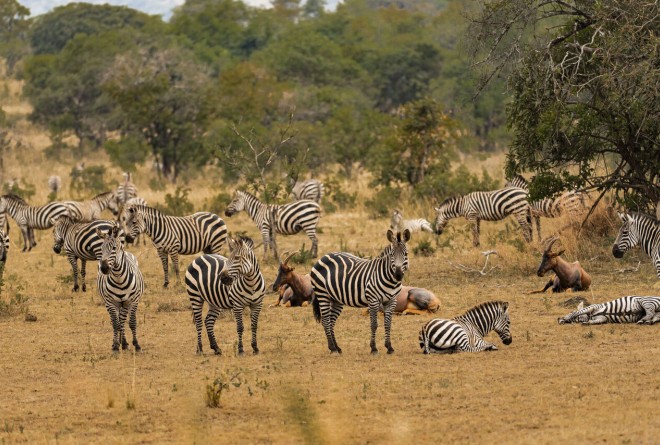
Akagera's landscape is a tapestry of diverse ecosystems. The vast savannah stretches as far as the eye can see, dotted with acacia trees and grazing wildlife. Woodland areas offer shade and shelter, while swamp ecosystems provide a vital habitat for birds and aquatic life. The park's varied terrain supports a remarkable range of species and contributes to its overall biodiversity. This Savanna ecosystem is vital to the animal populations.
The Lions Roar Again: A Conservation Success Story
Akagera’s story is one of remarkable transformation. Once decimated by poaching and human encroachment, the park has undergone a dramatic revitalization thanks to the partnership between the Rwanda Development Board (RDB) and African Parks https://www.africanparks.org/. The reintroduction of lions and rhinos, alongside intensified anti-poaching efforts and community engagement programs, has been instrumental in Akagera's success. Witnessing the thriving wildlife populations, including lions, rhinos, and giraffes, was a testament to the effectiveness of these conservation efforts. Seeing the Akagera Park Rhino Reintroduction efforts in action was truly inspiring.
Why is Akagera National Park a conservation success story?
Akagera National Park is a conservation success story due to the successful reintroduction of key species like lions and rhinos, effective anti-poaching measures, and strong community engagement, all managed through a partnership between the Rwanda Development Board and African Parks.
Sustainable Tourism: A Path to the Future
Akagera is committed to sustainable tourism, ensuring that tourism benefits both the local communities and the environment. Eco-lodges within the park minimize their environmental impact, while community-based tourism initiatives provide economic opportunities for local residents. By supporting these initiatives, visitors can contribute to the long-term conservation of Akagera and its surrounding communities. This commitment to Sustainable Tourism Rwanda makes Akagera a model for other parks.
Akagera National Park Travel Guide
Planning a trip? Here are a few things to keep in mind. The best time to visit Akagera National Park Rwanda is during the dry season (June to September) for optimal wildlife viewing. You can fly into Kigali International Airport and arrange for transport to Akagera, which is about a 2.5-hour drive. There is a range of Akagera National Park Accommodation available, from luxury lodges to more budget-friendly options. You should also be prepared to pay park entrance fees.
How much does it cost to visit Akagera National Park?
Park entrance fees vary depending on residency status and the length of your stay. As of late 2024, expect to pay around $50-$75 USD per person per day for international visitors, plus additional fees for activities like game drives and boat trips.
A Transformative Journey
My journey through Akagera National Park was more than just a safari; it was a transformative experience. Witnessing the resilience of nature, the beauty of Rwandan culture, and the power of community-based conservation left an indelible mark on my soul. I left Akagera with a renewed sense of hope for the future of our planet and a deep appreciation for the transformative power of responsible travel. I would highly recommend a Rwanda Wildlife Safari to anyone looking for an adventure.

The above image shows a typical landscape scene in Akagera National Park, showcasing the blend of savanna, woodlands, and wetlands. It relates to the section discussing Akagera's diverse ecosystems by giving viewers a visual representation of these varied environments.
Ready to Experience Akagera?
Start planning your unforgettable adventure today! Visit vistalocation.com to explore tour options, book accommodations, and learn more about Akagera National Park Travel Guide. Discover the magic of Rwanda and contribute to a brighter future for wildlife conservation!
Book your tour now!