Aitutaki: A Marine Biologist's Quest for Sustain...
Aitutaki. The name alone conjures images of turquoise waters, swaying palms, and pristine beaches. As a marine biologist specializing in coral reef health, I’ve spent years studying the devastating effects of coral bleaching across the Pacific. But my recent trip to Aitutaki, Cook Islands, wasn't just another research expedition. It was a personal journey to witness the beauty of a thriving lagoon and assess the sustainability practices of its local tourism operators. Could this be a model for Aitutaki sustainable tourism, or were the pressures of tourism already taking their toll? Join me as I explore this island paradise and share my findings, offering insights for fellow eco-conscious travelers.
First Impressions: Turquoise Dreams and Volcanic Visions
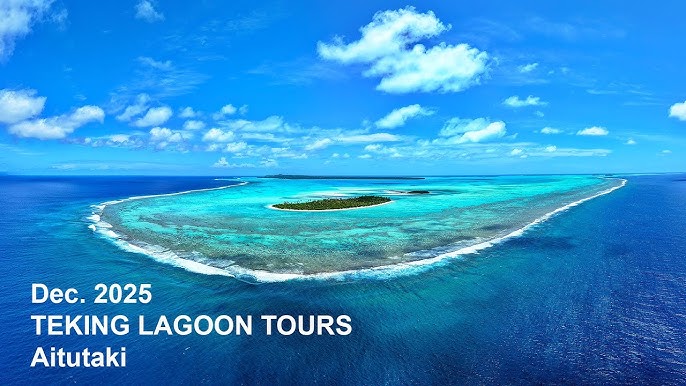
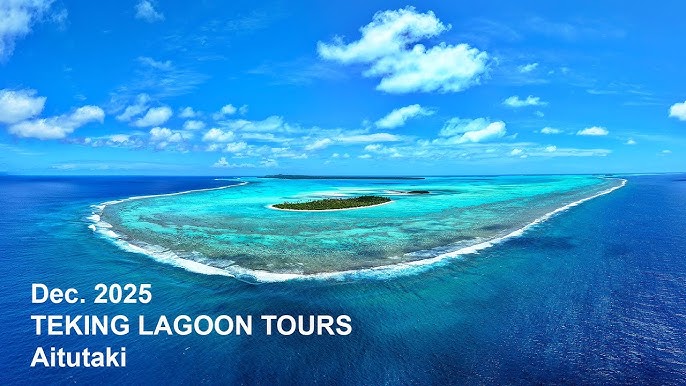
Stepping off the plane, the humidity embraced me like a warm hug. The air was thick with the scent of frangipani and the distant sound of ukulele music. Aitutaki is visually striking – a vibrant contrast of the deep green volcanic peaks of the main island against the dazzling turquoise hues of its lagoon. This stunning landscape, more than anything, is what makes Aitutaki lagoon cruises so famous. It's a visual feast that promises an unforgettable experience.
Aitutaki Adventures: A Lagoon Cruise Under Scrutiny
My primary goal was to experience the lagoon firsthand and evaluate the sustainability efforts of local tourism. I booked a full-day cruise with Aitutaki Adventures, a popular operator known for its excursions to One Foot Island and other iconic spots. This was my opportunity to evaluate Aitutaki lagoon cruise sustainability directly.
The cruise itself was breathtaking. The water was unbelievably clear, allowing us to see the vibrant coral atolls teeming with marine life below. Schools of colorful fish darted around us, oblivious to our presence. However, I was also keenly aware of the potential impact of tourism on this delicate ecosystem.
Here's my assessment of Aitutaki Adventures' practices:
- Reef-Safe Sunscreen: Aitutaki Adventures actively promoted the use of reef-safe sunscreen. They had some available for purchase on board, a positive sign. This is a critical step in mitigating damage to the coral.
- Waste Management: Waste management was handled responsibly, with separate bins for different types of waste. The crew were vigilant about collecting any trash that might have blown overboard.
- Minimizing Disturbance: During snorkeling, the guides emphasized the importance of not touching the coral or chasing the fish. They kept the group size relatively small, which helped to minimize disturbance to the marine life. I recommend all travellers ask the question, "How does climate change affect the coral reefs of Aitutaki?"
- Best time to visit Aitutaki: The dry season (May to October) is generally considered the best time to visit, offering pleasant weather and optimal conditions for exploring the lagoon.
Overall, I was impressed with Aitutaki Adventures' commitment to responsible tourism. However, there's always room for improvement. More education for tourists about the importance of coral reef conservation would be beneficial.
One Foot Island: Paradise Found?
Our cruise culminated in a visit to One Foot Island, arguably the most famous islet in the Cook Islands. Its powdery white sand and crystal-clear waters lived up to the hype. While the island's beauty is undeniable, it's also a stark reminder of the need for responsible tourism. The sheer number of visitors necessitates careful management to prevent environmental degradation.
A Taste of Aitutaki: Culinary Delights and Sustainability Considerations
Beyond the stunning scenery, Aitutaki also offers a rich culinary experience. I made sure to sample some local specialties, keeping an eye out for sustainable sourcing.
Ika Mata at Punarei Culture Tour & Lunch
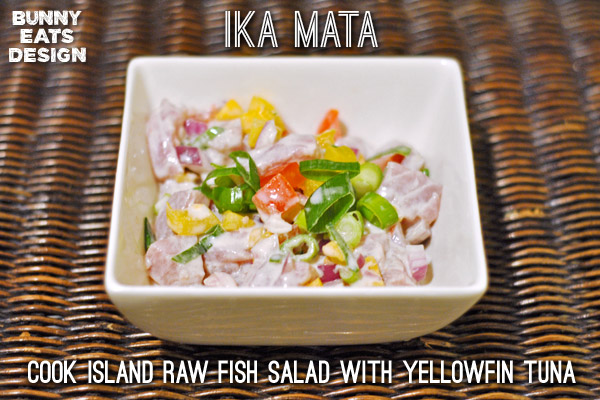
My first culinary adventure was at Punarei Culture Tour & Lunch, where I sampled Ika Mata, a traditional Cook Islands dish. Prepared with fresh coconut cream, locally grown tomatoes, and cucumbers from their garden, it was a burst of fresh, tropical flavors. The ingredients were undeniably fresh, and the emphasis on locally sourced produce was encouraging. The Punarei Culture Tour Ika Mata was prepared in front of us, adding to the experience.
Rukau at Koru Cafe: A Cultural Staple
Next, I tried Rukau (taro leaves cooked in coconut cream) at Koru Cafe. The taste was subtly earthy, the texture creamy and comforting. According to the cafe owners, Rukau is a staple in Cook Islands cuisine, often served at family gatherings and celebrations. It represents the islanders' deep connection to the land and their resourcefulness in utilizing local ingredients.
Grilled Tuna from a Roadside Stall: A Question of Ethics
Finally, I couldn't resist trying freshly caught grilled tuna from a roadside stall. The tuna was delicious, but its sourcing raised some concerns. Without knowing the fishing methods used, it's difficult to determine whether it was caught sustainably. This highlights the need for greater transparency in the local fishing industry to promote ethical tuna Aitutaki Cook Islands.

Cultural Immersion: Ukuleles and Ura Dances
Aitutaki offers more than just natural beauty; it's also a place to immerse yourself in Polynesian culture.
Ukulele Lesson at Are Tamanu Beach Resort
During my stay at Are Tamanu Beach Resort, I had the opportunity to learn to play the ukulele during a small, informal lesson with local musicians. The ukulele is deeply ingrained in Cook Islands music, its cheerful melodies providing the soundtrack to island life. Learning a few basic chords was a fun and engaging way to connect with the local culture. The Are Tamanu Beach Resort Aitutaki ukulele lesson was a highlight of my stay.
Ura Dance Performance at Pacific Resort Aitutaki
Later, I attended a traditional "Ura" dance performance at the Pacific Resort Aitutaki. The dancers, adorned in vibrant costumes, told stories through their graceful movements, accompanied by rhythmic drumming and chanting. The Ura is more than just entertainment; it's a powerful expression of Cook Islands history and traditions.
Pacific Resort Aitutaki: A Sustainable Stay?
The Pacific Resort Aitutaki impressed me with its commitment to sustainability. They have implemented various initiatives, including:
- Water Conservation: Water-saving fixtures in guest rooms and landscaping practices that minimize water usage.
- Energy Efficiency: Solar panels to generate electricity and energy-efficient lighting throughout the resort.
- Community Support: Sourcing local produce and employing local staff, contributing to the island's economy.
- Ecological Resorts Aitutaki Cook Islands: The Pacific Resort Aitutaki is one of the leaders, but other smaller eco-lodges are emerging.
These efforts demonstrate a genuine commitment to minimizing their environmental impact and supporting the local community. However, visitors should still research Sustainable travel Cook Islands resorts to make informed accommodation decisions.
Aitutaki: A Sustainable Travel Destination? My Verdict
So, is Aitutaki a sustainable travel destination? The answer is complex. While progress has been made, particularly by operators like Aitutaki Adventures and the Pacific Resort Aitutaki, there's still work to be done.
Here are my actionable recommendations for tourists seeking eco-friendly travel options in Aitutaki:
- Choose Responsible Tour Operators: Look for operators with sustainability certifications and a proven track record of responsible practices.
- Use Reef-Safe Sunscreen: Protect the coral reefs by using sunscreen that doesn't contain harmful chemicals.
- Reduce Waste: Minimize your use of single-use plastics and dispose of waste responsibly.
- Support Local Businesses: Eat at local restaurants and buy souvenirs from local artisans.
- Respect the Culture: Learn about Cook Islands culture and traditions and be mindful of local customs.
- Consider voluntourism: Look into Aitutaki voluntourism opportunities to give back to the local environment and community.
- How to minimize waste while traveling Aitutaki: Pack reusable water bottles, shopping bags, and containers for takeaways.
Aitutaki sustainable tourism is achievable if we all play our part. As travelers, we have the power to make informed choices that support responsible tourism and protect this island paradise for future generations. It is crucial to preserve Aitutaki coral reef health assessment processes for continued ecosystem protection. By embracing these recommendations, we can ensure that Aitutaki remains a breathtaking destination for many years to come. Plan your best eco-friendly Aitutaki travel itinerary now!