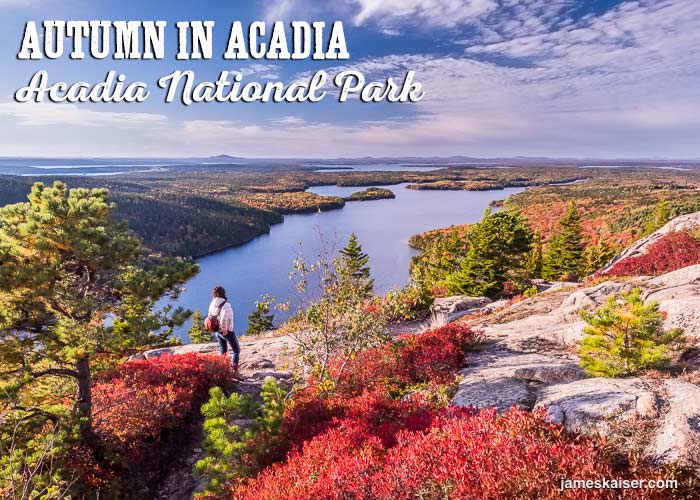
Acadia National Park October Photography: A Phot...
October in Acadia National Park is a sensory explosion, a symphony of colors played on nature's grandest stage. As a photographer, I'm always chasing the perfect light and the most breathtaking landscapes, and Acadia in the fall delivers both in spades. This past October, I packed my gear and headed to Maine, not just for a visit, but for an immersion into the park's unique beauty, from its fiery foliage to its starlit skies. Prepare to be captivated, because I'm about to share my experiences and inspire your own Acadia adventure. Let’s dive in!
Lobster Feast at Beal's Lobster Pier: A Taste of Acadia
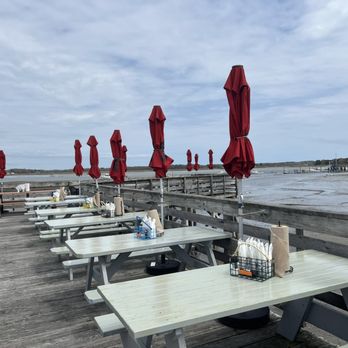
No trip to Maine is complete without indulging in its most famous delicacy, and Beal's Lobster Pier in Southwest Harbor provided the perfect setting. Forget fancy restaurants; this is where you get the real deal. I opted for the Twin Lobster Special, a truly decadent experience. The atmosphere is pure Maine – communal picnic tables, the cries of seagulls overhead, and the ever-present smell of saltwater hanging in the air. The tables were delightfully sticky with the remnants of countless lobster feasts.
The hardest decision? Steamed or grilled. I went for one of each! The steamed lobster was perfectly cooked, the meat sweet and succulent. But the grilled lobster… that was something else. The slight sweetness of the lobster combined with a hint of smoky char was simply divine. I paired it with a bottle of Sea Dog Bluepaw Wild Blueberry Wheat Ale, a local brew that complemented the meal perfectly. And for a sweet chaser, I savored a Maine Root Blueberry Soda. Knowing it was organically certified and tasted of genuine blueberries made it all the more enjoyable.
Acadia Astrophotography: Chasing Starlight at Otter Point and Bass Harbor Head Light
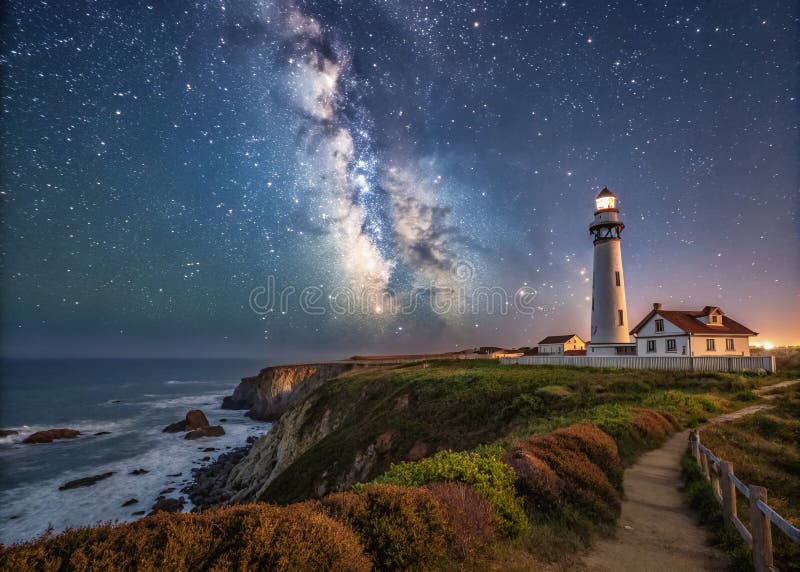
One of the main reasons for my Acadia pilgrimage was the opportunity for astrophotography. The dark skies above the park, combined with iconic landmarks like the Bass Harbor Head Light, create incredible photo opportunities. I packed my ZWO ASI294MC Pro camera and star tracker, ready to capture the Milky Way in all its glory. The best astrophotography spots in Acadia National Park include Otter Point and Bass Harbor Head Light.
However, astrophotography in Acadia isn't without its challenges. Light pollution is a constant battle, not just from distant cruise ships, but also from the lighthouse itself! Photographing the Milky Way over Bass Harbor Head Light requires timing and precision. I spent hours planning my shoot around periods when the light is off for maintenance or testing, an exercise in patience that bordered on frustration.
But the payoff was worth it. After hours of waiting, I captured a long exposure of the Milky Way arcing majestically over the Bass Harbor Head Light. The contrast between the artificial light of the lighthouse and the natural starlight was breathtaking. I've created a TikTok video showcasing this experience, which starts with a super close-up of me meticulously cleaning my camera lens. The lens, dramatically lit by a ring light, practically gleams. The camera slowly orbits, revealing the ZEISS branding in an ultra-clean, almost ASMR-like style. Suddenly, the scene cuts rapidly to a time-lapse of the Milky Way rotating above the Bass Harbor Head Light - an explosion of color and detail. It’s cinematic 4K, shot on a RED camera. You can find the video by searching for #AcadiaAstrophotography on TikTok, come check it out!
Planning Your Acadia Astrophotography Adventure
- Research light pollution: Use light pollution maps to find the darkest areas.
- Check the moon phase: A new moon provides the darkest skies.
- Plan your composition: Scout locations during the day and visualize your shot.
- Bring the right gear: A sturdy tripod, wide-angle lens, and remote shutter release are essential.
- Experiment with settings: Start with a high ISO and long exposure time, adjusting as needed.
October Foliage Immersion: A Symphony of Autumn Colors
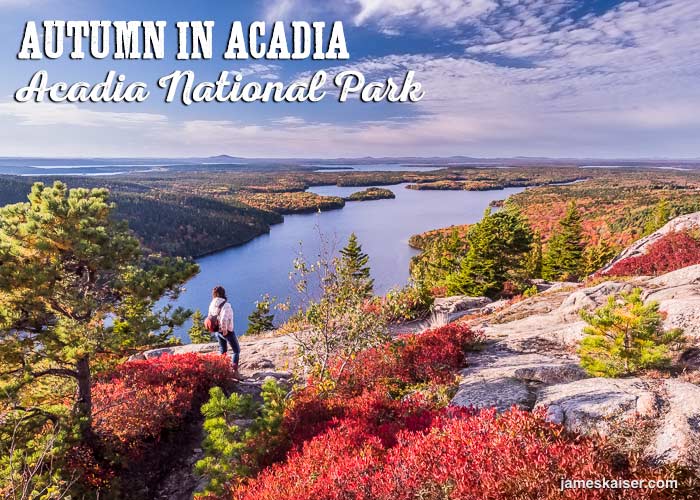
Of course, no trip to Acadia in October is complete without immersing yourself in the fall foliage. The colors are simply stunning. The fiery scarlet of the red maples, the burnt orange of the oak trees, and the golden yellow of the birches created a vibrant tapestry across the landscape. The best time to visit Acadia for fall foliage is typically mid to late October.
The light plays a crucial role in the appearance of the colors. The distinctive briny scent of rockweed at low tide filled the air, mingling with the crisp, cool air. Photographing autumn colors in Acadia National Park is an unforgettable experience. In the morning, the soft light bathed the landscape in a gentle glow, while in the afternoon, the colors deepened towards sunset. And everywhere I went, the sound of dry leaves crunching underfoot accompanied me.
Capture Your Own Acadia Adventure
Acadia National Park in October is a photographer's paradise, a place where you can capture breathtaking landscapes, savor delicious food, and experience the magic of the night sky. I hope my journey has inspired you to plan your own adventure. To help you get started, we're offering a $250 gift certificate redeemable online or at B&H Photo Video. If you're looking to upgrade your astrophotography equipment, this is the perfect opportunity! Visit B&H Photo Video or their New York City superstore to find everything you need.
Don't miss out on the chance to explore this incredible national park. Pack your bags, charge your cameras, and get ready to create memories that will last a lifetime!