Acadia National Park: A Landscape Architect's Ca...
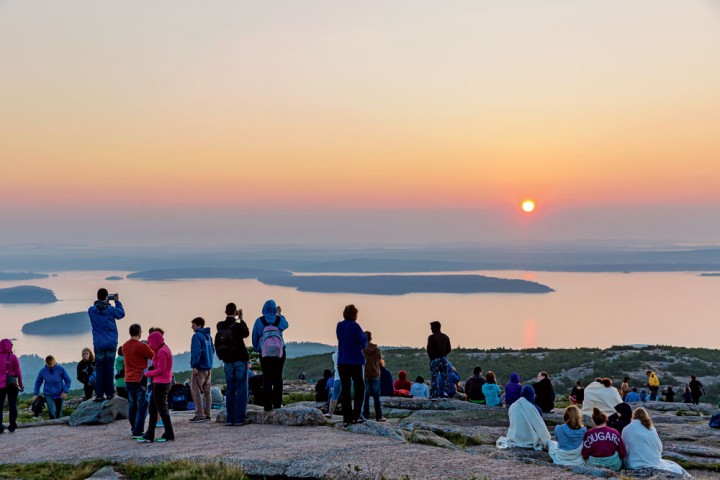
Acadia National Park. The name itself conjures images of rugged coastlines, verdant forests, and the promise of unparalleled natural beauty. But nothing could have prepared me for the sheer majesty of witnessing the sunrise from Cadillac Mountain. As the first rays of light kissed the rocky shore, painting the granite cliffs in hues of gold and rose, a profound sense of awe washed over me. As a landscape architect with a passion for sustainable design, I immediately recognized the artistry of nature on display – a masterpiece meticulously crafted over millennia, and one that deserves our utmost respect and protection.
Hiking Cadillac Mountain: A Symphony of Design and Nature
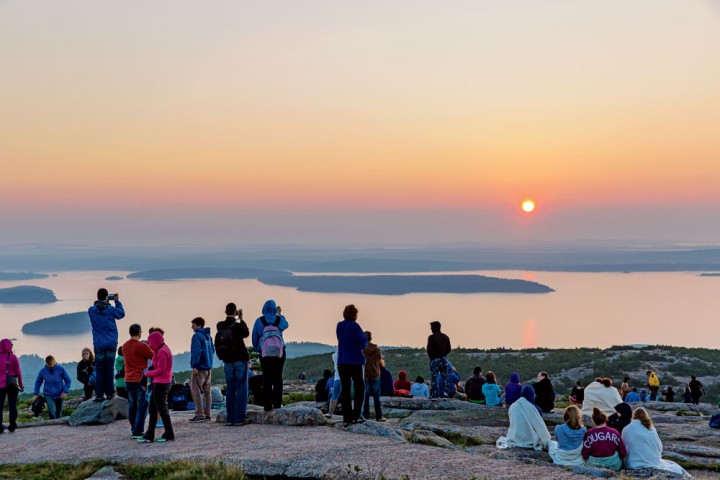
The hike up Cadillac Mountain, even in the pre-dawn darkness, was an experience in itself. The Acadia National Park hiking trails are a testament to thoughtful design. As I ascended, I observed the gradual shifts in vegetation, from the dense coastal forests to the sparse alpine flora near the summit. The trails are expertly crafted, minimizing erosion through the intentional placement of rocks and careful contouring. I later sketched a design proposal for a reinforcement of certain key trail elements to maintain the existing high standard of access without causing environmental issues in my personal journal. Reaching the summit, the panoramic views were breathtaking, a stunning juxtaposition of the Acadia National Park rocky coastline and the seemingly endless expanse of emerald forests stretching inland. Visiting Acadia National Park is an experience that will leave you profoundly moved. The Acadia National Park landscape architecture is a natural art form in itself.
Sunrise SUPRISE! Acadia's Hidden Beauty Revealed!
[Insert Viral Video Here]
Video of sunrise on Cadillac Mountain with eagle soaring.
Exploring Bar Harbor's Tidal Pools: A Delicate Ecosystem
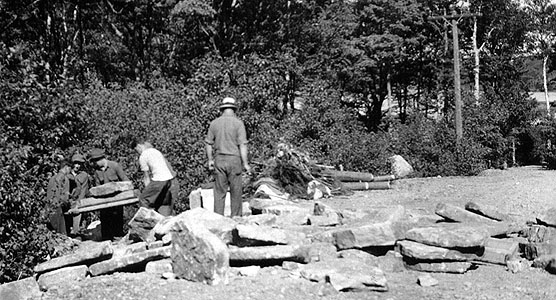
Descending from Cadillac Mountain, I made my way to Bar Harbor, drawn by the allure of its renowned tidal pools. These miniature aquatic worlds teem with life, showcasing the delicate balance of coastal ecosystems. The Acadia National Park Maine coastline is unique for this reason. The vibrant hues of the seaweed, the rhythmic ebb and flow of the tide, and the scurrying of countless tiny creatures captivated my attention. However, I also observed the impact of tourism on this fragile environment. Foot traffic, even with the best intentions, can disrupt these ecosystems. In my journal, I sketched a sustainable boardwalk design, incorporating recycled materials and elevated platforms to minimize disturbance to the marine life. Sustainable tourism in Acadia National Park is not just a buzzword; it's a necessity. How can I practice sustainable tourism in Acadia National Park? By being aware of your impact and supporting initiatives that protect the park's resources.
Savoring a Lobster Roll: A Taste of Maine's Heritage
No trip to Maine is complete without indulging in a classic lobster roll. I found a small, unassuming shack near the harbor, where the scent of saltwater and freshly cooked lobster hung heavy in the air. The simplicity of the preparation – succulent lobster meat lightly dressed with mayonnaise and served on a toasted bun – allowed the natural sweetness of the seafood to shine through. This simple meal connected me to the local fishing community, a community deeply rooted in the history of lobster fishing in Maine. However, climate change and unsustainable practices pose significant challenges to this industry. We must support sustainable lobster fishing to ensure that future generations can enjoy this iconic delicacy.
The Rocky Coastline and the Call for Conservation

Acadia's Acadia National Park rocky coastline, with its granite cliffs sculpted by the relentless forces of the ocean, is a testament to the power and beauty of nature. The park's history is intertwined with the visionaries like John D. Rockefeller Jr., who recognized the importance of preserving this natural treasure. The ongoing Acadia National Park conservation efforts are crucial to protecting its unique resources for generations to come. Why is Acadia National Park important for conservation? Because it represents a vital ecosystem and a legacy of preservation that inspires us to protect other natural areas. I urge you to visit Acadia National Park responsibly, to support its conservation initiatives, and to experience firsthand the profound connection between nature and the human spirit. By experiencing Acadia’s beauty, we can all become advocates for its protection.