A Taste of Zen: Discovering Kyoto's Culinary Sou...
Kyoto, the former Imperial capital of Japan, is a city steeped in history and tradition. Its influence on Japanese culture is undeniable, particularly when it comes to cuisine. More than just sustenance, food in Kyoto is an art form, a reflection of the city's refined aesthetics and deep-rooted philosophies. From the meticulous preparation of ingredients to the serene atmosphere in which it's enjoyed, Kyoto cuisine offers a unique and authentic cultural experience. Today, we'll delve into two key aspects of Kyoto's culinary soul: Shojin Ryori, the mindful vegetarian cuisine of Zen Buddhist monasteries, and Yatsuhashi, a traditional sweet with a connection to the Imperial Court. Experience the best Kyoto food experiences with us!
Shojin Ryori - The Art of Mindful Eating
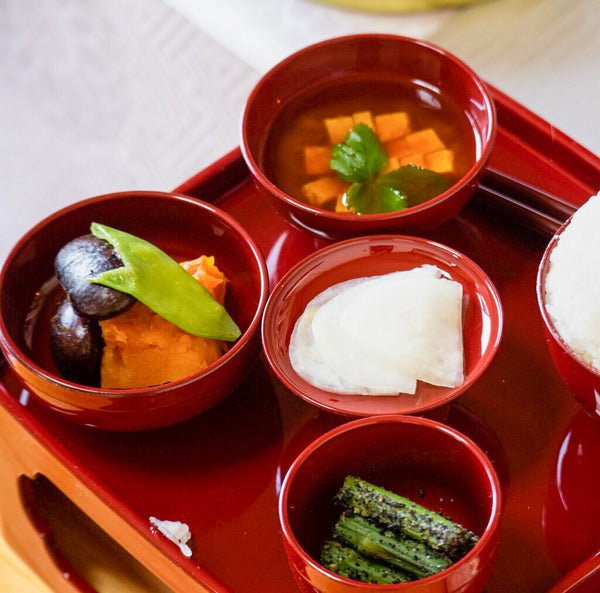
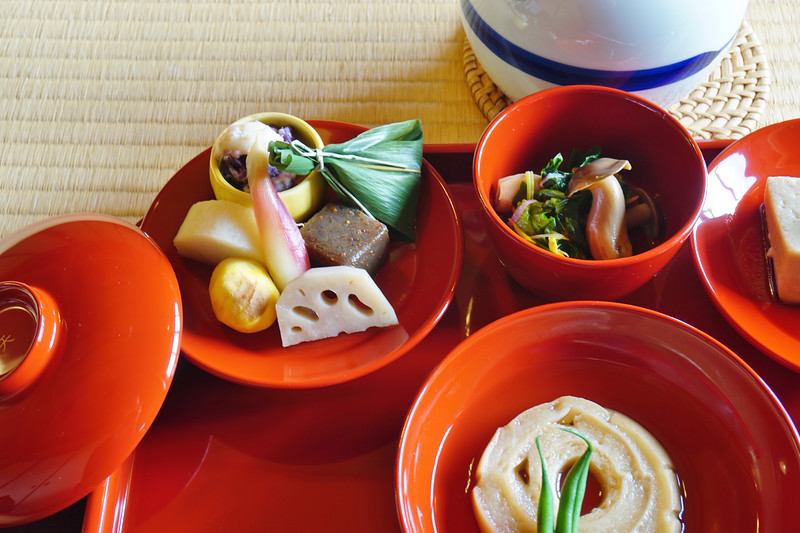
Shojin Ryori, often described as Kyoto vegetarian fine dining, is a traditional vegetarian cuisine that originated in Zen Buddhist monasteries. But it's more than just vegetarianism; it embodies mindfulness, balance, and a deep respect for ingredients. This makes it a must-try for anyone seeking an authentic Kyoto culinary tour.
The Philosophy Behind Shojin Ryori
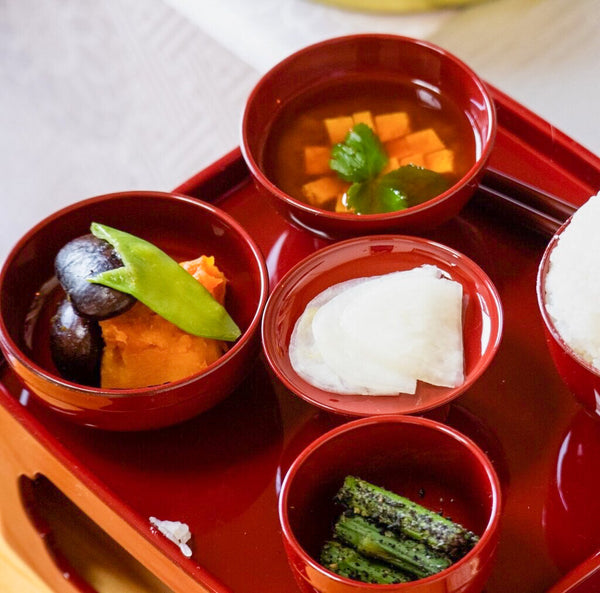
The core principle of Shojin Ryori is to nourish the body and mind in harmony. To achieve this, certain ingredients are avoided. Garlic, onion, and other strong-smelling spices are typically excluded because they are believed to be stimulating and distracting during meditation. The focus is on using fresh, seasonal vegetables, beans, and grains to create dishes that are both flavorful and nourishing. The goal is to cultivate mindful eating Kyoto practices. This is also why many are now seeking a vegan friendly Kyoto food tour to experience this art.
The Five Flavors
A key element of Shojin Ryori is the importance of the five flavors: sweet, sour, salty, bitter, and umami. Chefs meticulously balance these flavors in each dish, creating a harmonious and satisfying culinary experience. For example, a dish might combine the sweetness of carrots, the sourness of pickled plums, the saltiness of miso, the bitterness of leafy greens, and the umami of kombu (kelp) broth. This concept of balance is integral to Buddhist temple cuisine.
Experience Shojin Ryori at Kanga-an Temple
We highly recommend booking the "Kanga-an Temple Kyoto Shojin Ryori Experience" through vistalocation.com. What can you expect from this remarkable experience? You'll have the opportunity to prepare a Shojin Ryori meal alongside monks, learning about the history and philosophy behind this unique cuisine. You'll also enjoy a meditative meal in a serene setting, surrounded by the tranquility of the temple. This is an experience that provides a genuine Kyoto cultural immersion tour food.
Proper Chopstick Etiquette
When enjoying Shojin Ryori, it's important to be mindful of proper chopstick etiquette. Never leave your chopsticks sticking upright in a bowl of rice, as this resembles funeral rites. Similarly, avoid passing food to someone else using chopsticks, as this is also associated with funerals. To properly rest your chopsticks, use a chopstick rest (if provided) or lay them horizontally across your bowl. Understanding this chopstick etiquette Shojin Ryori Kyoto will enhance your cultural experience.
Yatsuhashi - A Sweet Slice of Kyoto History
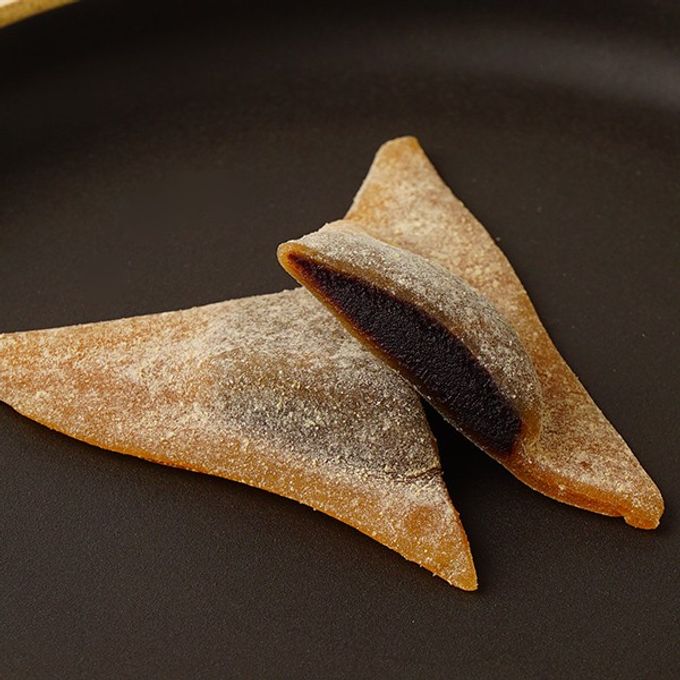
Yatsuhashi is a traditional Kyoto sweet, instantly recognizable by its distinctive shape resembling a koto bridge (a Japanese stringed instrument). It offers a traditional Japanese sweets Kyoto experience unlike any other.
Imperial Connection
Yatsuhashi's historical connection to the Imperial Court adds to its allure. Emperor Go-Mizunoo, known for his refined tastes, is said to have been particularly fond of this sweet. This royal association cemented Yatsuhashi's place as a beloved Kyoto delicacy. The history of traditional Kyoto dessert Yatsuhashi origin is fascinating.
Types and Flavors
Yatsuhashi comes in two main types: baked and unbaked. The baked version is crispy and has a slightly cinnamon-flavored profile. The unbaked version, also known as "nama yatsuhashi," is soft and chewy, often filled with sweet bean paste or other flavored fillings. Variations in flavors are plentiful, ranging from traditional cinnamon to matcha (green tea), sesame, and even chocolate. Consider doing a Yatsuhashi tasting Kyoto to sample all the flavors.
Shogo-in Yatsuhashi Sohonten
For a truly authentic experience, visit Shogo-in Yatsuhashi Sohonten, a renowned Yatsuhashi artisan shop. Here, you can witness the meticulous process of making Yatsuhashi and sample a wide variety of flavors. This makes it an essential part of any Shogo-in Yatsuhashi shopping guide.
An Artisan's Perspective
We spoke with a Yatsuhashi artisan at Shogo-in Yatsuhashi Sohonten, who shared, "Our Yatsuhashi represents centuries of Kyoto tradition, using only the finest ingredients and techniques passed down through generations to create a treat that reflects the beauty of Kyoto."
The Making of Yatsuhashi
The process of making Yatsuhashi begins with carefully selecting high-quality rice flour, sugar, and cinnamon. These ingredients are mixed and kneaded into a dough, which is then thinly rolled out and cut into the distinctive koto bridge shape. For the baked version, the Yatsuhashi are baked until golden brown and crispy. For the unbaked version, the dough is steamed and then filled with sweet bean paste or other fillings.
Kyoto's culinary scene is an invitation to connect with the city's history, philosophy, and artistry. From the mindful eating practices of Shojin Ryori to the sweet traditions of Yatsuhashi, Kyoto offers a unique and unforgettable culinary journey. Don't miss your chance to experience authentic Kyoto Shojin Ryori and other local treats. Book your Kyoto culinary adventure through vistalocation.com today and embark on a journey for your taste buds and soul. Find the best Kyoto food experiences here!