A Taste of Tranquility: Exploring Kyoto's Culina...
Kyoto, the ancient capital of Japan, is renowned for its serene temples, meticulously manicured gardens, and, of course, its exquisite cuisine. Beyond the bustling markets and charming teahouses lies a world of culinary artistry that reflects the city's rich history and deep-rooted traditions. Prepare your senses for a journey as we explore three significant aspects of Kyoto's food culture: Shojin Ryori (Buddhist vegetarian cuisine), Kaiseki (multi-course haute cuisine), and Matcha sweets, each offering a unique taste of tranquility.
Shojin Ryori: The Zen of Vegetarian Cuisine
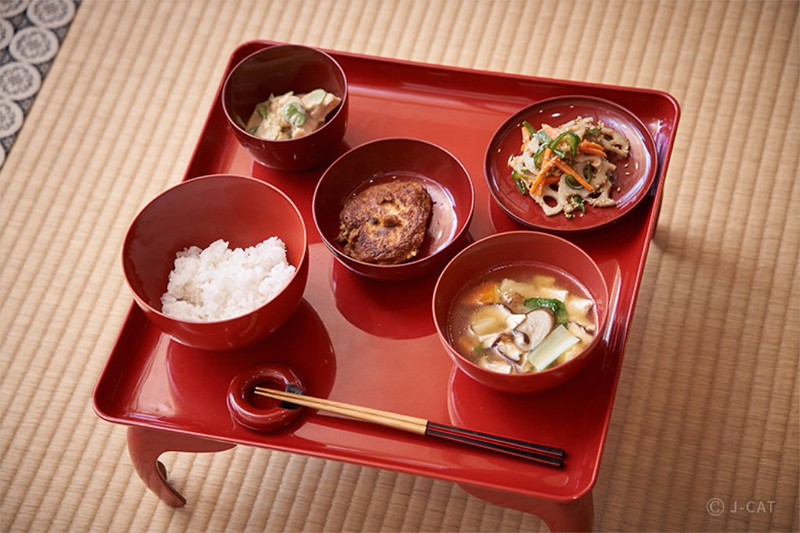
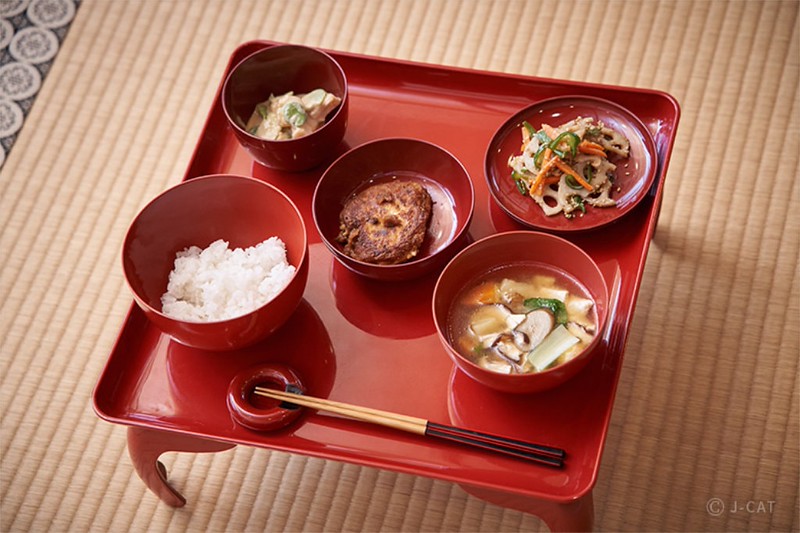
Shojin Ryori is more than just vegetarian food; it's a culinary philosophy rooted in Zen Buddhism. Developed as a way for Buddhist monks to nourish themselves while adhering to religious principles, this cuisine emphasizes balance, harmony, and the use of seasonal ingredients. Animal products and strong flavors like garlic and onion are strictly avoided, allowing for a focus on subtle and nuanced tastes.
The experience of Shojin Ryori is one of mindful eating, where each ingredient is appreciated for its natural flavor and contribution to the overall harmony of the meal. Expect dishes like sesame tofu (goma dofu), with its creamy texture and delicate sesame flavor, vegetable tempura (yasai tempura), lightly battered and fried to perfection, and simmered vegetables (nimono), each prepared to highlight the essence of the season. A crucial element is the dashi, a flavorful broth made from kombu (kelp) and shiitake mushrooms, providing umami depth without the use of animal products.
For those with dietary restrictions, some Shojin Ryori restaurants can accommodate gluten-free diners by offering soy sauce alternatives. However, it is essential to confirm this in advance.
Where to Experience Shojin Ryori:
- Shigetsu: Located within the serene Tenryu-ji Temple in Arashiyama, Shigetsu offers an authentic Shojin Ryori experience in a tranquil setting.
- Yudofu Sagano: For a more casual and accessible experience, Yudofu Sagano specializes in yudofu (simmered tofu) and other Shojin Ryori dishes.
Kaiseki: A Culinary Art Form
Kaiseki is the epitome of Japanese haute cuisine, representing a culinary art form that emphasizes artistry, seasonality, and multi-course presentation. More than just a meal, it's a feast for the eyes as well as the palate, with each dish carefully arranged to showcase the natural beauty of the ingredients.
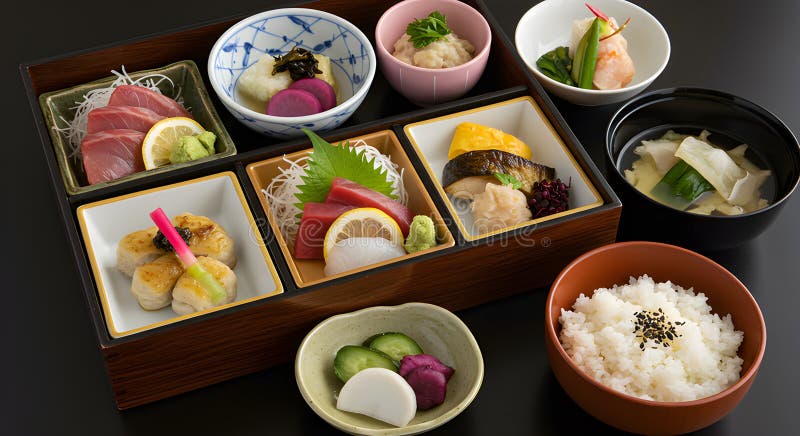
Traditionally, Kaiseki features around ten courses, starting with a light appetizer (sakizuke) designed to awaken the appetite and progressing through various preparations such as grilled fish (yakimono), simmered vegetables (nimono), and rice with pickles (shokuji) to conclude the savory portion of the meal.
The use of seasonal ingredients is paramount. In spring, you might find delicate bamboo shoots gracing your plate; in summer, the prized ayu (sweetfish) takes center stage; and in autumn, the earthy aroma of matsutake mushrooms fills the air. Each ingredient is chosen at its peak to capture its unique flavor and texture.
Kaiseki originated from the simple meals served at tea ceremonies, evolving into a highly refined culinary art form enjoyed by the elite. Due to its complex preparations and traditional adherence to specific ingredients, Kaiseki is generally not adaptable for dietary restrictions.
Where to Experience Kaiseki:
- Kikunoi: A renowned Kaiseki restaurant with multiple Michelin stars, Kikunoi offers an unforgettable dining experience that showcases the best of Kyoto cuisine.
- Hyotei: With a history spanning over 400 years, Hyotei is another acclaimed Kaiseki restaurant known for its exquisite dishes and serene atmosphere.
Matcha Sweets: A Taste of Tea Culture
Matcha sweets are a delightful reflection of Kyoto's deep-rooted tea culture. The vibrant green powder, made from finely ground green tea leaves, plays a central role in the traditional tea ceremony and has profoundly influenced the creation of various confectioneries. The beauty of matcha sweets lies in the balance of bitter matcha and sweet elements, creating a harmonious and satisfying experience.
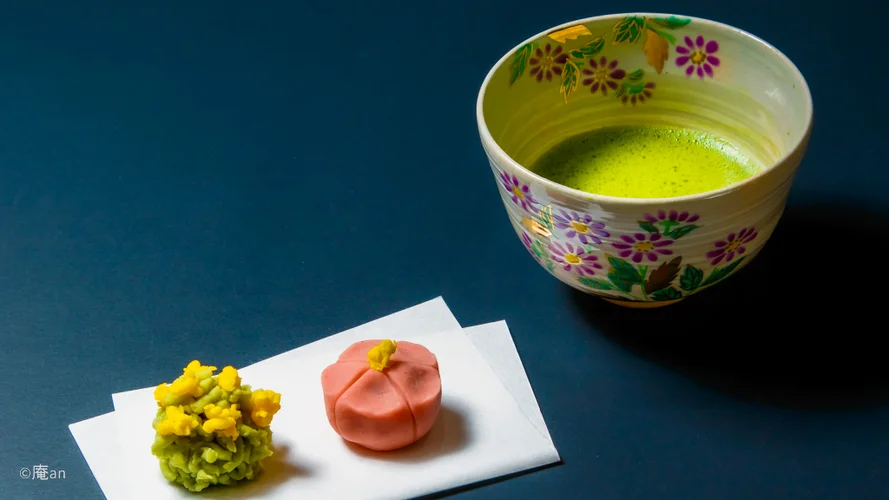
From matcha ice cream (matcha aisu) and matcha cake (matcha keki) to matcha mochi and wagashi (traditional Japanese sweets) incorporating matcha, the possibilities are endless. Matcha was introduced to Japan by Zen monks in the 12th century and became a central element in the tea ceremony, leading to the development of these delightful matcha-infused sweets.
While most matcha sweets contain gluten, some places offer gluten-free options like mochi made with rice flour. Always check with the establishment to confirm before ordering.
Where to Find Matcha Sweets:
- Itohkyuemon: A popular place for matcha sweets, offering a wide variety of cakes, parfaits, and other delectable treats.
- Tsujiri: Another well-known establishment specializing in matcha sweets, with a focus on high-quality ingredients and traditional techniques.
A Culinary Journey Through Kyoto
Kyoto's culinary treasures offer a unique and unforgettable experience for any traveler. From the mindful simplicity of Shojin Ryori to the artistic elegance of Kaiseki and the delightful balance of Matcha sweets, each aspect reflects the city's rich history, deep-rooted traditions, and unwavering commitment to quality. Embark on this culinary journey, and you'll discover a taste of tranquility that will stay with you long after you leave Kyoto. Explore more travel destinations at vistalocation.com and plan your next adventure!