A Taste of Tradition: Exploring Kyoto Through *S...
Kyoto, the ancient capital of Japan, is renowned for its breathtaking temples, serene gardens, and, of course, its exquisite cuisine. More than just sustenance, food in Kyoto is an art form, deeply intertwined with the city’s rich cultural and spiritual heritage. This culinary journey will immerse you in three essential Kyoto dining experiences: Shojin Ryori, Yudofu, and Matcha, each offering a unique window into the heart of this captivating city. From delicate vegetarian feasts to silky tofu and vibrant green teas, prepare to embark on a taste adventure that will nourish your body and soul.
Shojin Ryori: A Zen Buddhist Vegetarian Feast
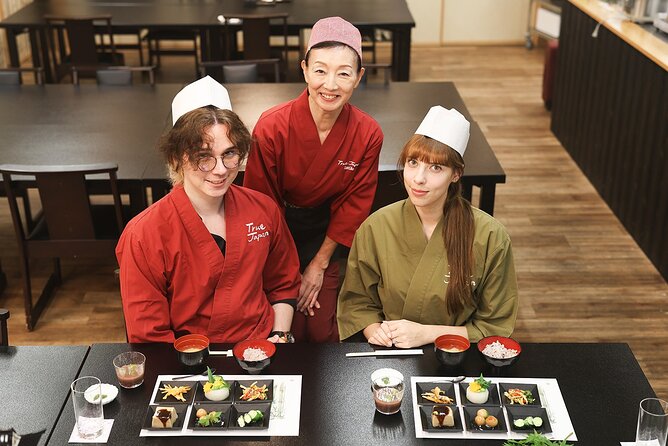
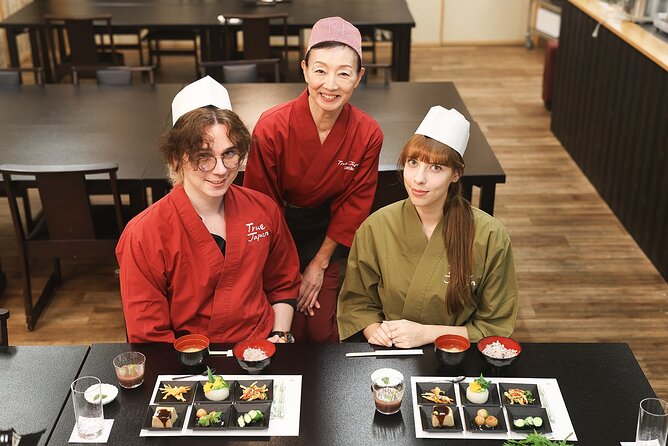
Our first stop is Shigetsu restaurant, nestled within the grounds of Tenryu-ji Temple, a UNESCO World Heritage Site. (Reservations are essential!) Shojin Ryori is the traditional vegetarian cuisine of Zen Buddhist monks, and Shigetsu offers a truly authentic and unforgettable experience. This isn’t your average meat-free meal; it’s a meticulously crafted series of dishes designed to nourish the body and cultivate mindfulness.
The principles of Zen Buddhism are at the heart of Shojin Ryori. The cuisine emphasizes simplicity, seasonality, and respect for ingredients. No animal products are used – only fresh vegetables, tofu, and other plant-based ingredients. The flavors are delicate and subtle, allowing the natural taste of each ingredient to shine through.
The Art of Mindful Eating
Each course of Shojin Ryori is presented as a work of art. The plating is intricate, with careful attention paid to color, texture, and arrangement. The goal is to engage all the senses and create a truly immersive dining experience. Shojin Ryori etiquette guide for tourists often highlights the need to eat slowly and savor each bite, focusing on the flavors and textures, and appreciating the effort that went into preparing the meal. This mindful approach to eating is an integral part of Zen practice.
Seasonal Ingredients and Their Significance
The use of seasonal ingredients is paramount in Shojin Ryori. Dishes change throughout the year to reflect the bounty of each season. Spring might bring dishes featuring bamboo shoots and wild herbs, while autumn could showcase mushrooms and root vegetables. This emphasis on seasonality not only ensures the freshest flavors but also connects diners to the natural world and the cycle of life.
Why Shojin Ryori is a Window into Kyoto's Cultural Heritage
Shojin Ryori offers a unique and profound window into Kyoto’s cultural heritage. It reflects the city’s deep connection to Zen Buddhism, its reverence for nature, and its commitment to simplicity and beauty. By experiencing this cuisine, you're not just eating a meal; you’re participating in a centuries-old tradition that embodies the essence of Kyoto. Are Shojin Ryori restaurants in Kyoto vegetarian friendly? Absolutely, it's entirely vegetarian and often vegan-friendly!
Yudofu: Simplicity and Elegance in a Pot
From the spiritual heights of Shojin Ryori, we descend to the comforting simplicity of Yudofu (simmered tofu). Our destination is Okutan Nanzenji, a renowned restaurant specializing in this quintessential Kyoto dish.
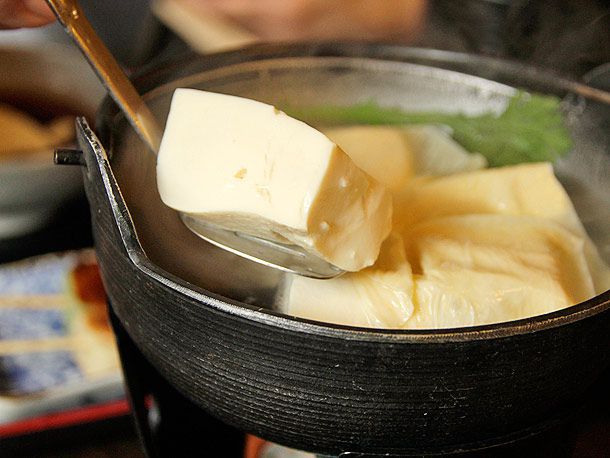
Yudofu is deceptively simple: squares of silky smooth tofu simmered in a pot of clear dashi broth. What makes it special is the quality of the tofu and the subtle flavors that emerge during the cooking process. Yudofu health benefits and Kyoto tradition are intertwined, as it is seen as a light and healthy meal.
The Art of Subtlety
The beauty of Yudofu lies in its subtlety. The tofu itself has a delicate flavor that is enhanced by the warmth of the broth. Dipping sauces, such as soy sauce, ponzu (citrus-based sauce), and sesame sauce, add layers of complexity. Condiments like grated ginger, scallions, and dried bonito flakes provide further flavor and texture. To fully appreciate Yudofu, savor the silky texture of the tofu, breathe in the aroma of the broth, and experiment with different dipping sauces and condiments to discover your perfect combination.
The Historical Significance of Yudofu
Like Shojin Ryori, Yudofu has strong ties to Zen Buddhism. It is believed to have originated in Buddhist temples, where it was a simple but nourishing meal for monks. The simplicity of Yudofu reflects the Zen emphasis on minimalism and direct experience. Where can I find authentic Yudofu in Kyoto? Okutan Nanzenji is an excellent place to start.
Yudofu: A Simple Dish Representing Kyoto's Essence
Yudofu embodies the essence of Kyoto cuisine: simple, elegant, and deeply rooted in tradition. It’s a dish that invites you to slow down, appreciate the subtle flavors, and find joy in the simple things.
Matcha Sweets: A Vibrant Finale
Our culinary tour culminates at Tsujiri Tea House in Gion, where we indulge in the vibrant world of Matcha sweets. Matcha, a finely ground green tea powder, is an integral part of Japanese culture, and Kyoto is renowned for its high-quality Matcha, especially from Uji tea.
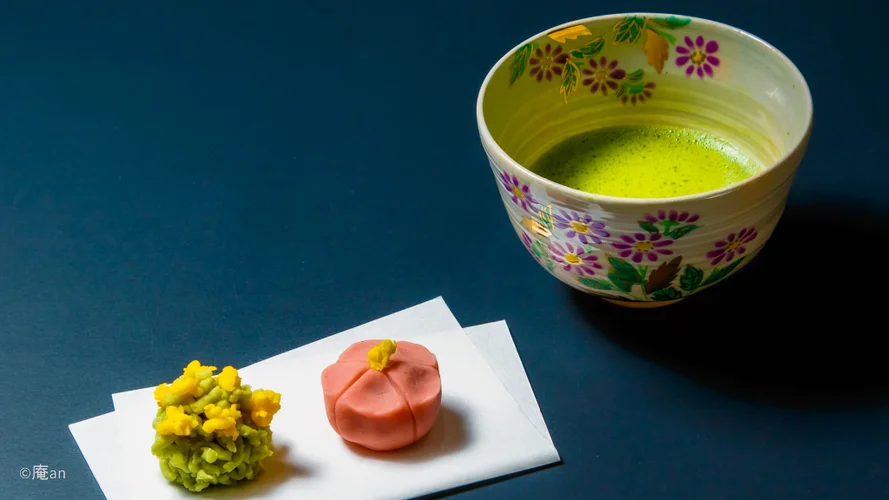
Matcha has a rich, earthy taste that is both invigorating and calming. It’s used in a variety of sweets, from parfaits and cakes to ice cream and mochi. The craftsmanship and artistry involved in creating these desserts are truly remarkable.
The Variety of Matcha Delights
At Tsujiri, you'll find a dizzying array of Matcha sweets. The Matcha parfait is a classic, layering Matcha ice cream, mochi, red bean paste, and other delectable ingredients. Matcha cakes and cheesecakes offer a richer, more decadent experience. For a lighter option, try Matcha ice cream or a simple cup of Matcha tea. How much does a Matcha tasting cost in Kyoto? Prices vary, but you can find affordable options.
The Traditional Tea Ceremony Experience
For a truly immersive experience, consider participating in a traditional tea ceremony. This ancient ritual is a celebration of Matcha and a practice in mindfulness and hospitality. The tea master prepares the Matcha with meticulous care, and guests are invited to savor each sip and appreciate the beauty of the ceremony.
Why Kyoto is Famous for Matcha
Kyoto's connection to Matcha is deeply rooted in history. The tea was first introduced to Japan by Buddhist monks who brought it back from China. Kyoto, as the center of Japanese Buddhism, became the epicenter of Matcha cultivation and consumption. Today, Kyoto is still considered the best place in the world to experience authentic Matcha.
Cultural Insights: Japanese Dining Etiquette
To fully appreciate your culinary journey in Kyoto, it's helpful to understand some basic Japanese dining etiquette.
- Chopstick Use: Avoid sticking your chopsticks upright in a bowl of rice, as this resembles a funeral ritual.
- Slurping Etiquette: Slurping noodles is considered a sign of enjoyment and appreciation.
- Table Manners: Avoid resting your elbows on the table. Keep your hands in your lap when not eating.
Common Japanese Phrases
- Itadakimasu: Said before eating to express gratitude for the meal.
- Gochisousama deshita: Said after eating to thank the host and express appreciation for the meal.
Plan Your Visit to Kyoto for Food
The best time to visit Kyoto for food is generally during the spring (March-May) or autumn (September-November) when the weather is pleasant and seasonal ingredients are at their peak. Consider booking tours in advance, especially for unique experiences like Kaiseki dinners with Matcha, or private Matcha ceremonies.
Conclusion: A Culinary Journey to Remember
Exploring Kyoto through Shojin Ryori, Yudofu, and Matcha is an unforgettable experience. Each dish offers a unique glimpse into the city’s rich cultural heritage, its spiritual traditions, and its unwavering commitment to culinary excellence. So, embark on this taste adventure, savor each moment, and discover the magic of Kyoto through its food. Consider booking a Kyoto food tour to fully immerse yourself in the local cuisine. Gochisousama deshita!