A Taste of Oaxaca: Unveiling Culinary Traditions...
Oaxaca, Mexico, is more than just a beautiful destination; it's a culinary paradise where ancient traditions and unique ingredients come together to create an unforgettable food experience. From bustling markets to family-run restaurants, Oaxaca offers a deep dive into authentic Mexican gastronomy. This journey through Oaxacan cuisine wouldn't be complete without tasting the holy trinity: Tlayudas, crispy oversized tortillas piled high with savory toppings; Mole Negro, a complex and rich sauce that represents the soul of Oaxacan cooking; and Mezcal, the region’s smoky agave spirit, revered for its cultural significance and diverse flavor profiles. Get ready to embark on a culinary adventure that will tantalize your taste buds and leave you with a profound appreciation for Oaxacan culture.
Tlayudas: Oaxaca's Culinary Canvas
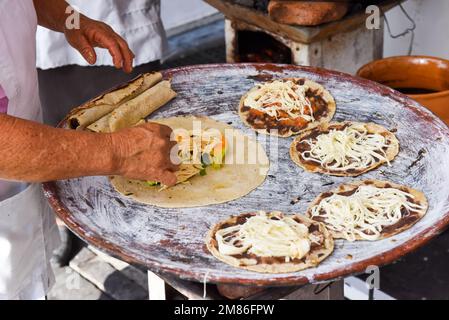
Imagine a giant, thin, and crispy tortilla, lightly grilled to perfection. This is a Tlayuda, often called "Oaxaca's culinary canvas." The preparation process is a true art form. First, the oversized tortilla is lightly grilled over hot coals, giving it a smoky char. Then, it's spread with asiento, unrefined pork lard, which adds a rich, savory base. Refried beans, quesillo (Oaxacan cheese), shredded lettuce or cabbage, slices of creamy avocado, and your choice of salsa are piled on top. The result is a symphony of flavors and textures in every bite.
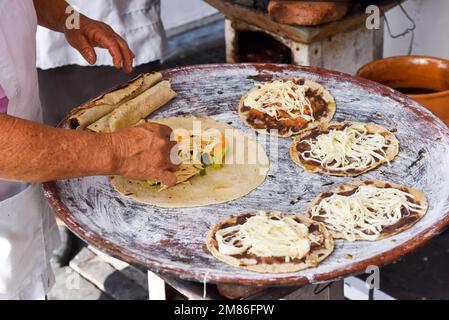
Asiento is the key ingredient that sets Tlayudas apart. This unrefined pork lard adds a unique depth of flavor that you won't find anywhere else. Its richness balances the other ingredients beautifully.
For a truly authentic experience, seek out "Tlayudas El Negro". Their dedication to traditional methods shines through in every bite. You’ll hear the delightful crackle of the tortilla as you bite into it, feel the creamy avocado melt in your mouth, and savor the smoky aroma of the grill. Customarily, Tlayudas are eaten folded in half or cut into manageable pieces, allowing you to enjoy all the flavors at once. Where can I find authentic Tlayudas in Oaxaca City? Visit the night food stalls outside of the ADO bus station.
Mole Negro: The Soul of Oaxacan Cuisine
Mole Negro is more than just a sauce; it's a complex, multi-layered culinary masterpiece that represents the soul of Oaxacan heritage. This rich, dark sauce is a labor of love, often associated with celebrations and special occasions.
Key ingredients include a variety of chilies, especially chilhuacle negro, chocolate, nuts, seeds, spices, and sometimes plantains. The preparation process is incredibly laborious, involving roasting, grinding, and simmering the ingredients for hours, or even days. It’s a true testament to the dedication and artistry of Oaxacan cooks. What are the ingredients in Oaxacan Mole? Chilies, spices, chocolate, and nuts, depending on the variety.
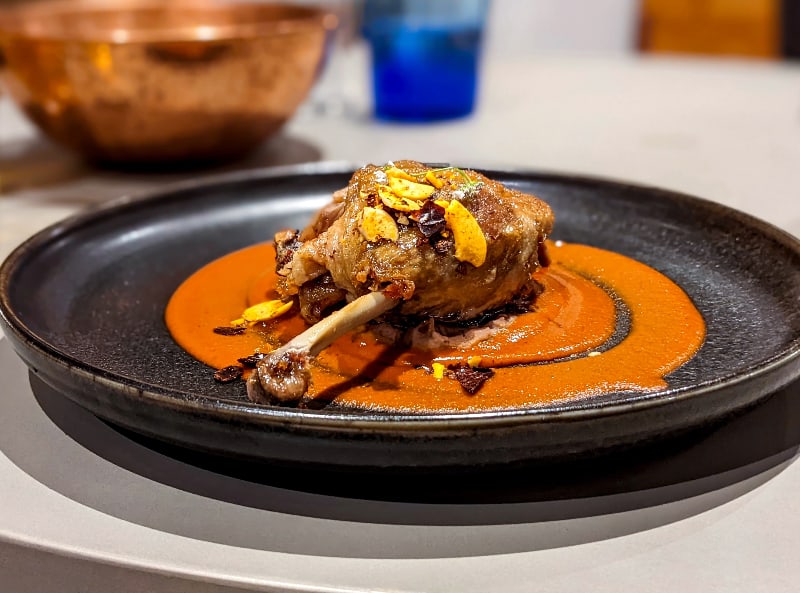
We recommend "Origen", a restaurant in Oaxaca City known for its refined interpretations of traditional Oaxacan cuisine, including a standout Mole Negro. Chef Rodolfo Castellanos is committed to using local ingredients and preserving traditional cooking methods.
The Mole Negro boasts a deep, dark color and a rich, intoxicating aroma. The flavor profile is incredibly complex, evolving on the palate with each bite. It's traditionally served with rice and tortillas, perfect for soaking up every last drop of the exquisite sauce.
Mezcal: Oaxaca's Agave Spirit
Mezcal is often referred to as tequila's smoky cousin, but it's so much more. This agave spirit is deeply ingrained in Oaxacan culture and boasts a fascinating history. The production process is a meticulous art, starting with harvesting agave plants, typically espadin (though rarer varieties create unique flavors). The agave hearts (piñas) are roasted in earthen pits lined with hot rocks, giving Mezcal its signature smoky flavor. The roasted agave is then crushed, fermented, and distilled, often in small, family-run distilleries.

Mezcal is not just a drink; it's a cultural symbol, with historical roots stretching back centuries. It plays a significant role in Oaxacan traditions and celebrations. Sip Mezcal slowly, allowing the flavors to develop on your tongue. Appreciate the smoky notes and the unique characteristics of the agave's terroir. Best Mezcal brands to try in Oaxaca? Look for Del Maguey, Gracias a Dios, and Pierde Almas.
Visit "Mezcalería Los Amantes", known for its extensive selection and knowledgeable staff. Indulge in a flight of different Mezcales to truly experience the range of flavors this agave spirit offers. You may even encounter a bottle with a "worm" (gusano) inside. While some consider it a delicacy, it's more of a marketing gimmick than an indication of quality.
Ethical Eating in Oaxaca:
Supporting local producers and sustainable practices is crucial to preserving Oaxacan culinary traditions and culture. Seek out restaurants and vendors that source their ingredients locally, and visit local markets to buy directly from farmers. Be mindful of the environmental impact of mass tourism and strive for responsible consumption. How do I practice ethical eating in Oaxaca? Choose restaurants that source locally and reduce waste.
Learn to Cook Like an Oaxacan:
Immerse yourself even deeper by taking a cooking class! Several cooking schools in Oaxaca offer hands-on experience in preparing traditional dishes. We recommend "Casa de los Sabores", a school known for its authenticity and cultural sensitivity. The experience often starts with a visit to a local market to select fresh ingredients, followed by learning traditional cooking techniques passed down through generations. Oaxaca cooking class for Mole Negro? Casa de los Sabores specializes in Mole Negro lessons.
Conclusion:
Oaxaca’s culinary scene is a treasure trove of flavors, traditions, and cultural experiences. From the crispy Tlayudas to the complex Mole Negro and the smoky Mezcal, every dish tells a story. Immerse yourself in the local culture, support sustainable practices, and embark on a culinary adventure that will leave you with lasting memories. Visit Oaxaca and taste the traditions.