A Taste of Kyoto: Kaiseki & Wagashi – An Unforge...
Kyoto, the ancient capital of Japan, is renowned for its rich history, stunning temples, and geishas. But beyond the visual splendors lies a culinary heritage as refined and captivating: Kyo-ryori. This blog post delves into two essential aspects of this cuisine – kaiseki (multi-course dining) and wagashi (traditional Japanese sweets) – offering a taste of an unforgettable culinary journey. Discover how to plan a Luxury Kyoto Food Trip that encompasses the best of what Kyoto has to offer.
Kaiseki: An Art Form on a Plate
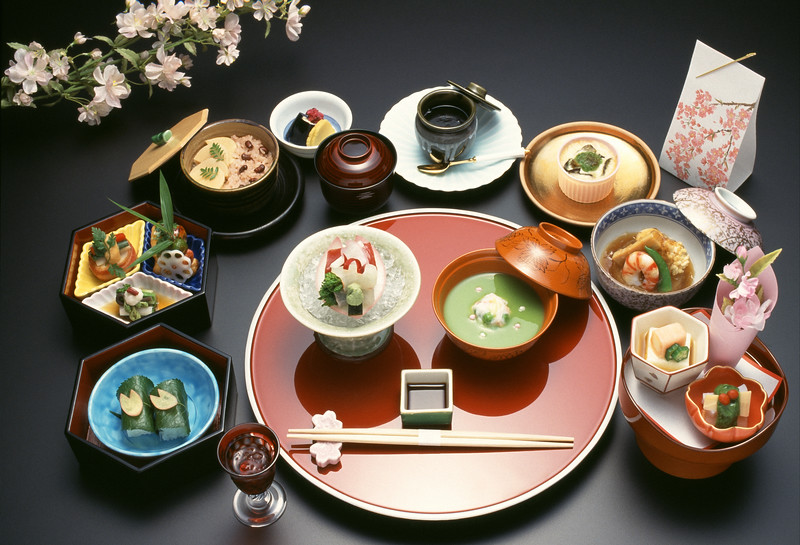
Kaiseki (pronounced KAI-seh-kee) is much more than just a meal; it’s a sophisticated art form that embodies the spirit of Japanese hospitality and seasonal ingredients. Rooted in the tea ceremony, kaiseki began as a simple meal to accompany the tea but evolved into an elaborate multi-course experience. It embodies omotenashi, the Japanese spirit of wholeheartedly looking after guests. Every dish is meticulously crafted to reflect the season, showcasing the freshest ingredients at their peak.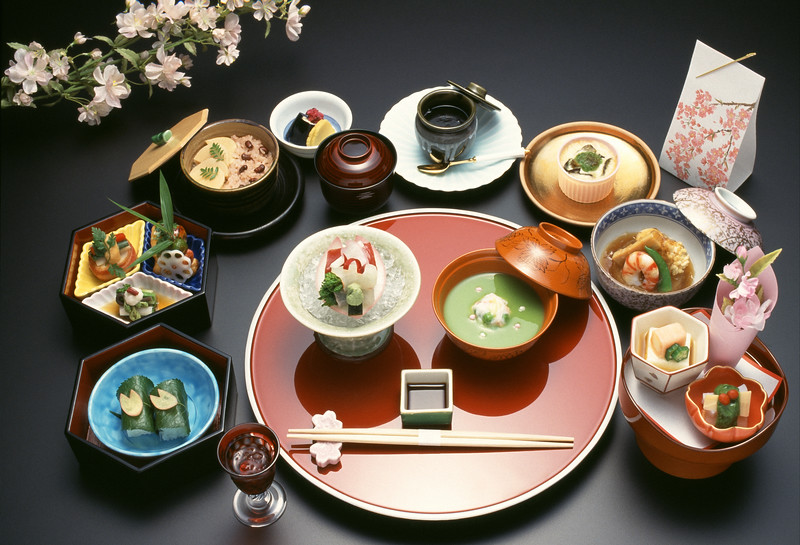
Kikunoi: A Michelin-Starred Kaiseki Masterpiece
For an unparalleled kaiseki experience, Kikunoi stands as a beacon of culinary excellence. This renowned restaurant, helmed by Chef Yoshihiro Murata, boasts multiple Michelin stars and is celebrated for its dedication to tradition and innovation. A Kyoto Kaiseki Dining Experience here is a journey for the senses.
Making a Reservation at Kikunoi
Given its popularity, securing a reservation at Kikunoi requires advance planning. It's advisable to book at least a month in advance, especially if you are looking for a Kyoto Kaiseki Michelin Star Restaurants Booking. Reservations often require a credit card guarantee to prevent no-shows. This is standard practice for high-end restaurants in Kyoto. It is a very popular restaurant, so don’t hesitate to book your Kikunoi Restaurant Kyoto Reservation!
The “Hassun” Course: A Seasonal Symphony
One of the most anticipated courses in a kaiseki meal is the "Hassun." This course is a beautifully arranged platter of small, seasonal delicacies that represent the theme of the meal. The presentation is an art form in itself, with each element carefully placed to create a visually stunning and harmonious composition. The Hassun course in Kikunoi highlights the Seasonal Ingredients in Kyoto Kaiseki Cuisine like no other.
Wagashi: Kyoto's Sweet Art
Wagashi (pronounced Wah-GAH-shee) are traditional Japanese sweets, and like kaiseki, they are deeply rooted in Kyoto's history and culture. Originally enjoyed by the Imperial Court, wagashi have evolved into delicate and beautiful treats that reflect the changing seasons. For an Authentic Wagashi Tasting Kyoto, the possibilities are endless.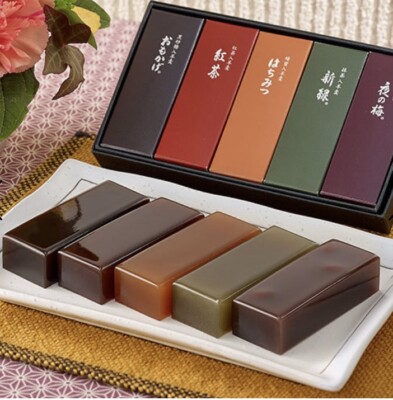
Toraya: A Legacy of Sweetness
Toraya, with its centuries-old history, is a quintessential destination for wagashi in Kyoto. Their sweets are renowned for their refined flavors, delicate textures, and exquisite presentation. It's a key stop on any Kyoto Wagashi Culinary Tour.
Must-Try Wagashi at Toraya
Yokan: This smooth and subtly sweet bean jelly is a classic wagashi. Toraya's yokan is particularly prized for its high-quality ingredients and masterful craftsmanship. Try their Best Kyoto Wagashi for Souvenirs to Take Home, this treat is sure to be a crowd pleaser!
Monaka: These wafer cakes filled with sweet bean jam offer a delightful contrast of textures. The crisp wafers and smooth bean jam create a harmonious balance of flavors.
The Seasonal Palette of Wagashi
The appearance of wagashi changes with the seasons. In spring, you might find sweets shaped like cherry blossoms, while autumn brings maple leaf-shaped wagashi. This reflects the Japanese appreciation for the ephemeral beauty of nature.
A Culinary Journey Through Time
Both kaiseki and wagashi are integral parts of Kyoto's culinary heritage, reflecting the city's history, traditions, and deep connection to nature. They offer a glimpse into the refined aesthetic sensibilities of Japanese culture and are testaments to the artistry and dedication of the chefs and artisans who create them. To truly understand the culture, consider booking a Kyoto Kyo-ryori Cooking Class so that you can immerse yourself in the local history.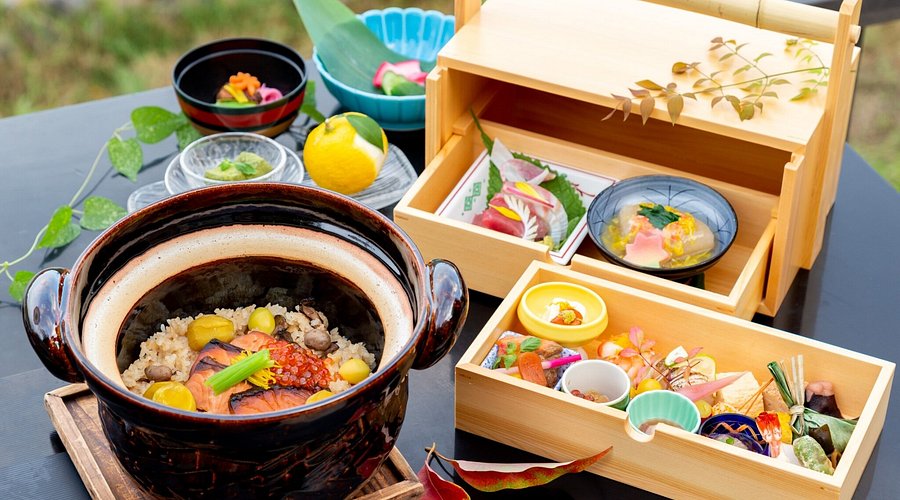
Conclusion: Savoring the Essence of Kyoto
Embarking on a culinary journey through Kyoto is an experience that will tantalize your taste buds and deepen your appreciation for Japanese culture. From the meticulously crafted kaiseki dishes at Kikunoi to the delicate wagashi at Toraya, every bite tells a story. Plan your visit during the Best Time to Visit Kyoto for Food in order to experience everything that Kyo-ryori has to offer.
Ready to experience the unforgettable flavors of Kyoto? Contact us today to plan your dream culinary adventure!
Viral Video Script
HOOK:
A rapid succession of close-up shots showcasing the meticulous preparation of a kaiseki dish at Kikunoi. Suddenly, a chef swiftly places a single, perfect, edible flower on top.
SCENE:
Cinematic 4K, shot on RED, with dramatic lighting highlighting the vibrant colors of the food. Golden hour lighting to create a warm, inviting mood. Tight depth of field to emphasize the detail of the food while blurring the background. The camera orbits the plate slowly, showcasing the dish's composition.
TWIST:
The scene rapidly zooms out to reveal the dish being presented within a traditional tatami room. A hand reaches for chopsticks and the scene cuts to black.