A Taste of Bali: Exploring Island Flavors
Imagi...
Imagine stepping into a world where the scent of incense mingles with the aroma of exotic spices, where vibrant colors adorn every corner, and where the gentle sounds of gamelan music fill the air. This is Bali, the Island of Gods, where culinary traditions are as rich and diverse as its landscapes. From healing spices to sacred offerings, discover Balinese food as medicine and cultural immersion unlike any other. Get ready for an immersive journey through Balinese flavors, aromas, and cultural significance.
Babi Guling: A Symphony of Crispy Skin and Succulent Spices
No culinary journey to Bali is complete without experiencing Babi Guling, suckling pig. Forget generic roast pork – this is an art form. At roadside warungs and during ceremonial feasts, the sight of a whole pig roasting over a charcoal fire is common. But for the truly authentic experience, head to Warung Ibu Oka in Ubud. Ibu Oka's version is legendary: Imagine sinking your teeth into crispy skin that crackles with each bite, followed by succulent meat infused with a complex blend of spices like turmeric, ginger, and galangal. Served with lawar and steamed rice, the rich, savory flavors explode on your tongue, a symphony of textures and aromas that embodies Balinese culinary excellence.
However, if the thought of Babi Guling conflicts with your dietary or ethical choices, explore alternative dishes that showcase Balinese flavors. Plant-based options are increasingly available, reflecting a growing awareness of Balinese plant based cooking and sustainability.
Lawar: A Culinary Chameleon Reflecting Family Traditions
Lawar is more than just a side dish; it's a reflection of Balinese resourcefulness and culinary creativity. You will most likely find it served as a companion dish at any Babi Guling establishment. This unique dish is a vibrant mixture of finely chopped long beans, shredded young jackfruit, minced pork, grated coconut, and a blend of aromatic spices – shallots, garlic, chilies, and shrimp paste, all ground into a base gede. Each Balinese family boasts its own version, varying the ingredients and spice combinations to create a unique flavor profile. The addition of blood (known as lawar merah) adds richness and depth, lending a slightly metallic tang. While vegetarian versions (lawar putih) exist, seeking out a family-run warung and trying their house lawar is essential to experiencing this Balinese staple. Ask what secret ingredient makes it their own.
Sate Lilit: Seafood Skewers Kissed by the Smoke of Coconut Husks
Escape the ordinary with Sate Lilit, minced seafood satay. Unlike traditional satay made with chunks of meat, Sate Lilit uses ground red snapper mixed with grated coconut, finely chopped shallots, garlic, ginger, turmeric, and bird's eye chili. The mixture is then carefully molded around lemongrass stalks and grilled over glowing coconut husks, infusing the seafood with a smoky, aromatic flavor. Find the best Sate Lilit at Warung Under the Tree in Sanur. Imagine the delicate sweetness of the red snapper, the fragrant spices tingling on your tongue, and the smoky char creating an irresistible combination.
Pasar Badung: A Sensory Overload in the Heart of Denpasar
To truly understand Balinese cuisine, immerse yourself in the vibrant chaos of Pasar Badung, Denpasar's largest traditional market. Wander through the labyrinthine alleys, where the air is thick with the scent of spices, fruits, and vegetables. Observe the vendors haggling with customers, the vibrant colors of the produce – pyramids of fiery red chilies, heaps of vibrant green vegetables, and mounds of fragrant spices – and the sheer energy of the marketplace. Here, you'll find everything from fresh turmeric root and fragrant ginger to dried chilies and exotic fruits you've never seen before. This is where Balinese chefs source their ingredients, and a visit to Pasar Badung offers a fascinating glimpse into the heart of Balinese culinary culture. Seek out a vendor selling Base Gede ingredients and ask them for their family's recipe for Bumbu Bali. Immerse yourself in Balinese food cultural immersion by exploring local ingredients and traditions firsthand.
Kopi Luwak: A Coffee with a Wild Story and Earthy Notes
For a truly unique coffee experience, sample Kopi Luwak. This is coffee made from coffee cherries that have been eaten and partially digested by the Asian palm civet (a cat-like animal). The civets' digestive enzymes break down the proteins in the coffee cherries, resulting in a smoother, less bitter cup of coffee. Kopi Luwak is one of the most expensive coffees in the world, and while ethical concerns surround its production, sourced responsibly, it's a Balinese experience. Seek it out at Teba Sari Agrotourism near Ubud, a reputable plantation that allows the civets to roam freely. Expect an earthy aroma and a smooth, almost chocolatey flavor. Support Balinese sustainable food travel by choosing responsible producers.
Paon Bali Cooking Class: Unlocking the Secrets of Base Gede and More
Want to learn the secrets of Balinese cuisine? Sign up for a cooking class at Paon Bali Cooking Class in Laplapan village near Ubud. This class begins with a visit to a local market to learn about the ingredients, followed by hands-on instruction in preparing traditional dishes. You'll learn to grind spices with a stone mortar and pestle, chop vegetables with precision, and master the art of Balinese cooking. Discover how to prepare Base Gede from scratch, the fundamental spice paste that underpins many Balinese dishes, including its secret ingredient, kaffir lime leaves. It's a fun, interactive way to connect with Balinese culture and impress your friends back home with your newfound culinary skills. Consider cooking with Balinese families for an even more authentic experience.
Exploring "Base Gede": The Heart of Balinese Flavor
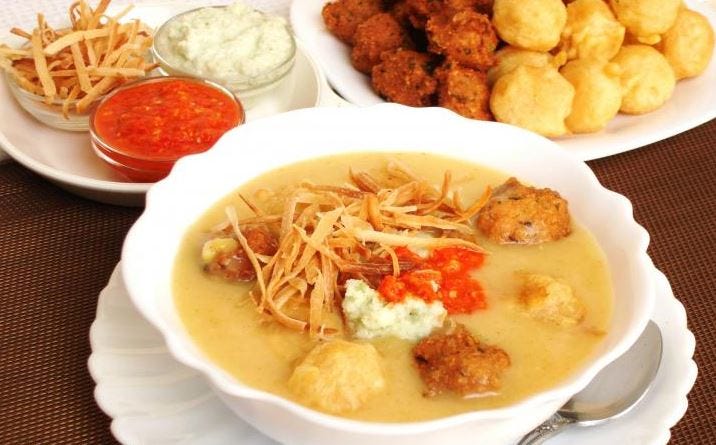
The authentic Balinese spices guide begins with Base Gede, the cornerstone of many dishes. This fragrant paste, a blend of galangal, turmeric, ginger, shallots, garlic, chilies, and more, is the soul of Balinese cooking.
Tegallalang Rice Terraces: A Cascade of Emerald Green at Golden Hour
While not strictly a culinary experience, a visit to the Tegallalang Rice Terraces is essential for any visitor to Bali. These cascading rice paddies offer a breathtaking view of Bali's natural beauty, and the lush green landscape provides a stunning backdrop for photos. Visit during the golden hour (4:00 PM to 6:00 PM) for the most spectacular light. The sight of the rice terraces, combined with the earthy aroma of freshly harvested rice and the calls of distant birds, creates a sensory experience that is uniquely Balinese. Consider enjoying a Balinese rice terrace lunch organic farm experience.
Canang Sari: Daily Offerings as a Reflection of Balinese Spirituality
Every morning, Balinese Hindus create canang sari, small offerings made of woven palm leaves filled with flowers, rice, incense, and sometimes small sweets or crackers. These offerings are placed in temples, homes, shops, and even on the beach, as a sign of gratitude and respect to the gods. Observe the intricate details of the canang sari, the careful arrangement of the flowers – red hibiscus for Brahma, white frangipani for Shiva, and yellow cananga for Vishnu – and the fragrant smoke of the incense curling into the air. This daily ritual is a reminder of the deep spiritual connection that permeates Balinese life, and it offers a glimpse into the values that shape the island's culture. Understand the cultural significance Balinese offerings food by observing this daily practice.
How is Balinese cuisine connected to spirituality?
Balinese cuisine is deeply intertwined with spirituality, reflecting the island's Hindu beliefs. Food is used in offerings to the gods and ancestors, and cooking is often considered a sacred act. The ingredients themselves can hold spiritual significance.
What role does food play in Balinese ceremonies?
Food is central to Balinese ceremonies, serving as offerings to deities and ancestors. Special dishes are prepared for specific ceremonies, each with symbolic meaning. The communal sharing of food, known as megibung, strengthens social bonds.
Viral Video Concept: Babi Guling – From Piglet to Plate (Time-Lapse Masterpiece)
- HOOK (0-1 second): Suddenly, a close-up shot of glistening, perfectly crisp Babi Guling skin, shimmering with rendered fat, instantly morphs into a tiny, pink piglet playfully squealing and rooting in the dirt.
- SCENE (1-5 seconds): Babi Guling preparation in hyper-lapse footage. The rapid transition of the pig being slaughtered in abstract, artful ways (shadows, silhouettes) that then bursts into the animal being meticulously cleaned with water cascading over its skin, followed by expert hands massaging the base gede spice paste all over it. Roasting scenes utilize golden hour light, creating dramatic shadows. Focus on the skilled motions of the Balinese cook. The time-lapse intensifies as the skin turns golden brown. The entire process should be condensed into only a few seconds.
- TWIST (5-8 seconds): Rapid zoom out from the crispy, glistening skin to a warm, inviting scene of a Balinese family in a traditional courtyard, laughing and joyfully sharing the Babi Guling feast, overlaid with a festive and upbeat gamelan soundtrack.
Unearthing Bali's Culinary Secrets
Balinese cuisine is a vibrant tapestry woven with unique flavors, cultural traditions, and spiritual significance. From the iconic Babi Guling to the fragrant Canang Sari, every dish tells a story. Immerse yourself in the local markets, learn to cook with a Balinese family, and discover the healing power of Balinese spices. Plan your Bali foraging experience and sustainable food journey today! Book a cooking class now and unlock the secrets of Bumbu Bali!