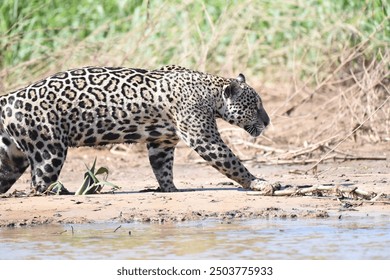
A Symphony of Mud and Macaws: Photographing the...
Hello, fellow nature enthusiasts! I’m Isabella "Izzy" Rodriguez, a 32-year-old wildlife photographer and conservationist hailing from the vibrant city of Miami. My passion lies in documenting the beauty and fragility of our planet’s endangered species and promoting ethical ecotourism. From my early work with Florida’s gentle manatees to a long-held dream of exploring the Pantanal, I've always sought to use my lens as a tool for conservation. That dream recently came true, and I'm excited to share my adventure with you, facilitated by Vistalocation, a platform that prioritizes eco-conscious tour operators committed to sustainable practices. I specifically chose “Pantanal Eco-Adventures” because they're a locally owned company who puts jaguar conservation first by dedicating a percentage of its profits toward protecting these majestic animals. Get ready to embark on a journey to the heart of Brazil’s Pantanal, a symphony of mud and macaws awaits!
Tracking Giants: My Jaguar Expedition
The Pantanal. Just the name conjured images of vast wetlands teeming with life, but one creature dominated my imagination: the jaguar. The Pantanal is the best location in the world for Pantanal jaguar conservation travel. Eager to fulfill my dream, my adventure began with a thrilling three-day jaguar tracking Pantanal with local guides. Jôao, our expert guide from Pantanal Eco-Adventures, possessed an uncanny ability to read the landscape. Each morning, we set out before dawn, scanning the muddy riverbanks for telltale signs. The anticipation was palpable.
Tracking jaguars is not for the faint of heart. We navigated through dense vegetation, pushing our small boat through narrow channels. Jôao patiently explained the nuances of the ecosystem, pointing out different bird species and sharing his deep knowledge of jaguar behavior. He showed immense respect for the animals and their habitat. I felt secure that I had booked a Pantanal wildlife photography tour with an ethical tour provider.
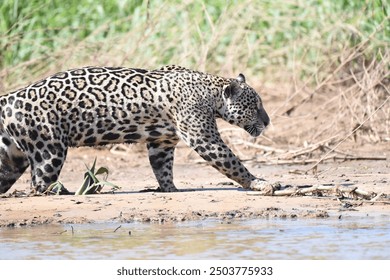
Then, it happened. A low growl echoed through the air. My heart pounded as Jôao signaled for silence. Through the trees, I spotted him: a magnificent male jaguar, nicknamed "Big George" by the locals, basking in the sun on a riverbank. I slowly raised my Canon EOS R5 with my 100-500mm lens and began to capture the moment. The sheer power and grace of this animal left me breathless. I captured stunning images of him – a memory I will cherish forever.
Sunset Serenade: Searching for Giant River Otters on the Rio Negro
Leaving the jaguars behind, our next adventure took us to the Rio Negro for a sunset boat tour in search of giant river otters. As the sun began to dip below the horizon, painting the sky in hues of orange and pink, the Pantanal came alive with a different kind of magic. The calls of the birds filled the air, reeds rustled in the gentle breeze, and the water shimmered with reflected light.
Our guide, Maria, expertly navigated the river, her eyes scanning the water for any sign of movement. I, camera in hand, was hoping to capture some action. Maria explained the growing threats facing the otters, including habitat loss and poaching, emphasizing the importance of ethical Pantanal ecotourism to their survival.
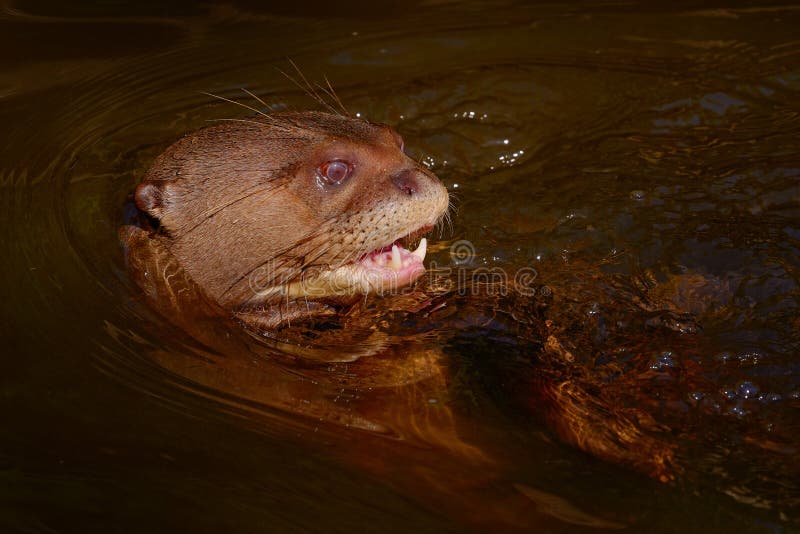
Suddenly, a chorus of high-pitched squeaks pierced the air. A family of giant river otters! They were frolicking in the water, chasing each other, and playfully wrestling. Their distinctive white markings stood out against their sleek, dark fur. I was able to capture a series of photographs documenting their playful behavior. It was an incredible experience to witness these endangered creatures in their natural habitat.
Where can I see giant river otters in the Pantanal?
The Rio Negro is a well-known area for sighting giant river otters in the Pantanal. Local guides, like Maria, understand their behavior and can locate families of otters based on their habits and sounds. Be sure to choose a tour operator committed to responsible wildlife viewing practices.
Eyes in the Dark: A Caiman Spotting Excursion
As darkness descended, we embarked on a nighttime caiman spotting excursion. Equipped with powerful flashlights, we glided silently through the inky waters in a small boat. The atmosphere was eerily beautiful. The only sounds were the gentle lapping of the water against the hull and the occasional rustle in the vegetation.
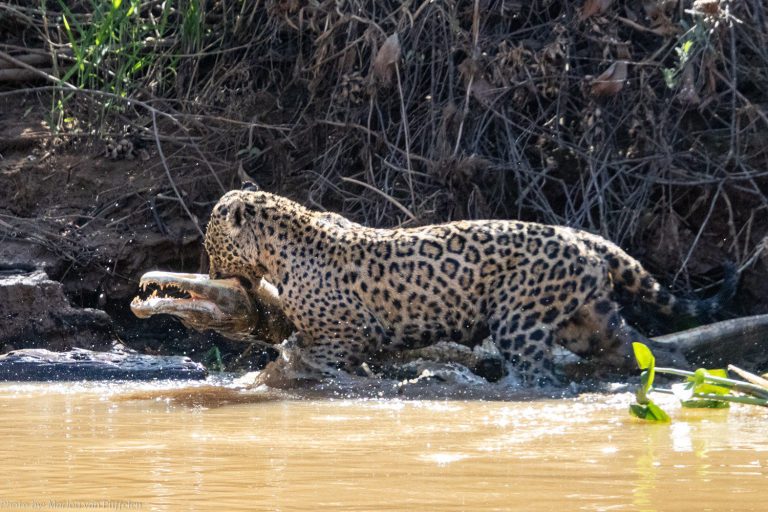
The beam of our flashlights pierced the darkness, revealing the glowing red eyes of caimans lurking just beneath the surface. It was a thrilling, and slightly unnerving, experience. I carefully framed my shots, capturing close-up photographs of these impressive reptiles. Their powerful jaws and prehistoric appearance were truly captivating.
A Taste of the Pantanal: Regional Cuisine and Culture
No trip to the Pantanal would be complete without experiencing the local cuisine and culture. One evening, we visited a traditional fazenda (ranch) for a taste of authentic pantaneiro life. I savored pacu, a local fish grilled over an open fire. The smoky flavor was incredible.
The lively atmosphere of the ranch was contagious. I enjoyed sharing chipas (cheese bread) with the local pantaneiro ranchers, feeling their warmth and hospitality.
What local cuisine should I try in the Pantanal?
The Pantanal offers unique culinary experiences. Be sure to try:
- Pacu: A local fish, often grilled, with a distinct smoky flavor.
- Chipas: Savory cheese bread, perfect for a snack or side dish.
- Cagaita: A small, sour fruit that grows wild in the Pantanal region.
The next day, I joined a foraging expedition to find wild cagaita fruits. These small, yellow fruits have a sour and somewhat astringent flavor, but they are an important food source for both humans and animals in the region. Experiencing this first-hand, I appreciated the Pantanal's environment even more.
A Landscape of Contrasts: Vast Plains and Vibrant Life
The essence of the Pantanal lies in its landscape. During the rainy season, the vast plains flood, creating a seemingly endless expanse of water. In the dry season, the dry forests buzz with the constant hum of cicadas.
The intricate network of rivers and oxbow lakes is vital for a rich biodiversity. Photographing hyacinth macaws, the world’s largest flying parrot, at a known nesting site near the Aquidauana River was a highlight. Their vibrant blue plumage against the backdrop of the green forest was breathtaking.
Capturing images of capybaras grazing peacefully along the riverbanks was another unforgettable experience. Their docile nature and communal lifestyle offered a soothing counterpoint to the intensity of the jaguar tracking. The Pantanal is the best location to photographing Pantanal wildlife.
Protecting the Soul of the Pantanal: A Call to Action
My journey through the Pantanal was a transformative experience, one that deepened my commitment to wildlife conservation and responsible travel. I encourage you to visit the Pantanal responsibly and support organizations working to protect its precious ecosystem. Ethical Pantanal ecotourism will go a long way to preserving the integrity of the Pantanal.
How can I support jaguar and macaw conservation in the Pantanal?
Consider supporting these organizations:
- Oncafari: An organization dedicated to jaguar conservation and research. https://oncafari.org/
- Instituto Arara Azul: Working to protect hyacinth macaws and their habitat. https://www.institutoararaazul.org.br/
Use Vistalocation to find eco-conscious tours, like those offered by Pantanal Eco-Adventures, that directly benefit local communities and contribute to the long-term sustainability of the Pantanal ecosystem. Let's work together to ensure that this symphony of mud and macaws continues to resonate for generations to come. I hope that my photographs will inspire others to protect this unique and precious ecosystem. Book your Pantanal photo safari today!