A Sweet Tooth's Pilgrimage: Unveiling Buenos Air...
Buenos Aires, a vibrant metropolis pulsating with South American energy, owes much of its charm and character to the waves of European immigrants who shaped its culture. Specifically, the influence of Italian and Spanish communities is undeniable, especially when it comes to the city's culinary landscape. Their traditions melded with local flavors, creating a dessert scene unlike any other. Get ready to embark on a delicious journey as we unveil five iconic sweet treats that define Buenos Aires. This is more than just a food tour; it's a cultural experience, a sweet pilgrimage through the heart of Argentina. Join us as we explore the best sweet treats Buenos Aires has to offer, all deeply rooted in European heritage.
Alfajores: Argentina's Sweet Sandwich
Imagine two delicate, crumbly cookies embracing a generous layer of creamy dulce de leche. That's an alfajor, Argentina's beloved sweet sandwich. Often coated in a dusting of powdered sugar or a rich chocolate glaze, these treats are a staple in cafes, kiosks, and homes throughout the country. The name "alfajor" comes from the Arabic word "al-hasú," meaning "filled," hinting at its origins far beyond South America.
A History Baked in Time
The history of the alfajor stretches back to Moorish Spain. Spanish colonizers brought these sweet delights to South America, where the recipe evolved. Local ingredients like cornstarch and, of course, dulce de leche, transformed the alfajor into the Argentinian icon we know and love today. The result is a truly unique dessert that blends old-world traditions with new-world flavors.
Where to Find the Perfect Alfajor
For a truly authentic experience, head to Havanna, a name synonymous with alfajores in Argentina. With multiple locations throughout Buenos Aires, Havanna has been crafting these sweet sandwiches since 1948. Their unwavering commitment to quality and tradition has made them a favorite among locals and tourists alike. Expect to pay around ARS 800 per alfajor, a small price for a taste of Argentinian history.
Medialunas: The Argentinian Croissant
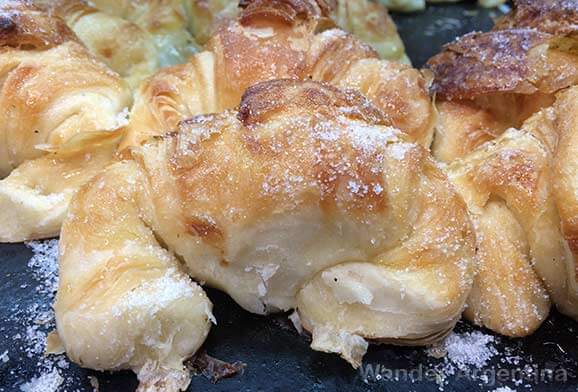
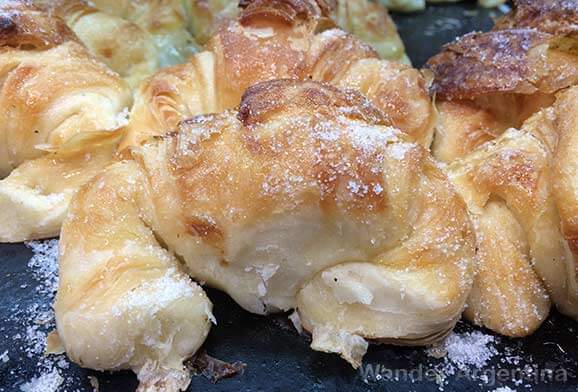
Step into any panadería (bakery) in Buenos Aires, and you'll be greeted by the aroma of freshly baked medialunas. These crescent-shaped pastries bear a striking resemblance to croissants but possess a distinct Argentinian character. They are denser, sweeter, and often brushed with a glistening glaze. Keep an eye out for medialunas de grasa, made with lard (less sweet), and medialunas de manteca, made with butter (sweeter). The sweetness of these is perfect with a strong cup of coffee.
An Austrian Influence
The medialuna's story is one of cultural exchange. Austrian immigrants introduced the croissant to Argentina, and local bakers adapted the recipe to suit Argentinian tastes. The result is a pastry that pays homage to its European roots while embracing its unique identity. You'll find them served alongside coffee at breakfast, enjoyed as an afternoon snack, or even as a light dessert.
The Glazed Perfection of Atelier Croissant
For a medialuna that rivals the best croissants in Paris, visit Atelier Croissant at Suipacha 532, CABA. This French bakery is renowned for its perfectly glazed and flaky medialunas, crafted with high-quality ingredients and a dedication to traditional techniques. Expect to pay around ARS 500 per medialuna, a worthwhile investment for a taste of pastry perfection. The Medialunas Atelier Croissant review is overwhelmingly positive, making this a must-visit for pastry lovers.
Dulce de Leche: Argentina's Liquid Gold
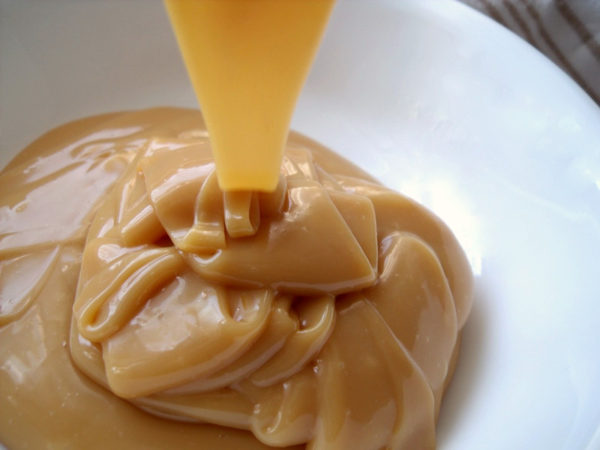
No exploration of Buenos Aires' sweet treats is complete without indulging in dulce de leche. This caramel-like spread, made by slowly heating sweetened milk, is a cornerstone of Argentinian cuisine. Its creamy texture and rich, sweet flavor make it irresistible on its own, or as a key ingredient in countless desserts. Dulce de leche production is an art, and the Argentinians have perfected it.
An Accidental Masterpiece?
The origins of dulce de leche are shrouded in a sweet mystery. The most popular story tells of a kitchen maid in 19th-century Argentina who accidentally left a pot of milk and sugar simmering on the stove for too long. The result? A serendipitous discovery that would forever change Argentinian gastronomy. While other countries also have versions of this treat, Argentina has truly claimed it as their own.
Chimbote: A Taste of Tradition
For a taste of authentic, artisanal dulce de leche, visit Chimbote at Carlos Calvo 253, San Telmo, CABA. This family-run business has earned a reputation for using traditional methods and high-quality ingredients to create a truly exceptional product. A jar of their liquid gold will set you back around ARS 1200, but the experience is priceless. This location is an ideal visit for those who want to buy dulce de leche in Buenos Aires airport.
Facturas: A Pastry for Every Palate
Step into any confitería (pastry shop) in Buenos Aires, and you'll be overwhelmed by the sheer variety of facturas on display. These pastries, often enjoyed with coffee or mate, come in a dizzying array of shapes, fillings, and toppings. Popular options include vigilantes (glazed puff pastry), sacramentos (filled with dulce de leche), and bolas de fraile (fried doughnuts). The names themselves hint at a fascinating chapter in Argentinian history.
An Anarchist's Delight
The names of many facturas have unusual origins. In the early 20th century, anarchist bakers gave them names like "vigilantes" (watchmen, meant to mock the police) and "sacramentos" (sacraments), as a subtle form of protest. This rebellious spirit adds another layer of intrigue to these already delicious pastries.
A Classic Selection at Confitería Dos Escudos
For a taste of classic facturas, head to Confitería Dos Escudos at Riobamba 1285, CABA. This beloved confitería is known for its wide variety of traditional pastries, from flaky vigilantes to dulce de leche-filled sacramentos. Expect to pay between ARS 250 and 500 per factura, depending on the size and filling. This is a great and affordable dessert tour Buenos Aires.
Helado Artesanal: Italian-Style Ice Cream
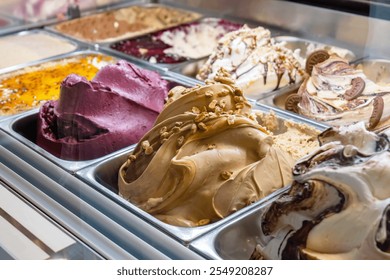
While not strictly Argentinian in origin, helado artesanal has become an integral part of Buenos Aires' dessert scene. This Argentinian version of Italian gelato is known for its smooth texture, intense flavors, and use of high-quality ingredients. From classic chocolate and vanilla to exotic fruit combinations, there's a helado flavor to satisfy every palate. The history of Italian immigration in Argentina directly led to the creation and popularization of helado artesanal.
An Italian Legacy
The influence of Italian immigrants on Argentinian cuisine is undeniable, and helado artesanal is a prime example. Italian gelato makers brought their skills and traditions to Argentina, where they adapted their recipes to incorporate local ingredients. The result is a unique style of ice cream that is both familiar and distinctly Argentinian.
The Artisanal Flavors of Rapanui
For a truly exceptional helado artesanal experience, visit Rapanui, with multiple locations throughout Buenos Aires. This popular ice cream shop is renowned for its artisanal flavors, made with fresh, high-quality ingredients. Be sure to try their decadent chocolate varieties, a true testament to the art of helado making. Expect to pay around ARS 1000 per scoop.
Conclusion
The sweet flavors of Buenos Aires tell a story of cultural exchange, blending European traditions with South American ingredients and ingenuity. From the Moorish origins of the alfajor to the Italian influence on helado artesanal, each dessert reflects the city's rich and diverse history. So, ditch the diet, embrace your sweet tooth, and embark on a delicious adventure through the cafes and confiterías of Buenos Aires. Don't forget to seek out local, family-owned establishments to support local businesses and learn more about the history of Argentinian desserts. Share your experiences on social media using #BuenosAiresSweetTooth and let us know what your favorite sweet treat is! Book your Buenos Aires desserts tour now!