A Sweet Journey: Discovering the Art of Wagashi...
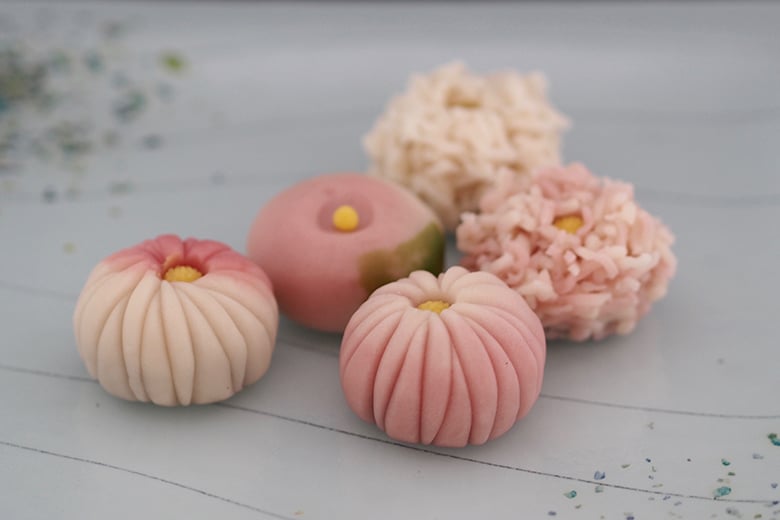
Kyoto, the ancient capital of Japan, is a city steeped in tradition, renowned for its serene temples, exquisite gardens, and, of course, its refined cuisine. Among its culinary treasures, wagashi, traditional Japanese confections, stand out as miniature edible artworks. These delicate sweets are not mere desserts; they are expressions of the seasons, embodiments of Japanese aesthetics, and integral parts of cultural rituals. Join us on a journey through Kyoto's wagashi scene, where we'll explore specific shops and experiences that showcase the very best of this art form.
Ippodo Tea Co.: A Symphony of Matcha and Wagashi
Our first stop is Ippodo Tea Co. (Teramachi-dori branch), a venerable institution that has been purveying the finest Japanese teas since 1717. Located on Teramachi-dori, Nijou, Kamigyo-ku, Kyoto, 602-0912, Japan, Ippodo offers more than just exceptional tea; it provides a holistic experience that includes meticulously selected wagashi pairings.
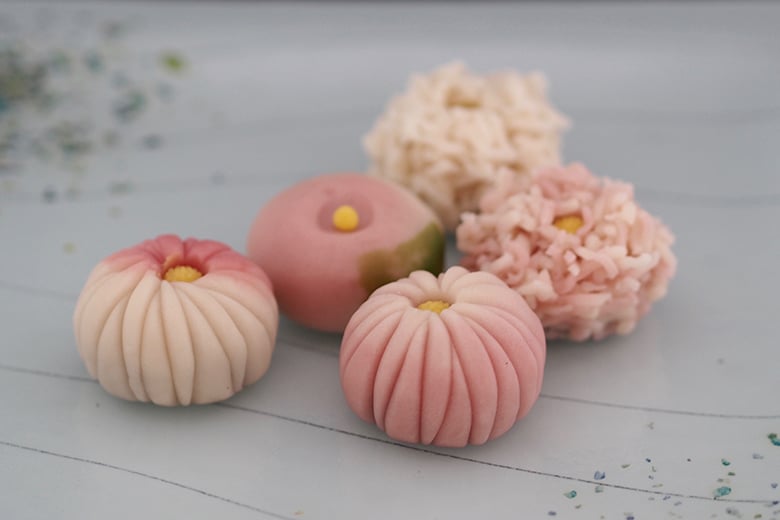
Here, the focus is on the subtle interplay of flavors between the tea and the sweets. Ippodo's knowledgeable staff can guide you through pairings that elevate both the tea and the wagashi to new heights. A particularly delightful experience is the pairing with nama-gashi (fresh confections) shaped like seasonal flowers. Imagine a delicate, almost translucent sweet, its petals crafted with incredible precision, mirroring the plum blossoms of early spring or the vibrant irises of summer. The slight sweetness of the wagashi enhances the umami and subtle bitterness of the matcha, creating a harmonious balance that delights the palate.
Kagizen Yoshifusa: Cool Elegance in Every Bite
Next, we venture to Kagizen Yoshifusa, located at 264 Gionmachi Kitagawa, Higashiyama Ward, Kyoto, 605-0073, Japan. This esteemed establishment boasts a rich history and a traditional atmosphere that transports you back in time. Kagizen Yoshifusa is famous for its kuzu-kiri, translucent arrowroot noodles served in a sweet syrup.
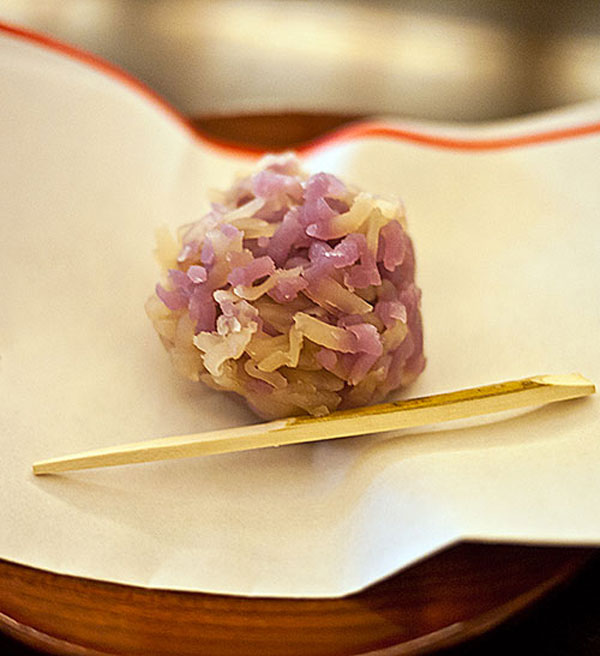
The kuzu-kiri experience is one of cool, refreshing textures and elegant presentation. The noodles, made from arrowroot starch, possess a unique, slippery texture that glides effortlessly down your throat. Served in a chilled, subtly sweet syrup, often flavored with kuromitsu (Japanese black sugar), this wagashi is the perfect antidote to Kyoto's humid summers. The presentation is equally exquisite, with the noodles carefully arranged in a beautiful lacquerware bowl, reflecting the shop's dedication to artistry and tradition. Kagizen Yoshifusa embodies the spirit of Kyoto wagashi – refined, elegant, and deeply rooted in history.
Demachi Futaba: A Taste of Everyday Kyoto
Our final stop takes us to a completely different setting: Demachi Futaba, located at Japan, 〒602-0823 Kyoto, Kamigyo Ward, Masuyacho, 341. This wagashi shop is a beloved institution among locals, known for its mame-mochi, soft rice cakes filled with sweet red bean paste and studded with salty soybeans.
The mame-mochi at Demachi Futaba offers a delightful contrast of flavors and textures. The soft, chewy rice cake gives way to the smooth sweetness of the red bean paste, while the salty soybeans provide a surprising and satisfying crunch. The combination is addictive, explaining the shop's perpetually long lines. Demachi Futaba's bustling atmosphere adds to the experience, providing a glimpse into the daily lives of Kyoto residents. Unlike the refined elegance of Kagizen Yoshifusa, Demachi Futaba offers a taste of everyday Kyoto – unpretentious, delicious, and deeply satisfying. This exemplifies the wagashi vegan Kyoto options available.
Immersing Yourself: The Art of Tea Ceremony and Wagashi
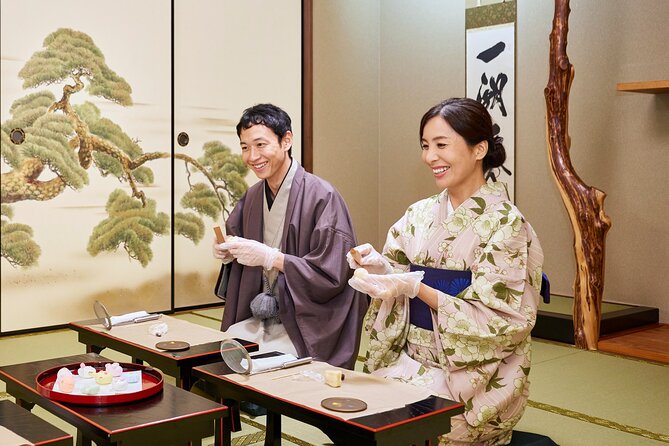
To truly appreciate the artistry of wagashi, consider participating in a traditional tea ceremony in Kyoto. This time-honored ritual is inextricably linked to wagashi, with the sweets serving as an essential accompaniment to the bitter matcha.
While many tea houses offer tea ceremony experiences, searching for experiences at Camellia flower tea house is a great starting point. During the ceremony, you'll witness the graceful movements of the host as they prepare the matcha with meticulous precision. Each step, from the whisking of the tea to the presentation of the bowl, is performed with mindful intention. The wagashi served during the ceremony is carefully chosen to complement the tea and reflect the season. The host will often explain the symbolism of the wagashi, highlighting its connection to nature and the changing seasons. This embodies the seasonal wagashi Kyoto.
You might be served a delicate nerikiri, a sculpted wagashi made from white bean paste and glutinous rice flour, shaped like a maple leaf in autumn or a cherry blossom in spring. As you savor the wagashi and sip the matcha, you'll gain a deeper understanding of the Japanese aesthetic philosophy of wabi-sabi, which embraces imperfection and transience.
Kyoto Wagashi Tour: A Gastronomic and Cultural Adventure
Kyoto wagashi offers a unique blend of gastronomic delight and cultural immersion. Whether you choose to savor the delicate flavors of Ippodo's matcha-paired nama-gashi, cool down with Kagizen Yoshifusa's refreshing kuzu-kiri, or experience the everyday charm of Demachi Futaba's mame-mochi, you're sure to be captivated by the artistry and tradition of these exquisite confections. And by participating in a tea ceremony, you can further deepen your appreciation for the integral role that wagashi plays in Japanese culture. Don't just visit Kyoto; experience it, one wagashi at a time. Consider a Kyoto wagashi tour or a wagashi making class Kyoto to fully immerse yourself. You can even find a wagashi workshop for foreigners Kyoto. Whether you are seeking wagashi allergy-friendly options or the best wagashi for souvenir Kyoto Japan, your journey will be a sweet one.
Make sure to seek out these specific shops and experiences to truly appreciate the beauty and flavor of Kyoto wagashi. Your palate and your soul will thank you.