A Primatologist's Return: Rwanda's Volcanoes Nat...
The familiar scent of damp earth and eucalyptus hit me as I stepped out of the vehicle, instantly transporting me back fifteen years. Volcanoes National Park. Even the name evokes a primal sense of awe. It's been too long, and yet, in many ways, it feels like yesterday I was last here, a fresh-faced graduate student eager to immerse myself in the world of mountain gorillas. But much has changed. The once-dusty park entrance is now a well-organized hub, a testament to the growth of responsible tourism and the tireless efforts of conservationists. My heart pounded with anticipation. Tomorrow, I trek again, to see the gorillas, to reconnect with the place that shaped my life. This time, with a deeper understanding of the stakes and a renewed commitment to their survival. Rwanda gorilla trekking, after all these years, felt like coming home.
The Anticipation of the Trek
Sleep evaded me that night. Memories swirled – the thrill of my first sighting, the intricate social dynamics within the families, the sheer power and grace of these magnificent creatures. But alongside the nostalgia was a healthy dose of apprehension. Fifteen years changes things. Would I recognize the gorillas I’d studied as youngsters? Would the park still hold the same magic? I knew the gorilla trekking permit was worth every penny, and that the money goes towards ongoing conservation efforts.
A Day Among Giants: Trekking to the Susa Family
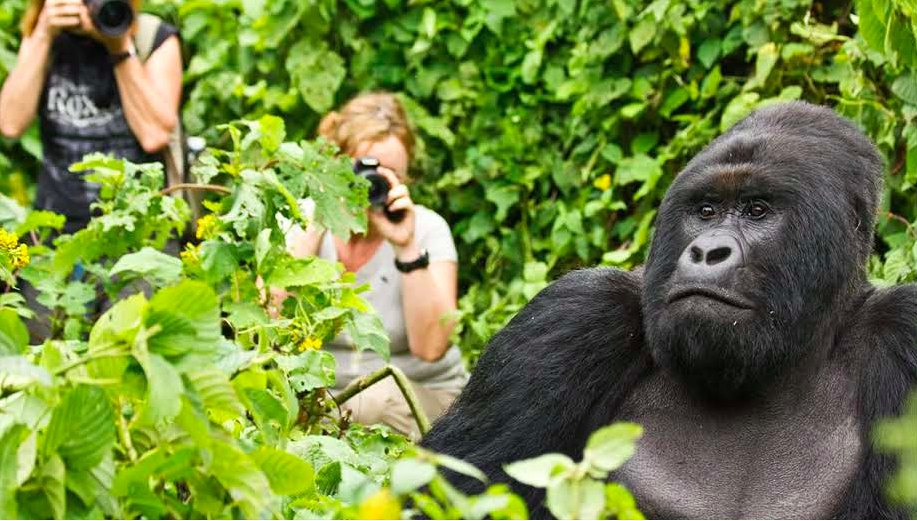
The morning began before dawn. A quick breakfast, followed by the briefing at park headquarters. The air crackled with excitement as the rangers outlined the day's plan, emphasizing safety protocols and the importance of respecting the gorillas' space. We were assigned to the Susa family, known for its large size and fascinating history. The lead guide stressed ethical gorilla trekking practices, reminding us to maintain a safe distance and avoid direct eye contact with the gorillas.
The hike was arduous, a steep ascent through dense rainforest. The air was thick with humidity, the sounds of unseen birds filled the canopy, and the undergrowth teemed with life. The guide skillfully navigated the tangled vegetation, hacking a path with his machete. Every rustle, every snap of a twig, heightened the anticipation. We were in their world now, and we were guests.
And then, we saw them.
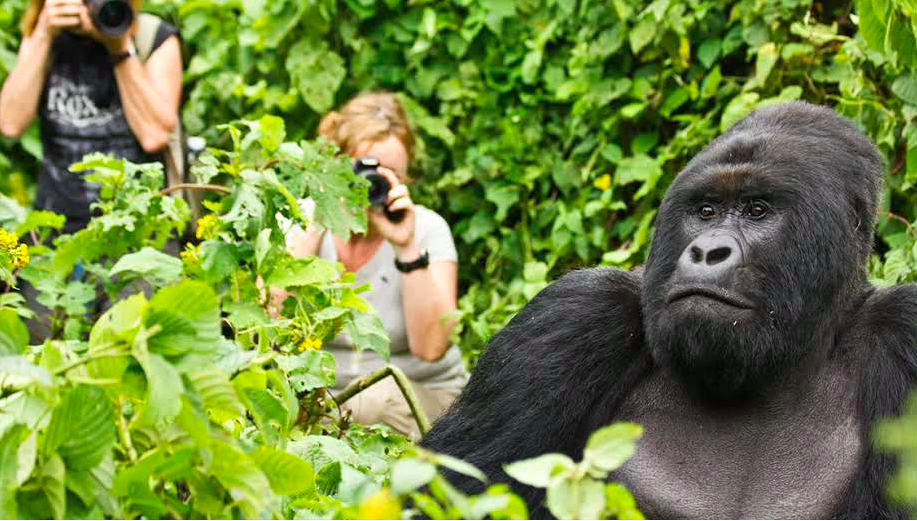
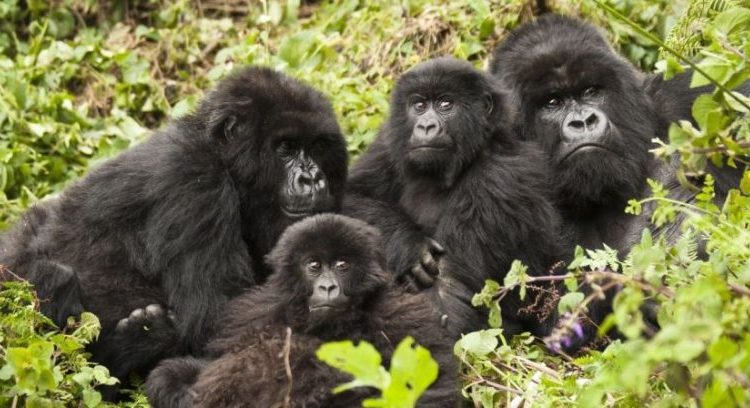
A hush fell over our group as we emerged into a small clearing. There they were: the Susa family. Mothers grooming their young, juveniles wrestling playfully, and then, my gaze locked onto him. A massive silverback, his eyes holding a depth of wisdom and power that took my breath away. It was him. Kigali. The mischievous juvenile I'd spent countless hours observing, now a dominant leader. His silver back gleamed in the dappled sunlight, his brow furrowed with the weight of responsibility. I recognized the slight notch in his left ear, a distinguishing mark from a long-ago squabble. And the way he would sometimes favor his right leg. My heart skipped a beat.
The Susa family is one of the largest habituated gorilla families in Volcanoes National Park. The dominant silverback, Kigali, maintains order within the group, resolving conflicts and protecting them from external threats. Observing Kigali interact with his family was mesmerizing. A gentle giant with the power to command, yet capable of incredible tenderness. I witnessed him carefully grooming a young infant, his huge fingers surprisingly delicate. Seeing the family dynamic unfold before my eyes reinforced the importance of protecting these complex social structures. This is one of the reasons why it is so important to book your mountain gorilla trekking permits well in advance. The experience is just life-changing.
The Legacy of Dian Fossey: A Visit to the Ellen DeGeneres Campus
My journey wouldn’t be complete without paying homage to the pioneer who dedicated her life to these incredible animals: Dian Fossey. The Ellen DeGeneres Campus of the Dian Fossey Gorilla Fund is a testament to her enduring legacy. The campus is more than just a research facility; it's a hub for conservation, education, and community engagement.
The exhibits are incredibly informative, detailing Fossey's groundbreaking research, the threats facing gorillas, and the ongoing conservation efforts. I was particularly impressed by the detailed displays on anti-poaching patrols and the Fund's community engagement programs. Habitat loss, driven by agricultural expansion and resource extraction, is a major threat. But, the Fossey Fund also works closely with local communities, providing education, healthcare, and economic opportunities, fostering a sense of stewardship for the gorillas and their habitat. Supporting the Dian Fossey Gorilla Fund is an investment in the future of these incredible animals.
Immersing in Rwandan Culture: Gorilla Guardians Village
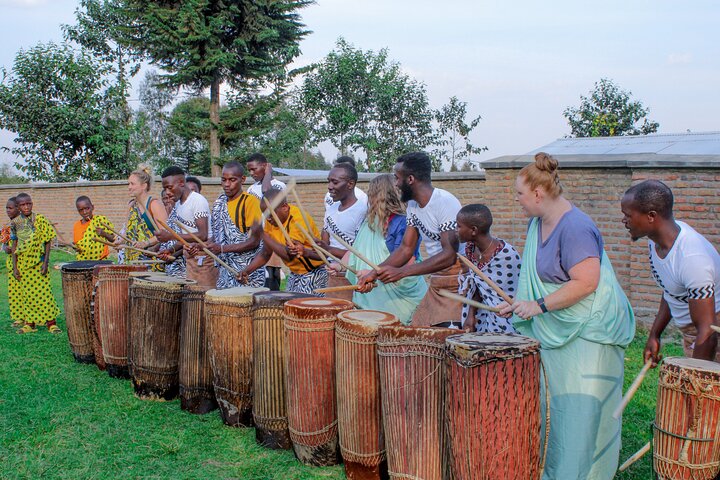
Formerly known as Iby'Iwacu Cultural Village, the Gorilla Guardians Village offers a fascinating glimpse into traditional Rwandan life. The village provides a unique opportunity to interact with local communities and learn about their customs and traditions. I participated in a traditional drumming circle, the rhythmic beats resonating deep within my soul. I learned about traditional medicine, discovering the healing properties of local plants. And I marveled at the vibrant traditional dances, each movement telling a story.
But perhaps the most significant aspect of the Gorilla Guardians Village is its economic impact on the local community. Tourism revenue directly supports the village, providing employment opportunities and funding education and healthcare initiatives. This ensures that conservation efforts benefit not only the gorillas but also the people who share their habitat. Experiencing the local Rwandan cultural experiences near Volcanoes Park is essential for gaining an understanding of the local people.
A Taste of Rwanda: Flavors of the Land
The visit to the Gorilla Guardians Village culminated in a delicious traditional Rwandan meal. I savored the flavors of Agatogo, plantains cooked in a rich peanut sauce, the sweetness of the plantains perfectly balanced by the savory sauce. The Brochettes, grilled goat skewers, were tender and flavorful, seasoned with local spices. And I cautiously sampled Urwagwa, banana beer, a surprisingly refreshing and mildly alcoholic beverage.
These foods are more than just sustenance; they are an integral part of Rwandan culture, reflecting the country's rich agricultural heritage. Plantains are a staple crop, providing a vital source of food and income. Goats are a symbol of wealth and status. And banana beer is a traditional drink, often served during ceremonies and celebrations.
Landscape and Livelihoods: A Delicate Balance
The landscape of Volcanoes National Park is breathtaking, a tapestry of dense rainforest clinging to the slopes of dormant volcanoes. The visible volcanic peaks of Karisimbi, Bisoke, and Mikeno dominate the horizon, their varying altitudes creating unique microclimates that support an incredible diversity of plant and animal life.
Outside the park boundaries, the landscape transforms into a patchwork of cultivated farmland. The contrast is stark, highlighting the challenges of balancing conservation with the needs of a growing population. It is important to find creative ways to hire local guides during gorilla trekking to support the local economy.
Hope for the Future: A Call to Action
Fifteen years ago, the future of mountain gorillas seemed precarious. Poaching was rampant, habitat loss was accelerating, and the population was dwindling. But today, thanks to the tireless efforts of conservationists, the Rwandan government, and local communities, the outlook is much brighter.
The mountain gorilla population is slowly increasing, a testament to the power of collaboration and commitment. But the challenges remain. Poaching still occurs, albeit at a much lower rate. Habitat loss continues to be a threat. And the long-term impacts of climate change are uncertain.
We must continue to support gorilla conservation through donations to organizations like the Dian Fossey Gorilla Fund https://gorillafund.org/ and by choosing responsible tourism operators that benefit local communities. Consider supporting Rwandan primatology research, so we can continue to collect data on this critically endangered population. By working together, we can ensure that these magnificent creatures thrive for generations to come. Rwanda primatology research needs your help!
Video Concept: Guardians of the Volcanoes
A short documentary highlighting the interconnectedness of gorilla conservation, community development, and tourism in Rwanda.
- Interviews: Feature park rangers discussing anti-poaching efforts and gorilla monitoring. Include community members from the Gorilla Guardians Village sharing how tourism has improved their lives. Interview Dr. Anya Sharma, reflecting on the progress made in gorilla conservation and the importance of continued support.
- Visuals: Capture stunning footage of gorillas in their natural habitat, showcasing their beauty and vulnerability. Include scenes of community life in the villages surrounding the park, highlighting the positive impact of tourism revenue.
- Narrative: Tell the story of how conservation efforts have transformed the lives of both gorillas and the local communities, emphasizing the importance of sustainable tourism and community engagement.
This documentary will underscore the importance of ethical travel in Rwanda, and support for gorilla conservation in Rwanda.