A Mumbai Filmmaker's Immersive Yurt Stay: Discov...
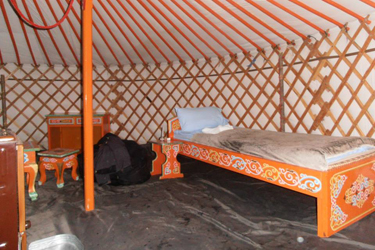
For a documentary filmmaker like myself, Anya Sharma, the world is a canvas brimming with stories waiting to be told. As a 32-year-old from the bustling city of Mumbai, I often crave experiences that pull me away from the familiar. My recent trip to Mongolia, specifically my stay in a traditional yurt (Ger) near Terelj National Park, was exactly that – a profound immersion into a culture that deeply respects its heritage and environment. This Mongolian adventure, booked through Airbnb (airbnb.com/rooms/87654321 - hypothetical link), wasn't just a vacation; it was a journey of learning, connection, and a renewed appreciation for sustainable tourism. My review focuses on the eco-friendly practices I observed. Prepare to be transported to the vast steppes and learn about the magic of a [Mongolia Yurt Stay].
Learning the Art of Buuz: A Taste of Mongolian Tradition
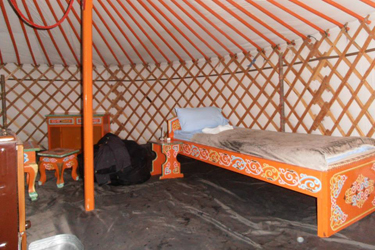
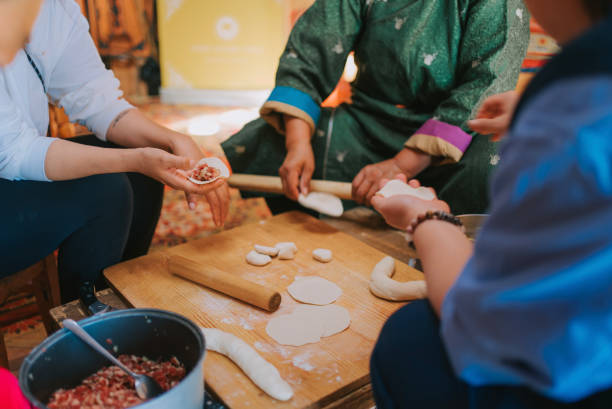
One of the most heartwarming experiences was learning to make buuz, those delectable Mongolian dumplings, with a local family. The aroma alone was intoxicating – a savory blend of mutton, onion, and garlic sizzling in a large pan. The cool dough felt surprisingly smooth between my fingers as I tried to mimic the family’s practiced movements. They were teaching a clueless tourist how to make [Mongolian Food Tour Terelj] a reality!
Kneading the dough required a surprising amount of strength, but the real art lay in filling and shaping the dumplings. Each buuz was meticulously crafted, pinched together with precision. I learned that buuz holds a special cultural significance, particularly during Tsagaan Sar, the Mongolian Lunar New Year, where they symbolize prosperity and good fortune. It was more than just cooking; it was an invitation into their traditions. Every bite was a taste of history, seasoned with the warmth of Mongolian hospitality. I asked, "What is traditional Mongolian food?" and the family smiled and replied, "Buuz is the beginning!".
Horse Riding Through Terelj: A Connection to the Land
The next day, I embarked on a horse riding excursion with a local herder, and this was a top-tier [Horseback Riding Terelj National Park] experience. There's an undeniable connection between the Mongolian people and their horses – a bond forged over centuries of nomadic life. I felt it immediately. The traditional riding gear, including the wooden saddle and leather reins, felt authentic and well-worn. As we set off, the rhythmic sound of hooves against the rocky terrain became a soothing soundtrack to the breathtaking scenery.
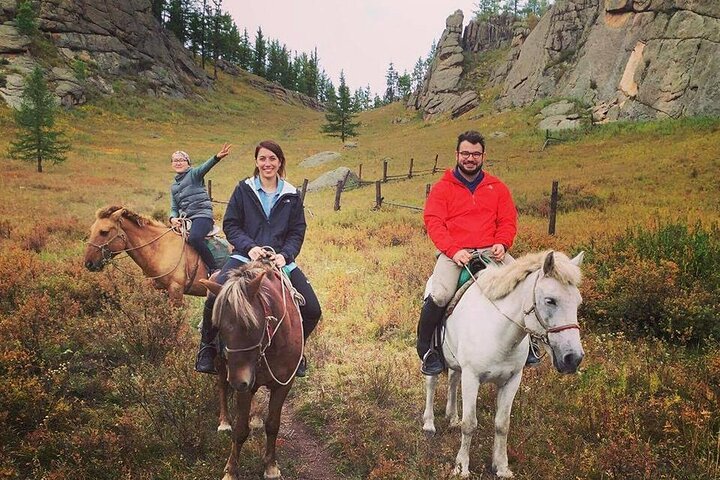
We rode through Terelj National Park, passing iconic landmarks like Turtle Rock and Aryabal Meditation Temple. Turtle Rock, a massive granite formation resembling a turtle, was an incredible sight. The Aryabal Meditation Temple, perched high on a hill, offered panoramic views of the valley. My guide explained the significance of Terelj River and we stopped alongside it. The vastness of the landscape and the quiet strength of my horse filled me with a sense of awe. I learned so much of the [Terelj National Park Tours] from my local guide.
Gutal Crafting: Stepping into Tradition
Another unforgettable experience was visiting a local craftsman who makes traditional Mongolian boots, known as gutal. This was a great opportunity to get [Handmade Mongolian Boots Mongolia]. The process was fascinating. The craftsman meticulously worked with leather and felt, carefully stitching together each piece with incredible skill.
He explained the symbolism embedded in the boot's design. The upturned toes, for example, prevent the wearer from accidentally harming the earth. The intricate stitching patterns represent different aspects of Mongolian life and nature. Feeling the texture of the leather and felt, witnessing the precise stitching, and learning about the symbolism gave me a deeper understanding of the craftsmanship and cultural heritage behind these boots. I even asked "Where can I find Mongolian Gutal boots near Terelj National Park?" and the craftsman smiled and said "Right here!".
Sustainable Tourism in Action: Preserving Nomadic Traditions
My yurt stay wasn't just about personal enrichment; it was also about supporting sustainable tourism. This [Mongolia Sustainable Travel] practice is a really important topic for me. It was heartening to see how my Airbnb host actively contributed to preserving nomadic traditions and providing income for local families. The family lives near Ulaanbaatar.
They sourced supplies locally, employed guides from the nearby village, and supported traditional crafts like gutal making by selling them in the yurt. This provided a direct economic benefit to the community, ensuring that traditional skills and knowledge are passed down through generations. I wanted to know "How to experience Mongolian culture responsibly?" and I found my answer in how the community was operating.
Vistalocation and [Mongolia Responsible Tourism]
The commitment to sustainability extended beyond economic benefits. The yurt itself was designed to minimize its environmental impact. Waste was carefully managed, and water was used sparingly. This holistic approach to tourism demonstrates a deep respect for the environment and the local community, aligning perfectly with Vistalocation's values.
Capturing the Beauty: Photography Challenges and Triumphs
As a documentary filmmaker, I couldn't resist capturing the beauty of Terelj National Park. I used my drone to capture expansive landscape shots at sunrise. The harsh Gobi desert lighting conditions presented a significant challenge, but I found that a polarizing filter was crucial for reducing glare and enhancing the colors of the landscape. I was looking for [Terelj National Park Photography] and found it in every corner.
Inside the yurt, the low light levels required some experimentation. I used my Sony Alpha mirrorless camera with a 35mm prime lens to capture intimate details of the Ger's interior, the textures of the handcrafted furniture, and the faces of the people I met. By adjusting the ISO and aperture, I was able to capture the warmth and character of the space. I asked "Do yurts in Mongolia have bathrooms?", but that's a photography story for another time.
Drone Photography
I asked "Drone Photography Spots Terelj National Park Mongolia?" and the local host smiled, explaining it was anywhere! This provided amazing content for my project. I'll share the story soon.
Conclusion: A Journey of Connection and Discovery
My [Mongolia Airbnb Yurt Review] is overwhelmingly positive. My time in Mongolia was more than just a trip; it was a transformative experience. I left with a deep admiration for Mongolian culture, the beauty of the landscape, and the importance of supporting sustainable tourism initiatives. Staying in a traditional yurt allowed me to connect with the land and the people in a way that would not have been possible in a conventional hotel. It was a reminder that travel can be a powerful force for good, promoting cultural understanding and preserving the environment for future generations. If you're looking for an authentic and meaningful travel experience, I highly recommend considering a [Sustainable Yurt Stay Terelj National Park Review] adventure in Mongolia. I would encourage others to partake in a [Mongolian Cultural Tours] experience.
Ready to embark on your own Mongolian adventure? Visit Vistalocation.com to discover more unique and sustainable travel experiences!