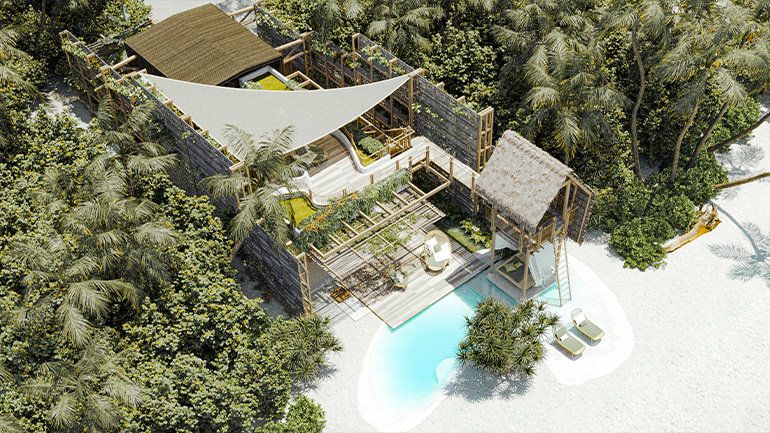
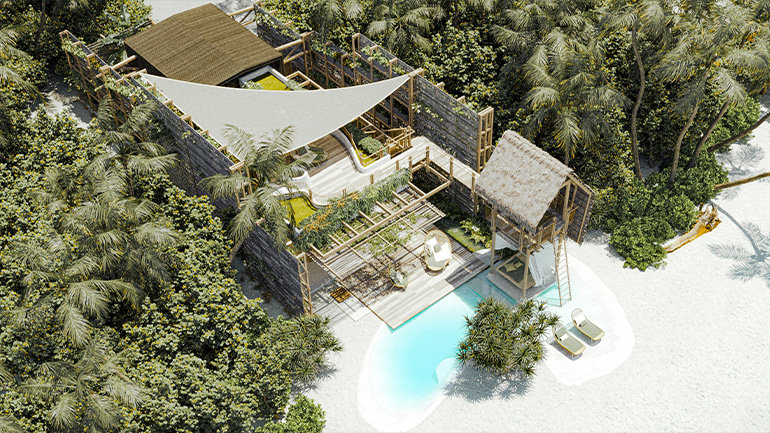
A Marine Biologist's Perspective: The Brando, A...
As a marine biologist and conservationist, I've dedicated my life to understanding and protecting our planet's precious marine ecosystems, especially coral reefs. I recently attended a conference on coral reef preservation in French Polynesia, held at a place I'd long admired from afar: The Brando. I went in with high expectations, knowing its reputation as a luxury eco-resort, but left utterly impressed by its dedication to sustainable tourism French Polynesia and its impactful marine research partnerships. This isn't just a review; it's a firsthand account of a resort truly walking the walk when it comes to environmental responsibility. My time at The Brando opened my eyes to the possibility of luxury and sustainability coexisting harmoniously, setting a new standard for responsible travel.
Witnessing the Magic: The Brando's Sea Turtle Protection Program
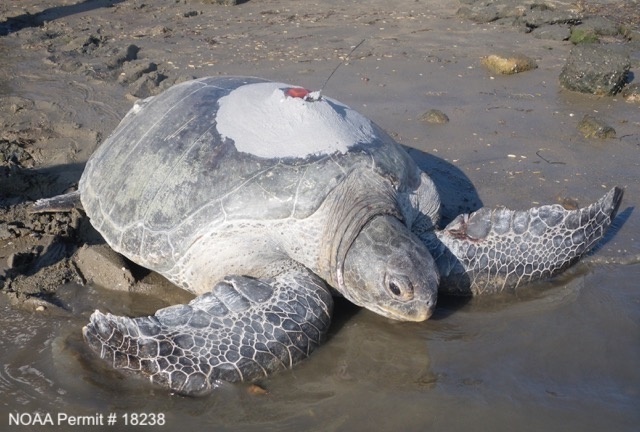
One of the most rewarding experiences during my stay was shadowing the resort's dedicated marine biologist team. I was able to observe their work firsthand with The Brando’s Sea Turtle Protection Program. Getting up before sunrise, we patrolled the pristine beaches of Tetiaroa Atoll, on the lookout for nesting sea turtles. We were primarily looking for Green Sea Turtles (Chelonia mydas) and Hawksbill Turtles (Eretmochelys imbricata), both iconic species facing immense pressure from habitat loss, poaching, and climate change.
The process was meticulous. We carefully identified freshly laid nests, noting their GPS coordinates and marking them with protective barriers to prevent accidental disturbance. We also had the incredible opportunity to tag a nesting female Green Sea Turtle. This involved carefully measuring her carapace length and width, attaching a unique identification tag, and collecting a small DNA sample. This data is crucial for monitoring turtle populations, tracking their movements, and understanding their reproductive success.
Over the past five years, the resort's team has documented an average of 80-100 nests per year, with a hatching success rate of around 75%. While these numbers are encouraging, the team faces constant challenges, including predation by seabirds and ghost crabs, as well as the impacts of rising sea levels on nesting beaches.
What truly impressed me was The Brando's commitment to educating both guests and the local community about sea turtle conservation. They host regular presentations, guided walks, and hands-on workshops to raise awareness and inspire action. Children from nearby islands participate in the program, fostering a sense of stewardship for these magnificent creatures.
Powering Paradise: Renewable Energy Sources & Climate Initiatives
Beyond the sea turtle program, I was eager to learn about The Brando's efforts in renewable energy islands and climate mitigation. I was given a detailed tour of the resort's sustainable energy infrastructure. The most remarkable aspect is its use of seawater air conditioning (SWAC). This innovative system pumps cold seawater from the deep ocean to cool the resort's buildings, significantly reducing the need for traditional air conditioning, a major energy consumer. In fact, the SWAC system reduces energy consumption for cooling by over 90% compared to conventional methods.
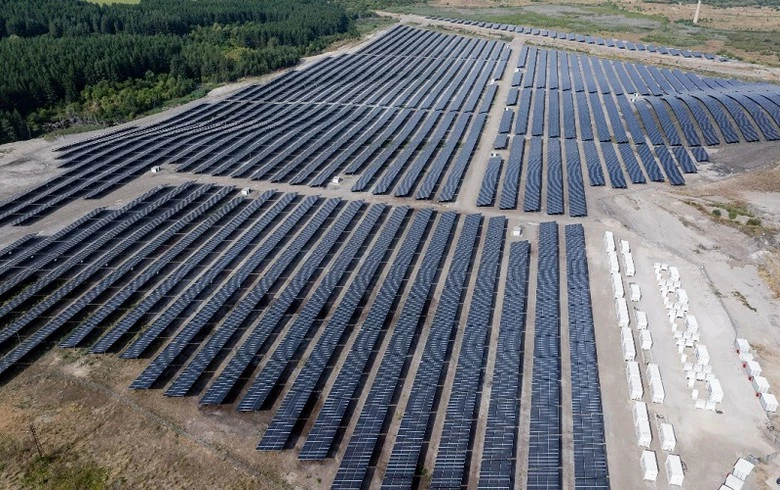
The resort also boasts an extensive solar panel array, which generates a significant portion of its electricity. The goal is to achieve complete carbon neutrality, and they are well on their way. Currently, solar power provides roughly 65% of the resort's electricity needs, with the remaining portion sourced from biofuel generators. The Brando reports a 70% reduction in its carbon footprint since implementing these initiatives.
One particularly fascinating area of exploration is Ocean Thermal Energy Conversion (OTEC). While not yet fully implemented, OTEC holds immense potential for generating clean, renewable energy from the temperature difference between warm surface water and cold deep ocean water. The Brando is actively researching and investing in OTEC technology as a potential future energy source. Implementing this technology would be ground breaking for similar resorts across the world.
Diving into Discovery: Marine Research Partnership with Scripps
A cornerstone of The Brando's commitment to coral reef conservation is its marine research partnerships, most notably with the Scripps Institution of Oceanography. I had the privilege of visiting the resort's on-site marine research lab, a hub of cutting-edge scientific investigation. The team is currently involved in several critical projects, including coral reef health monitoring, ocean acidification studies, and assessing the impacts of climate change on marine ecosystems.
I was particularly impressed by their use of Autonomous Reef Monitoring Structures (ARMS). These intricate devices are deployed on the reef to attract and capture a wide range of marine organisms, from tiny invertebrates to small fish. The data collected from ARMS provides a comprehensive snapshot of reef biodiversity and helps scientists track changes over time. Reef health is evaluated based on coral cover, fish biomass, and water quality, all tracked using sophisticated technology. Current estimates are that coral cover around Tetiaroa has declined by 15% in the past decade, highlighting the urgency of their work. However, the studies also show that areas near the resort, specifically targeted for conservation, demonstrate higher resilience.
I was thoroughly impressed by the rigor and dedication of the research team. Their work is contributing significantly to our understanding of coral reef ecosystems and informing conservation strategies worldwide.
The Brando: A Holistic Approach to Sustainable Tourism
The Brando's commitment to sustainability extends far beyond energy and research. The resort boasts thriving organic gardens that supply fresh produce to its restaurants, reducing reliance on imported food and supporting local agriculture. Waste management practices are equally impressive, with comprehensive recycling and composting programs in place.
Furthermore, The Brando actively supports local Polynesian culture and traditions through employment opportunities, educational programs, and partnerships with local artisans. The resort provides jobs to island locals and showcases Polynesian art. This helps preserve the legacy of the islands, and respects the cultures of the surrounding regions.
The commitment to sustainable tourism French Polynesia isn't just lip service; it's deeply ingrained in every aspect of the resort's operations. This luxury eco-resort is proof that you can travel responsibly without sacrificing comfort or elegance.
Conclusion: A Beacon of Hope for Sustainable Luxury
My experience at The Brando was truly transformative. It demonstrated the power of innovative technology, scientific research, and community engagement to create a truly sustainable tourism model. The Brando is more than just a luxury eco-resort; it's a beacon of hope for the future of travel. I encourage anyone seeking an unforgettable vacation experience that aligns with their values to consider a stay at The Brando. It is a location that provides an experience of true luxury, with a conscience.
To learn more about The Brando's sustainability initiatives and book your own eco-conscious getaway, visit their website here: The Brando