A Food Lover's Guide to Kyoto: Exploring Shojin...
Kyoto, Japan, a city celebrated for its ancient temples, serene gardens, and rich cultural heritage, also offers a unique culinary journey for food-loving travelers. Beyond the traditional Kaiseki dinners and ramen shops lies a world of vegetarian and vegan delights deeply rooted in history and philosophy. This guide dives into the heart of Shojin Ryori Kyoto, the traditional Buddhist vegetarian cuisine, and explores the blossoming vegan Kyoto food scene, offering a taste of both the ancient and the modern. Get ready to discover a culinary adventure where seasonal ingredients and mindful preparation create unforgettable dining experiences.
Delving into the World of Shojin Ryori
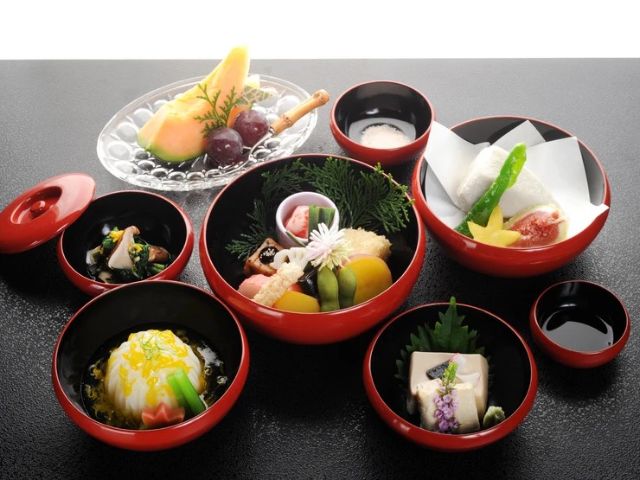
What is Shojin Ryori? Shojin Ryori, meaning "devotion cuisine," is a traditional vegetarian cuisine originating from Zen Buddhist temples in Japan. Rooted in the principles of ahimsa (non-violence) and mindfulness, Shojin Ryori abstains from using meat, fish, or other animal products, as well as pungent vegetables like garlic and onion, which are believed to stimulate the senses and hinder meditation. This cuisine emphasizes the use of seasonal, locally sourced vegetables, tofu, and other plant-based ingredients to create nourishing and flavorful dishes.
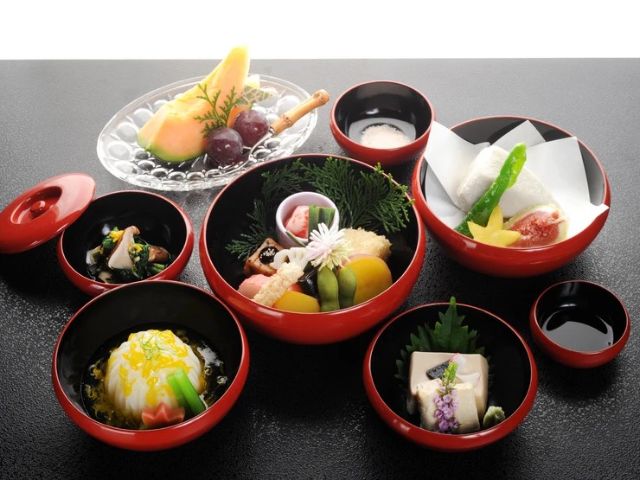
The philosophy behind Shojin Ryori extends beyond mere abstention. It’s about appreciating the natural flavors of ingredients, minimizing waste, and preparing food with a sense of gratitude and reverence. Each dish is carefully crafted to nourish the body and mind, promoting balance and harmony.
Experiencing Authentic Shojin Ryori in Kyoto
Kyoto offers several opportunities to experience authentic Shojin Ryori temple Kyoto. One notable location is Shigetsu, a restaurant within the stunning Tenryu-ji Temple in Arashiyama. Here, you can savor meticulously prepared dishes such as:
- Goma Dofu: Creamy sesame tofu, a signature Shojin Ryori dish.
- Vegetable Tempura: Delicate tempura showcasing the freshest seasonal produce.
- Clear Broth Soup: Featuring locally sourced vegetables, a light yet flavorful creation.
Another popular option is Yodofu Okutan, located near Nanzen-ji Temple, renowned for its creamy tofu dishes. This restaurant offers a variety of tofu-based delicacies, allowing you to experience the versatility of this essential ingredient.
Is Shojin Ryori always vegan?
While Shojin Ryori is traditionally vegetarian, some variations might use dashi (Japanese soup stock) made with bonito flakes (dried fish). Therefore, it's essential to confirm with the restaurant if you require a strictly vegan meal. Many establishments are happy to accommodate dietary restrictions.
Shojin Ryori for Beginners: De-mystifying the Cuisine
Feeling intimidated? Don't be! Shojin Ryori is a beautiful and accessible cuisine. The focus on fresh, seasonal vegetables and simple preparation techniques makes it easy to appreciate. Embrace the opportunity to try new flavors and textures, and allow yourself to be transported by the mindful experience.
Shojin Ryori Kyoto price range
The cost of Shojin Ryori in Kyoto can vary depending on the restaurant and the complexity of the meal. Expect to pay anywhere from ¥3,000 to ¥10,000 or more per person for a multi-course meal. Lunch sets are often more affordable than dinner.
Exploring the Modern Vegan Scene in Kyoto
While Shojin Ryori offers a glimpse into Kyoto's traditional vegetarian roots, the city's modern vegan scene is thriving with innovative and creative options.
Vegan Restaurants Kyoto Japan
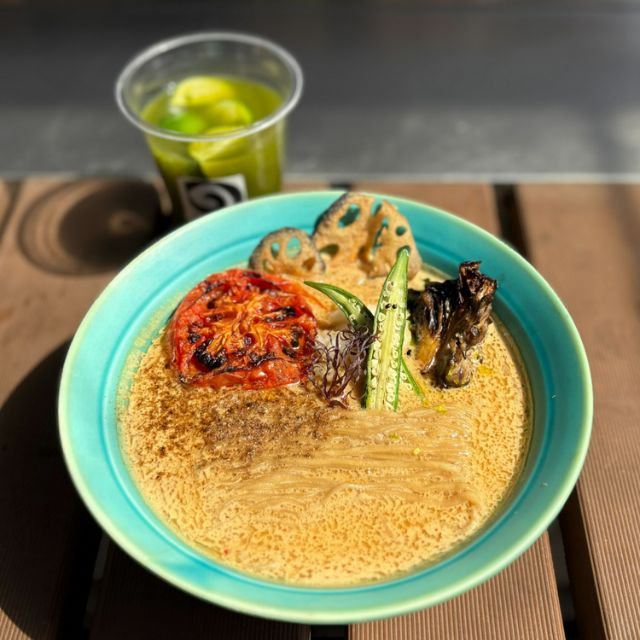
Vegan ramen is a must-try for any food-loving traveler. Several establishments offer this comforting dish with a unique Kyoto twist, such as yuzu-infused vegetable broth. These modern interpretations highlight the versatility of plant-based ingredients.
You can also find vegan patisseries offering delectable matcha-infused pastries and other plant-based sweets. These treats provide a delightful way to experience Kyoto's famed matcha culture in a vegan-friendly format.
Gluten Free Vegan Kyoto
For those with dietary restrictions, finding gluten-free vegan options can be a challenge. Luckily, many restaurants in Kyoto are becoming increasingly aware of dietary needs and offer modifications or specific menu items. Look for restaurants that explicitly advertise gluten-free options or are willing to customize dishes.
Top rated vegan cafes in Kyoto Japan
Beyond ramen and pastries, Kyoto boasts a range of vegan cafes serving everything from burgers and sandwiches to traditional Japanese dishes with a vegan twist. Exploring these cafes offers a chance to experience the creativity and innovation of Kyoto's vegan chefs.
Vegan okonomiyaki Kyoto recommendations
Okonomiyaki, a savory pancake, is a popular Japanese dish. While traditionally made with egg and sometimes meat, vegan versions are becoming more readily available in Kyoto. Seek out restaurants that offer a vegan okonomiyaki option using plant-based batter and fillings.
Ethical vegan food tour Kyoto
For travelers seeking a curated experience, consider joining an ethical vegan food tour. These tours offer a chance to discover hidden gems, learn about the local food culture, and support sustainable and ethical businesses.
Budget friendly vegan meals Kyoto
Traveling on a budget? Don't worry, enjoying vegan food in Kyoto doesn't have to break the bank. Explore local markets for fresh produce, seek out smaller eateries, and consider trying a vegan bento box for an affordable and convenient meal.
Practical Advice for Experiencing Vegan Food in Kyoto
Here's some practical advice to help you navigate the culinary landscape and make the most of your vegan food journey in Kyoto:
- Plan Ahead: Research restaurants and cafes in advance, especially if you have specific dietary needs or preferences.
- Make Reservations: For popular Shojin Ryori restaurants, reservations are highly recommended, particularly during peak season.
- Learn Basic Japanese Phrases: Knowing a few basic phrases, such as "vegan desu" (I am vegan) and "niku nashi" (no meat), can be helpful when communicating your dietary needs.
- Embrace the Culture: Be respectful of local customs and traditions, particularly when dining at temples.
- Be Open to New Experiences: Don't be afraid to try new dishes and flavors. Kyoto's vegan scene offers a diverse range of culinary delights waiting to be discovered.
Vegan Bento Box Kyoto
For a quick and convenient meal, look for vegan bento boxes. These packed lunches often include a variety of dishes, offering a balanced and satisfying meal on the go.
What is the difference between Shojin Ryori and regular vegan food?
| Feature | Shojin Ryori | Regular Vegan Food |
|---|---|---|
| Origin | Zen Buddhist temples | Modern lifestyle choice |
| Philosophy | Mindfulness, non-violence, seasonal ingredients | Ethical, environmental, or health concerns |
| Restrictions | No animal products, pungent vegetables (garlic, onion) | No animal products |
| Emphasis | Simplicity, natural flavors | Variety, innovation, and global cuisines |
Kyoto Tea Ceremony
Enhance your cultural experience by pairing your Shojin Ryori or vegan treats with a traditional Kyoto tea ceremony. Many tea houses offer vegan-friendly sweets and teas, allowing you to immerse yourself in the art of the tea ceremony while adhering to your dietary preferences.

Hidden gem vegan restaurants Kyoto
Venture beyond the well-known establishments and discover hidden gem vegan restaurants tucked away in Kyoto's charming neighborhoods. These smaller eateries often offer unique and authentic dining experiences with a focus on local ingredients and traditional techniques.
Are there Shojin Ryori cooking classes in Kyoto?
Yes, some cooking schools and cultural centers in Kyoto offer Shojin Ryori cooking classes in English. These classes provide a hands-on opportunity to learn about the philosophy and techniques behind this traditional cuisine.
Vegan Kaiseki Kyoto experience
For a truly luxurious vegan dining experience, seek out restaurants that offer a vegan Kaiseki menu. Kaiseki is a traditional multi-course Japanese meal that emphasizes seasonal ingredients and artistic presentation. Vegan Kaiseki showcases the culinary artistry of Japanese chefs using only plant-based ingredients.
Conclusion: A Culinary Journey for Every Palate
Kyoto's culinary scene offers a delightful blend of tradition and innovation, catering to both seasoned vegans and curious food enthusiasts. Whether you're seeking the spiritual nourishment of Shojin Ryori or the contemporary flavors of modern vegan Kyoto, this city promises a unique and unforgettable dining experience. So, embark on your culinary adventure, explore the diverse options, and discover the delicious harmony between tradition and innovation that Kyoto has to offer.
Ready to plan your trip? Check out our Kyoto vacation rentals!