A Design Retreat at Fogo Island Inn: Sustainable...
As Brigitte Shim of Shim-Sutcliffe Architects, I recently had the privilege of experiencing a five-day design retreat at the extraordinary Fogo Island Inn. This wasn't merely a luxurious getaway; it was an immersive exploration into the power of sustainable architecture and community tourism. The Inn, a testament to innovative design and thoughtful execution, left an indelible mark on my understanding of how architecture can enhance both the natural and cultural landscape. This Fogo Island Inn stay transcended a typical hotel experience and provided a rich interaction with the unique culture and land.
First Impressions: Architecture Against the Rugged Landscape
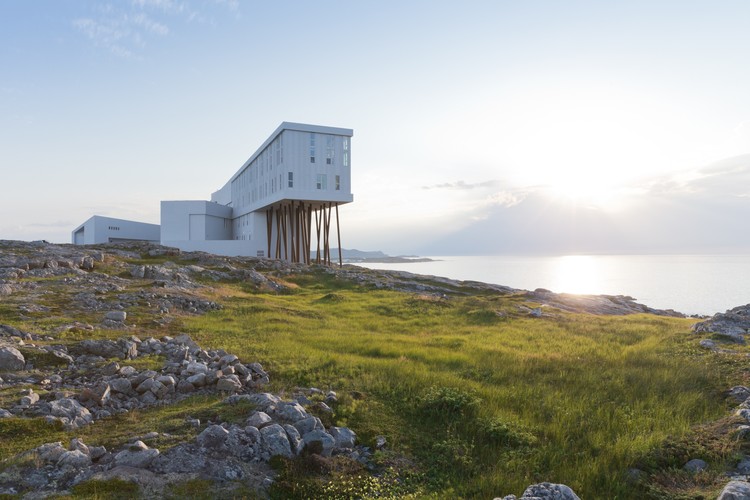
The initial visual impact of the Fogo Island Inn is striking. Against the backdrop of the rugged, windswept Newfoundland coastline, the Inn stands as a testament to modern design. Its stark white facade contrasts dramatically with the dark, rocky shores and the vast expanse of the Atlantic Ocean.
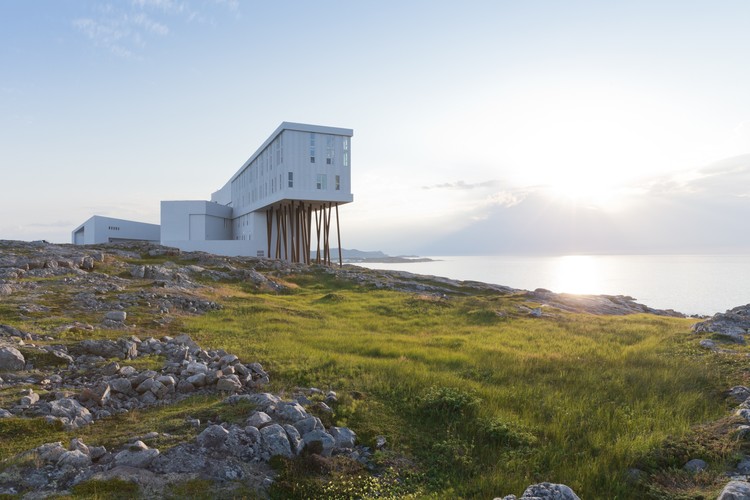
What truly sets the Inn apart is its thoughtful integration with the environment. The cantilevered design allows the structure to seemingly float above the landscape, minimizing its footprint and environmental impact. Its modular construction is evident in the clean lines and geometric forms, showcasing a deliberate effort to blend with, rather than dominate, the surroundings. The choice of materials, predominantly locally sourced wood and stone, further enhances this connection. The weathered wood cladding, reminiscent of traditional Newfoundland fishing stages, gives the Inn a sense of belonging, as if it has always been a part of the island’s narrative. This sustainable architecture Newfoundland is not just about aesthetics; it's about respecting and preserving the integrity of the natural environment.
Locally Sourced Materials: A Palette of Sustainability
The Inn's aesthetic is deeply rooted in its commitment to sustainable building materials. The use of locally sourced wood, primarily spruce and fir, is evident throughout the interior and exterior. This not only reduces the carbon footprint associated with transportation but also supports the local economy. The stone used in the foundation and landscaping is also sourced from the island, further minimizing the environmental impact.
The impact of these materials on the Inn’s aesthetic is profound. The warm tones of the wood create a sense of comfort and intimacy, while the rough texture of the stone adds a grounding element. The interior spaces are bathed in natural light, accentuating the natural beauty of the materials and creating a connection to the outdoors. The design team understood the importance of showcasing these materials in their raw, unadorned state, celebrating their inherent beauty and contributing to the Inn's overall sense of authenticity.
Passive Heating and Cooling: Harmonizing with Nature
Beyond the selection of materials, the Fogo Island Inn employs a range of passive heating and cooling strategies to reduce its environmental impact. The building's orientation is carefully considered to maximize solar gain in the winter and minimize it in the summer. Large windows on the south-facing facade capture the sun's warmth during the colder months, while strategically placed overhangs provide shade during the warmer months.
Natural ventilation is also a key component of the Inn's design. Operable windows and strategically placed vents allow for cross-ventilation, reducing the need for air conditioning. The thick walls and well-insulated roof provide thermal mass, helping to regulate the temperature inside the building and further reduce energy consumption. These strategies create comfortable interior spaces year-round, while minimizing the Inn's reliance on fossil fuels.
Meeting the Artisans: The Heart of the Shorefast Foundation
One of the most rewarding aspects of my design retreat was the opportunity to interact with the artisans connected to the Shorefast Foundation. This remarkable organization is dedicated to revitalizing the local economy and preserving traditional skills. I had the privilege of meeting several craftspeople who contribute their talents to the Inn's design and operation.
I spent an afternoon with the weavers who create the exquisite textiles for the Inn’s rooms. Their skill and dedication were truly inspiring. They use traditional weaving techniques passed down through generations to create unique patterns and textures that reflect the island's history and culture. Meeting these artisans, learning about their craft, and witnessing their passion for their work deepened my appreciation for the Inn's commitment to supporting the local community.
I was also fortunate to meet the woodworkers who build the custom furniture for the Inn. They use locally sourced wood and traditional woodworking techniques to create pieces that are both functional and beautiful. Each piece is handcrafted with meticulous attention to detail, showcasing the skill and artistry of the local craftspeople. The Shorefast Foundation empowers these local artisans, offering them fair wages, training, and opportunities to showcase their work to a global audience. This commitment to cultural preservation is a vital part of the Inn's mission.

Immersing in Fogo Island Culture: Activities and Experiences
The design retreat also provided opportunities to immerse myself in the unique culture and natural environment of Fogo Island. I attended a traditional storytelling session led by a local elder, learning about the island's rich history and folklore. His stories brought the island to life, painting vivid pictures of its past and present. I also went on a hike with a local geologist, exploring the island's unique rock formations and learning about its geological history. This experience deepened my understanding of the island's natural beauty and the forces that have shaped it over millennia.
One of the most memorable experiences was participating in a woodworking workshop focused on Fogo Island boat building techniques. Under the guidance of a skilled boat builder, I learned about the traditional methods used to construct the island's iconic fishing boats. This hands-on experience provided a tangible connection to the island's maritime heritage and further solidified my appreciation for the skill and craftsmanship of the local community. The Fogo Island Inn experience is not just about luxury accommodation; it's about connecting with the island's soul.
A Model for Responsible Tourism: Impact and Reflection
The Fogo Island Inn stands as a model for responsible travel Canada and cultural preservation. It is a testament to how thoughtful architecture can enhance the natural and cultural landscape, rather than detract from it. The Inn's commitment to sustainability, its support for the local community, and its dedication to preserving traditional skills have had a profound and positive impact on the island's economy and community.
The Inn has created jobs, stimulated economic growth, and provided opportunities for local artisans to showcase their work. It has also helped to preserve the island's unique culture and heritage, ensuring that these traditions are passed on to future generations. As a designer, I believe that architecture has the power to shape the world around us. The Fogo Island Inn is a shining example of how architecture can be a force for good, creating a more sustainable, equitable, and culturally rich future. This eco-luxury destination truly lives up to its name.
The Inn offers an exceptional example of how carefully considered design, coupled with a deep respect for local culture and the environment, can result in something truly special. From the initial visual impact to the daily interactions with local craftspeople and the immersive cultural activities, the Fogo Island Inn provides a powerful lesson in what community tourism and sustainable architecture can achieve when executed with integrity and vision. I highly recommend visiting the Fogo Island Inn.
FAQ: Your Questions Answered
What makes Fogo Island Inn architecturally unique?
The Fogo Island Inn's unique architectural features include its cantilevered design, which minimizes its environmental footprint, its modular construction, and its use of locally sourced materials, such as wood and stone.
How can I book a stay at Fogo Island Inn?
You can book a stay at the Fogo Island Inn through their official website or by contacting their reservations team directly. Fogo Island Inn
What local community initiatives does Fogo Island Inn support?
The Fogo Island Inn supports various local community initiatives through the Shorefast Foundation. These include providing fair wages to local artisans, offering training and development opportunities, and showcasing their work to a global audience.
Who designed the Fogo Island Inn?
The Fogo Island Inn was designed by Todd Saunders of Saunders Architecture.
What activities are available near Fogo Island Inn?
There are many activities available near Fogo Island Inn, including hiking, boat tours, cultural experiences, and workshops with local artisans.
How does Fogo Island Inn incorporate local materials?
The Fogo Island Inn incorporates local materials by using wood sourced from the island and stone sourced from nearby quarries in its construction and design.
Planning Your Visit: Practical Information
Visiting Fogo Island requires some planning, but the rewards are well worth the effort. Here are a few tips to help you prepare for your trip:
- Getting There: Fogo Island is accessible by ferry from Farewell, Newfoundland. The ferry schedule varies depending on the season, so be sure to check the schedule in advance.
- Accommodation: The Fogo Island Inn is the primary accommodation option on the island, but there are also a few guesthouses and rental properties available.
- Activities: Be sure to book your activities in advance, especially during peak season. The Inn offers a variety of guided tours and workshops.
- What to Pack: Be prepared for all types of weather. Pack layers, including waterproof clothing and sturdy shoes for hiking.
- Best time to visit Fogo Island for architecture enthusiastsThe summer months offer the warmest temperatures and the best opportunities for hiking and exploring the island. However, the shoulder seasons (spring and fall) can also be a great time to visit, as there are fewer crowds and the scenery is stunning.
By planning ahead, you can ensure that your visit to Fogo Island is a memorable and enriching experience.
The Brigitte Shim Fogo Island Inn review showcases her perspective. By using sustainable architecture Newfoundland, the Inn provides a perfect model for eco tourism.