A Deep Dive into Oaxaca's Seven Moles: A Culinar...
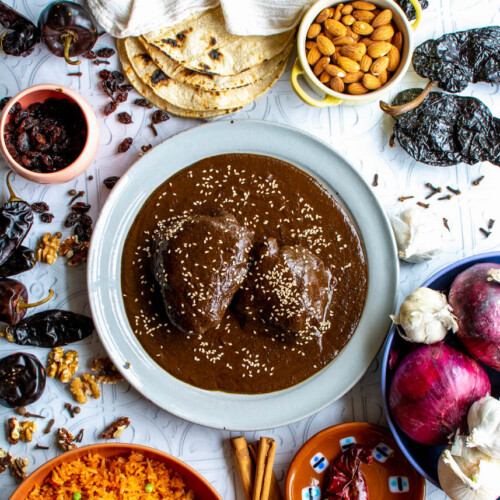
Oaxaca, Mexico, is a feast for the senses, a vibrant tapestry woven with ancient traditions, colorful markets, and, most importantly, unparalleled culinary treasures. Among these treasures, none shines brighter than the region's celebrated moles. These complex sauces, often taking days to prepare, are more than just food; they are a cornerstone of Oaxacan culture, a symbol of family, and a testament to the region's rich history. Join us as we embark on a deep dive into the fascinating world of Oaxaca's seven moles, a culinary adventure that will tantalize your taste buds and leave you craving more.
The Magnificent Seven: Exploring Oaxaca's Signature Moles
Oaxaca boasts a diverse range of moles, each with its unique flavor profile, ingredients, and preparation methods. While variations exist from family to family, seven moles are considered the most iconic: Negro, Rojo, Coloradito, Verde, Amarillo, Chichilo, and Estofado.
1. Mole Negro: The King of Moles
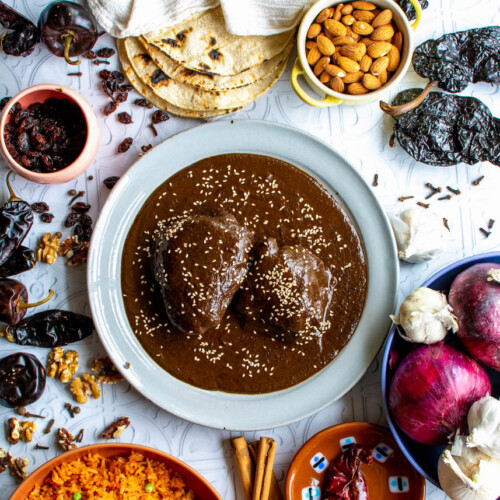
Mole Negro is the undisputed king of Oaxacan moles. Known for its complex, dark, and slightly bitter taste, it typically includes over 30 ingredients, including chilhuacle negro chiles, a rare and essential Oaxacan ingredient. The preparation is a labor of love, often taking days to complete. The chiles are charred, spices are toasted, and everything is ground together with nuts, seeds, and even chocolate. The result is a rich, intensely flavored sauce that's truly unforgettable.
Where to Try It: For a modern take on this traditional sauce, visit Origen restaurant in Oaxaca City. Chef Rodolfo Castellanos elevates Oaxacan cuisine to new heights while honoring its roots.
2. Mole Rojo: A Symphony of Red
Mole Rojo is characterized by its rich, red color and smoky, fruity flavor profile. It relies on a blend of various dried red chiles, such as guajillo, ancho, and pasilla, along with tomatoes, onions, garlic, and a medley of spices. The depth of flavor is achieved through careful toasting and grinding of the ingredients, creating a sauce that's both complex and comforting.
3. Mole Coloradito: Sweet and Subtle
Mole Coloradito stands out with its characteristic brick-red color and a sweeter, less spicy flavor profile than its Rojo counterpart. Ancho chiles are often the star, complemented by tomatoes, almonds, and sometimes even plantains. This mole is a great option for those who prefer a milder, more approachable flavor.
4. Mole Verde: A Breath of Freshness
Mole Verde offers a refreshing contrast to the darker, richer moles. Its vibrant green color comes from an abundance of fresh herbs like cilantro, epazote, and green chiles. Pumpkin seeds, tomatillos, and other green vegetables add to its herbaceous flavor. It's important to note that while many restaurants offer vegetarian versions of Mole Verde, it's always wise to inquire about the ingredients, as some traditional recipes may include lard or chicken broth.
5. Mole Amarillo: Sunshine in a Bowl
Mole Amarillo, meaning "yellow mole," is known for its bright yellow color and use of yellow chiles, such as chilhuacle amarillo. It's often paired with vegetables like green beans, squash, and chayote, or served with chicken. The flavor is mild and subtly sweet, making it a versatile and comforting dish.
6. Mole Chichilo: A Taste of the Earth
Mole Chichilo offers a unique and slightly acquired taste. Its distinct, slightly bitter, and smoky flavor comes from charred chiles and a blend of spices. The preparation involves carefully burning the chiles to achieve the desired smoky notes, requiring skill and experience.
7. Mole Estofado: A Fruity Fiesta
Mole Estofado distinguishes itself with its sweeter, stew-like consistency and the inclusion of fruits and nuts. Peaches, apricots, raisins, and almonds are often incorporated, creating a rich and decadent sauce. It's traditionally served with chicken or pork, making it a popular choice for celebrations.
A Cultural Cornerstone: Mole in Oaxacan Society
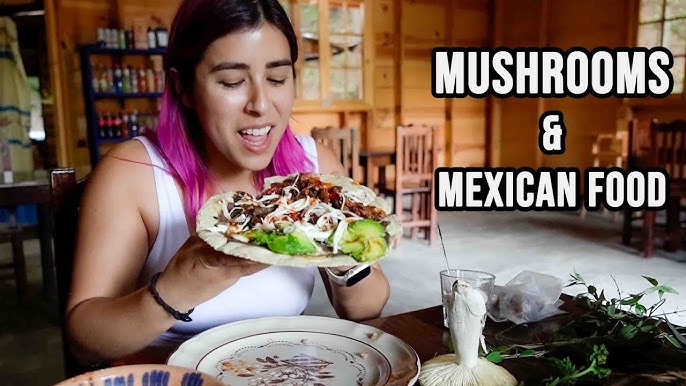
Mole is more than just a sauce in Oaxaca; it's a cultural cornerstone, deeply embedded in the fabric of society. It plays a significant role in celebrations like Día de Muertos (Day of the Dead) and family gatherings, where preparing mole is a communal activity, strengthening bonds and preserving traditions. Recipes are often passed down through generations, carefully guarded and adapted over time. The process of making mole is an act of love, patience, and respect for the ingredients and the heritage they represent.
Dietary Considerations: It's crucial to be aware that mole often contains nuts, making it unsuitable for those with nut allergies. Always inquire about the ingredients before consuming mole, especially when dining out.
Beyond the Mole: Exploring Oaxacan Cuisine
While mole is undoubtedly a highlight, Oaxacan cuisine offers a wealth of other culinary delights.
Tlayudas: The Oaxacan Pizza
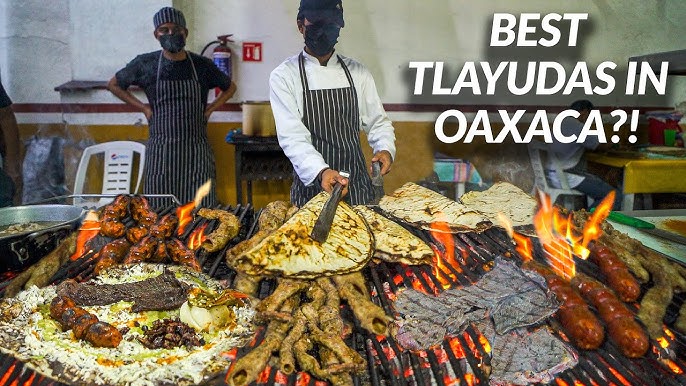
Tlayudas are a popular Oaxacan street food dish that resembles a large, crispy tortilla. They are often served with a smear of mole, along with quesillo (Oaxacan cheese), beans, avocado, and your choice of meat, like tasajo (thinly sliced grilled beef) or chorizo. The combination of textures and flavors is simply irresistible.
Mezcal: The Spirit of Oaxaca
No culinary adventure in Oaxaca is complete without experiencing Mezcal, the quintessential Oaxacan alcoholic beverage made from the agave plant. Its smoky flavor and complex notes perfectly complement the richness of mole. Sip it neat with a slice of orange and a sprinkle of sal de gusano (worm salt) for the authentic Oaxacan experience.
Where to Experience Authentic Oaxacan Moles:
- Origen (Oaxaca City): For a modern, elevated take on Mole Negro.
- La Casa de la Abuela: For traditional, family-style moles in a cozy and inviting atmosphere.
- Mercado 20 de Noviembre: Explore a wide range of mole experiences and regional dishes in this bustling market. Don't be afraid to sample different moles and ask vendors about their ingredients and preparation methods.


A Culinary Journey Awaits
Oaxaca's seven moles are a testament to the region's rich culinary heritage, offering a diverse range of flavors and experiences. From the complex depths of Mole Negro to the refreshing brightness of Mole Verde, each sauce tells a story of tradition, family, and the unique ingredients that make Oaxacan cuisine so special. So, pack your bags, prepare your taste buds, and embark on a culinary adventure to Oaxaca, where the magnificent seven moles await!