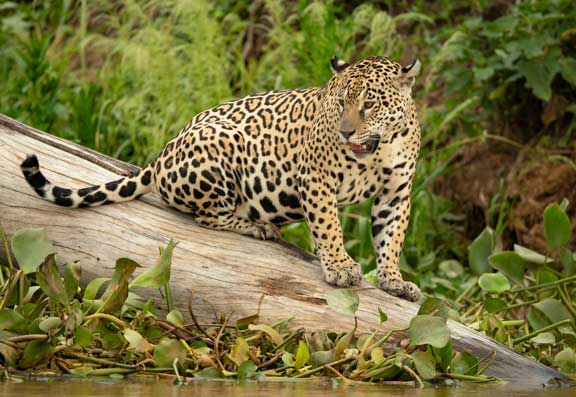
A Day in the Life of a Jaguar Vet: Balancing Wil...
From São Paulo to the heart of Brazil’s Pantanal, my journey as a wildlife veterinarian specializing in jaguar conservation has been nothing short of transformative. For the past five years, I, Dr. Gabriela "Gabi" Oliveira, have dedicated my life to this extraordinary region, striving to find a balance between the needs of local ranchers and the protection of these magnificent creatures and their threatened habitat. The Pantanal, the world's largest tropical wetland, is a place of stark beauty and immense challenges, where the rhythm of life is dictated by the ebb and flow of the waters. This blog provides a glimpse into a typical (and not-so-typical) day, immersed in the world of jaguars, cattle, and the delicate dance of coexistence.
A Typical Day Begins: Jaguar Tracking
My days often begin before sunrise, the air thick with humidity and the promise of another scorching day. I head out, equipped with my telemetry equipment, to track the movements of collared jaguars. This data is critical for understanding their territories, hunting patterns, and potential conflict zones with ranchers. Unlike the dense Amazon rainforest, the Pantanal's open wetlands make tracking a bit easier. Fewer trees mean greater visibility, but the terrain is still challenging, especially during the wet season when much of the land is submerged.
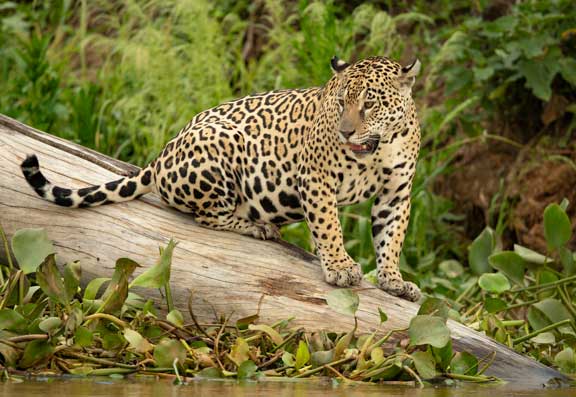
Following the telemetry signals, I navigate through flooded grasslands and dense thickets, always mindful of the wildlife around me. Caimans bask lazily in the sun, capybaras graze peacefully, and a cacophony of birdsong fills the air. This morning, I'm tracking a female jaguar named "Esperança" (Hope), who has cubs. It's essential to monitor her movements to ensure she and her young ones are safe. This helps support Pantanal Jaguar Conservation, which is my primary goal.
Ranchers and Jaguars: A Delicate Balance
After tracking, I often spend time assisting local ranchers with implementing jaguar-resistant livestock pens. Human-wildlife conflict is a major challenge in the Pantanal. Ranchers, understandably, view jaguars as a threat to their livelihood, as they occasionally prey on cattle.
One rancher, Senhor Antônio, once told me, "Doutora Gabi, I understand the need to protect the jaguars, but they kill my cattle! It's my livelihood. How am I supposed to feed my family?"
That sentiment is common. My role is to help them protect their livestock without resorting to killing jaguars. We provide materials and guidance to build robust enclosures that keep cattle safe at night. This proactive approach is far more effective than reactive measures like hunting.

This work directly addresses the challenges of Human-Wildlife Conflict Pantanal Ranching, by promoting coexistence. Our sustainable tourism Pantanal Ecotourism Brazil plan also helps by bringing income and incentives to the local ranchers.
An Urgent Call: Jaguar Cub Rescue in the Pantanal
No two days are the same in the Pantanal. One afternoon, I received an urgent call from Senhor João, a rancher from a remote area. A jaguar cub was trapped in a cattle pen during a flash flood. The rising waters were threatening the cub's life, and Senhor João was desperate for help.
The journey to the ranch was harrowing. The Pantanal’s seasonal floods make navigation difficult. Roads became rivers, and my trusty 4x4 struggled through the muddy terrain. Communication was spotty, relying on intermittent cell service and a handheld radio. As I drove, I couldn't help but think of the risks of flash flooding to the Pantanal Flooding and Wildlife.
Arriving at the ranch, I found the situation dire. The cattle pen was partially submerged, and the jaguar cub was clinging to a wooden post, terrified and shivering. The mother jaguar was pacing anxiously nearby, unable to reach her offspring.
I carefully approached the pen, trying to assess the situation. My plan was to tranquilize the cub, safely remove it from the pen, and reunite it with its mother. However, the mother jaguar was fiercely protective, making it difficult to get close.
Just as I prepared the tranquilizer dart, my dart gun malfunctioned! One more of the logistical challenges I was facing. After what felt like an eternity, I was able to fix the dart gun and carefully tranquilize the cub. Working quickly, I waded into the water, gently retrieved the cub, and brought it to safety.
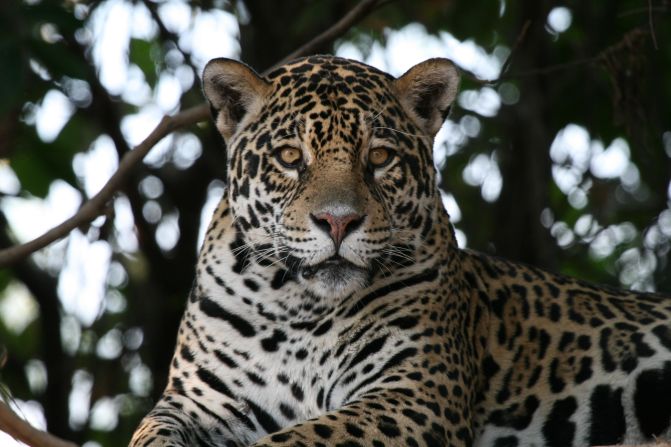
Senhor João watched with a mixture of relief and gratitude. During the crisis, we formed a connection, united by our shared concern for the animal's well-being. He admitted that he had always seen jaguars as a threat, but witnessing the rescue changed his perspective. This Jaguar Cub Rescue Pantanal situation changed everything.
Pantanal Flavors: Arroz de Carreteiro and Sopa Paraguaia
Food is an integral part of the Pantanal's culture. After a long day, I often enjoy a hearty meal of Arroz de Carreteiro, a traditional dish made with locally sourced beef, rice, and spices. The beef's connection to the ranching culture reminds me of the importance of finding sustainable solutions that benefit both wildlife and the local communities. The Pantanal Food and Culture is unique.
Another favorite is Sopa Paraguaia, a savory cornbread made with cheese, onions, and milk. The ingredients are often sustainably farmed in the region, showcasing the Pantanal's rich agricultural heritage. Both dishes are full of flavour and provide the energy I need for my work.
The Pantanal Landscape: A World of Water and Sky
The Pantanal's landscape is unlike any other. Its vast, open wetlands stretch as far as the eye can see, punctuated by stands of trees and meandering rivers. The impact of seasonal floods is profound, shaping both the wildlife and the ranching practices. In contrast to the Amazon rainforest, the Pantanal offers greater visibility, allowing for easier wildlife viewing.
The dramatic skies at sunset are a sight to behold, painting the horizon with vibrant hues of orange, pink, and purple. It's a reminder of the beauty and fragility of this unique ecosystem.
Pantanal's Recovery After Wildfire
The Pantanal has faced several challenges, including devastating wildfires. Witness the remarkable recovery of this ecosystem in this time-lapse video:
Time-lapse Video of Pantanal Ecosystem Recovery
(Note: Replace "your_youtube_video_id" with the actual YouTube video ID to embed the video.)
- HOOK: The video opens with a wide shot of flames rapidly consuming dry vegetation, shot with a high-speed camera, burning across the Pantanal landscape during golden hour.
- SCENE: The time-lapse sequence in cinematic 4K quality shows the intense orange glow of the fire transitioning to the muted browns and grays of the aftermath, and finally, to the vibrant greens of new growth. Slow-motion shots depict animals fleeing the fire. The camera slowly orbits the recovering landscape.
- TWIST: The video concludes with a close-up shot of Gabi releasing a fully rehabilitated jaguar back into the wild. The jaguar pauses, looks directly at the camera, and then disappears into the tall grass.
- SURPRISE: Rapid recovery of new growth emerging from the scorched earth.
- CLARITY: The impact of the fire and the process of recovery are evident.
- EMOTION: Amazement and inspiration are evoked by the resilience of the ecosystem.
- VISUAL STYLE: Cinematic 4K quality, dramatic lighting, and vibrant colors.
Supporting Jaguar Conservation in the Pantanal
The work of Dr Gabriela Oliveira jaguar conservation Pantanal is vital. You can help make a difference. Please consider donating to organizations like Panthera (https://www.panthera.org/donate) or WWF (https://www.worldwildlife.org/) that support jaguar conservation and promote coexistence between ranchers and jaguars in the Pantanal. Your donations will help fund crucial research, support anti-poaching efforts, and provide resources for ranchers to build jaguar-proof livestock enclosures. By working together, we can ensure that these magnificent creatures continue to thrive in the Pantanal for generations to come. The best time to visit Pantanal for wildlife viewing is between May and September. Please check for ethical ecotourism lodges in the Pantanal Brazil.