A Culinary Pilgrimage: Food Blogger Maya Tanaka Discovers Kyoto's Hidden Flavors at Ryokan Asunaro
Imagine arriving in Kyoto, the ancient heart of Japan, and stepping into a world of tranquility. The immediate visual of a meticulously raked zen garden, the gentle sound of a bamboo fountain, and the warm welcome from a host family – this was Maya Tanaka's first impression of Ryokan Asunaro. Maya, a celebrated food blogger from Los Angeles, California, embarked on a culinary journey across Japan, seeking authentic flavors and cultural experiences. Her stay at Ryokan Asunaro ([Actual Airbnb link to be inserted here]), a Kyoto Ryokan that embodies the spirit of traditional Japanese hospitality, proved to be a highlight of her trip, offering a profound Kyoto cultural experience and an unforgettable Japanese Kaiseki Dinner. This is her story.
First Steps into Tradition: Maya's Arrival at Ryokan Asunaro
The sliding shoji screens whispered open, revealing Maya to a scene of understated elegance. The host family, a kind mother and son, greeted her with genuine warmth, their smiles radiating genuine "omotenashi," the Japanese spirit of selfless hospitality. The scent of subtle incense hung in the air, a comforting aroma that instantly calmed the senses. The room itself was a sanctuary: tatami mats underfoot, the soft glow of paper lamps illuminating the space, and a futon bed neatly laid out, promising a restful night. A window framed a miniature inner garden, a carefully curated landscape of moss, stones, and meticulously pruned trees. It was more than just a room; it was an immersion into Japanese aesthetics.
Kaiseki Dinner: A Culinary Masterpiece Unveiled at Ryokan Asunaro
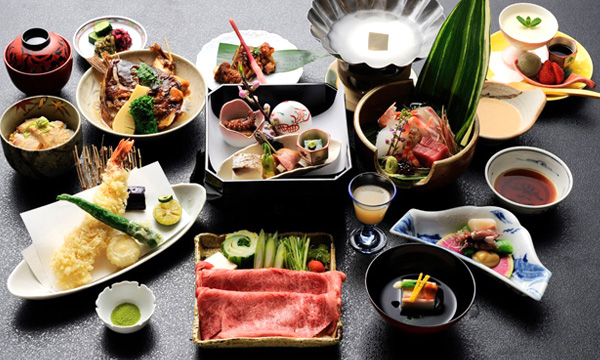
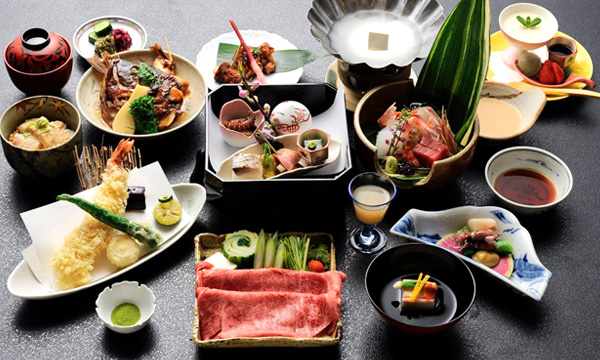
The highlight of Maya's stay was undoubtedly the Japanese Kaiseki Dinner, a multi-course culinary journey that transcended mere sustenance. Each dish was a work of art, a testament to the chef's skill and the bounty of the season. Sake was expertly paired with each course, enhancing the delicate flavors and creating a symphony for the palate.
- Sakizuke: The evening began with a Sakizuke: a delicate appetizer of sea urchin tofu, or "uni tofu", adorned with vibrant wasabi flowers, served on a small, handcrafted ceramic dish. The creamy, almost custard-like texture of the tofu was perfectly balanced by the subtle heat of the fresh wasabi.
- Hassun: Next came the Hassun, an assortment of seasonal delicacies presented with impeccable artistry. Grilled eel, known as unagi, with a hint of zesty sansho pepper, sat alongside pickled chrysanthemum petals, their subtle bitterness a delightful contrast. A small ball of chewy mochi, filled with sweet red bean paste (anko), offered a touch of sweetness, rounding out the experience.
- Mukozuke: The Mukozuke course featured slices of incredibly fresh, locally caught sea bream sashimi. The fish practically melted in Maya’s mouth, its pristine flavor enhanced by freshly grated wasabi and a delicate soy sauce. The chef’s masterful knife work was evident in the precise cuts, each slice a testament to skill.
- Takiawase: A simmered dish, the Takiawase, followed, showcasing the earthy flavors of Kyoto vegetables. Tender bamboo shoots, creamy taro root, and flavorful kombu seaweed were gently simmered in a light dashi broth. The umami of the broth perfectly complemented the earthiness of the vegetables, creating a comforting and nourishing dish. *Preparation and Significance: Kaiseki cuisine’s roots lie in the traditional Japanese tea ceremony, emphasizing harmony, respect, purity, and tranquility. Each course reflects the season ("shun"), using only the freshest ingredients at their peak flavor. This commitment to seasonality and the meticulous preparation methods underscore the cultural significance of Kaiseki as more than just a meal—it's an art form.
This best Ryokan in Kyoto clearly values the cultural and culinary experience it offers, ensuring that guests are fully immersed.
Onsen Experience: Rejuvenation and Reflection
The Onsen experience at Ryokan Asunaro offered Maya a chance to unwind and reconnect with herself. Following the proper etiquette – meticulously washing before entering the communal bath – she eased into the steaming water. The silence was broken only by the gentle lapping of water against the stone walls. The hot water enveloped her skin, melting away tension and fatigue. The onsen water, rich in minerals, is purported to have therapeutic benefits, leaving her feeling refreshed and rejuvenated. As Maya sat in the soothing warmth, she reflected on her journey, feeling a profound sense of calm and gratitude.
Tea Ceremony Immersion: A Journey into Mindfulness
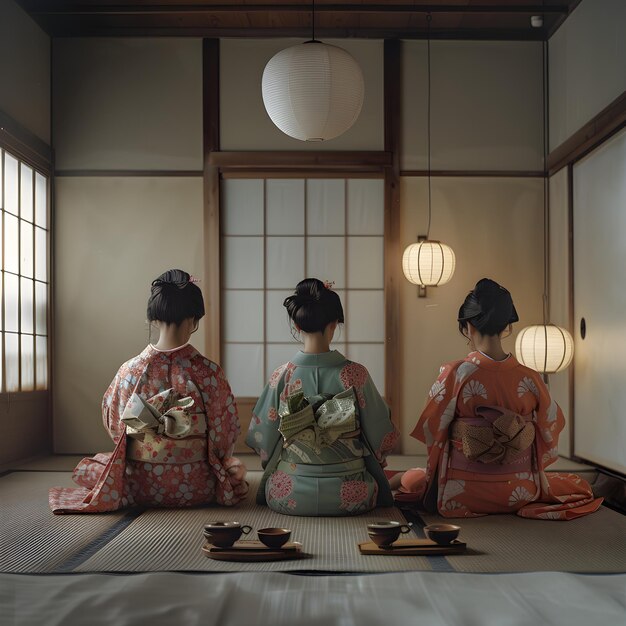
Participating in a Japanese Tea Ceremony was a truly immersive experience for Maya. Under the guidance of a tea master, she learned the precise movements and rituals associated with this ancient tradition. The tea master carefully measured matcha powder into the chawan (tea bowl), added hot water, and whisked it with a chasen (bamboo whisk) until a frothy, vibrant green liquid formed. The natsume (tea caddy) sat nearby, holding the precious matcha. Each gesture, each element, held deep meaning, representing harmony, respect, purity, and tranquility. The taste of the matcha was initially bitter, but it mellowed into a subtle sweetness, leaving a lingering sense of mindfulness and respect.
Nishiki Market: A Food Lover's Paradise in Kyoto
A visit to Nishiki Market was a must for Maya, a true Nishiki Market food tour for any culinary enthusiast. The bustling marketplace, often called "Kyoto's Kitchen," offered a kaleidoscope of sights, smells, and tastes.
- Tanaka Keiran: At Tanaka Keiran, a tamagoyaki (rolled omelet) vendor, Maya savored a sweet and savory omelet made with fresh, local eggs.
- Aritsugu: The renowned knife shop, Aritsugu, captivated Maya with its display of meticulously crafted knives. She observed the artisans at work and purchased a small paring knife, a tangible reminder of her culinary journey.
- Sugioka Shoten: At Sugioka Shoten, a pickle shop, Maya sampled a wide variety of tsukemono (pickled vegetables), each offering a unique flavor profile, from sweet and sour to spicy and savory.
Beyond these highlights, Maya tasted takoyaki (octopus balls), mochi ice cream, and other local delicacies. She enjoyed interacting with the shopkeepers, their passion for their craft evident in every interaction. Inspired by her experience, Maya plans to recreate some of the market’s flavors at home, experimenting with Japanese pickling techniques and tamagoyaki recipes.
Responsible Tourism: Supporting Local Artisans and Businesses
Maya's stay at Ryokan Asunaro and her exploration of Nishiki Market food tour exemplified responsible tourism. Ryokan Asunaro actively supports the local economy by sourcing its ingredients locally, ensuring the freshness and quality of its Kaiseki dinner. The Ryokan also uses local ceramics, showcasing the artistry of Kyoto artisans, like the exquisite tea bowls made by the renowned potter, Kenji Nakagawa (example only - please confirm and update if inaccurate). By purchasing items at Nishiki Market, Maya directly supported local businesses, contributing to the sustainability of the community.
Conclusion: A Transformative Journey
Maya Tanaka's experience at Ryokan Asunaro was more than just a stay; it was a transformative journey into the heart of Japanese culture. The meticulously raked zen garden, the delicate flavors of the Kaiseki dinner, the soothing warmth of the onsen, the mindful ritual of the tea ceremony, and the vibrant energy of Nishiki Market – all combined to create a profound and unforgettable experience. For travelers seeking an authentic and immersive Kyoto cultural experience, a traditional Japanese stay at Ryokan Asunaro is highly recommended. It's a chance to connect with Japan on a deeper level, engaging all five senses and creating memories that will last a lifetime. Book your stay today and discover the magic of Kyoto.