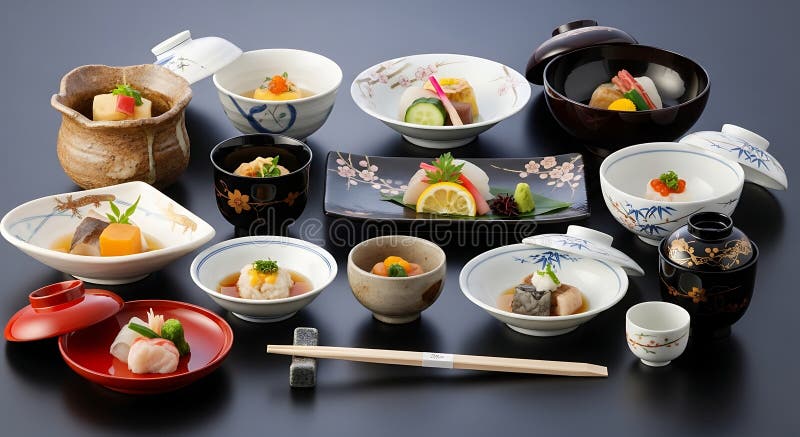
A Culinary Pilgrimage: Discovering Kyoto's Exqu...
Kyoto, the ancient capital of Japan, is a city steeped in tradition and renowned for its serene beauty. But beyond the temples and geishas, lies a culinary landscape as rich and captivating as its history. For travelers seeking unique culinary experiences, Kyoto offers a journey into the heart of Japanese gastronomy, where food is not just sustenance but an art form. Prepare to embark on a flavor adventure as we explore three essential Kyoto culinary traditions: Shojin Ryori, Kaiseki, and Wagashi. This isn’t just about eating; it's about understanding the culture, philosophy, and artistry behind each dish.
Section 1: Serene Simplicity: Exploring Shojin Ryori at Shigetsu
Shojin Ryori, translating to "devotion cuisine," is the traditional vegetarian cuisine of Buddhist monks. Rooted in Zen Buddhist principles, this culinary art form emphasizes simplicity, seasonal ingredients, and reverence for all life. It's more than just vegetarianism; it's a mindful approach to food that avoids killing and promotes harmony with nature. Animal products like meat, fish, and even strong aromatics like garlic and onion are excluded, encouraging a focus on subtle flavors and textures derived from vegetables, beans, and grains. The aim is not to replicate the taste of meat but to highlight the inherent deliciousness of plant-based ingredients.
For an authentic Shojin Ryori experience, look no further than Shigetsu, nestled within the tranquil Tenryu-ji Temple, a UNESCO World Heritage site. The restaurant’s ambiance is a masterpiece of serenity. Imagine sitting in a minimalist dining room, bathed in the soft glow of natural light filtering through delicate paper windows. The view overlooks a meticulously raked Zen garden, a visual symphony of rocks and sand designed to promote contemplation and inner peace. The hushed atmosphere encourages a mindful approach to the meal, enhancing the overall sensory experience.
A typical Shojin Ryori meal at Shigetsu is a multi-course affair, each dish a testament to the chef's skill and the principles of Zen. One highlight is the sesame tofu, or goma dofu. This creamy, melt-in-your-mouth delicacy is made by grinding sesame seeds into a paste, then combining it with kudzu starch and water. The mixture is then carefully cooked and chilled, resulting in a smooth, rich tofu with a subtle nutty flavor. The preparation itself is a labor of love, reflecting the Buddhist principle of non-harming, as no animals are involved in the process.
Another course might feature delicate vegetable tempura, showcasing seasonal vegetables lightly battered and fried to perfection. The crisp exterior gives way to the tender sweetness of the vegetables inside. The accompanying dipping sauce is light and flavorful, enhancing the natural taste of each vegetable. You might also encounter suimono, a clear soup with seasonal vegetables and delicate tofu. The broth is light and refreshing, cleansing the palate and preparing you for the next course. Every ingredient is carefully selected to be in season, reflecting the importance of respecting the natural rhythms of the year.
Section 2: The Art of Kaiseki: A Culinary Masterpiece at Kikunoi
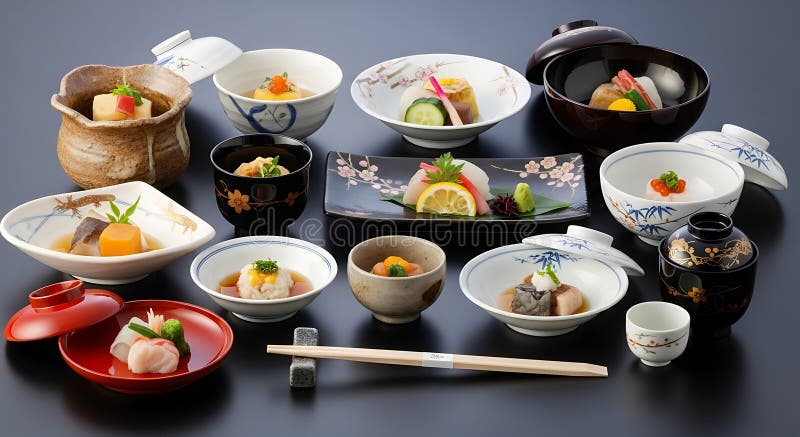
Kaiseki is often described as Japanese haute cuisine. It's a multi-course culinary art form that embodies the seasons and showcases the chef's mastery of traditional techniques and artistic presentation. Originating from the small, simple meals served during tea ceremonies, Kaiseki has evolved into an elaborate and sophisticated dining experience. Every aspect of the meal, from the selection of ingredients to the arrangement of the dishes, is carefully considered to create a harmonious and memorable experience.
For an unparalleled Kaiseki experience, Kikunoi stands as a beacon of culinary excellence. This renowned restaurant, with multiple Michelin stars, is a testament to the artistry and dedication of its chefs. The atmosphere is one of refined elegance. Diners are often seated in private rooms, allowing for an intimate and immersive experience. The service is impeccable, with attentive staff anticipating every need and guiding you through each course. The presentation of the dishes is a work of art, each plate a miniature landscape crafted with seasonal garnishes and exquisite tableware.
A sample Kaiseki menu at Kikunoi might begin with a delicate appetizer, such as grilled sea bream adorned with vibrant autumn leaves, a visual representation of the season. The fish is perfectly cooked, its delicate flavor enhanced by the smoky char of the grill. Another course might feature simmered duck with chestnuts, a hearty and comforting dish perfect for a cool autumn evening. The duck is tender and flavorful, the chestnuts adding a touch of sweetness and texture. The meal often culminates in rice cooked in an earthen pot, a simple yet satisfying dish that highlights the quality of the ingredients. The rice is cooked to perfection, each grain plump and flavorful.
Each dish is not only a culinary delight but also a visual masterpiece. The chefs at Kikunoi meticulously arrange the ingredients, using seasonal garnishes and exquisite tableware to create a harmonious and balanced composition. The presentation is just as important as the taste, reflecting the Japanese appreciation for beauty and attention to detail.
Section 3: Sweet Perfection: Discovering Wagashi at Kagizen Yoshifusa
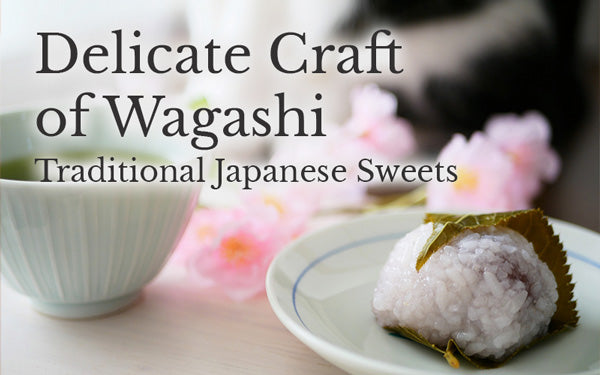
Wagashi are traditional Japanese sweets, often enjoyed with green tea. These delicate creations are more than just desserts; they are an integral part of Japanese culture, playing a significant role in tea ceremonies and seasonal celebrations. Wagashi are crafted with meticulous care, using natural ingredients such as sweet bean paste (anko), mochi (rice cake), and agar-agar (a gelatinous substance derived from seaweed). Their shapes, colors, and flavors often reflect the changing seasons, adding a poetic touch to the culinary experience.
Kagizen Yoshifusa is a venerable Wagashi shop that has been delighting Kyoto residents and visitors for centuries. Stepping into the shop is like stepping back in time. The traditional wooden facade exudes a sense of history and craftsmanship. Inside, a dazzling display of colorful Wagashi awaits, each piece a miniature work of art. The aroma of sweet bean paste fills the air, creating an irresistible temptation.
Kagizen Yoshifusa offers a wide selection of Wagashi, each with its unique shape, flavor, and ingredients. Mizu Yokan, a jelly-like bean dessert, is a popular choice during the summer months. Its light and refreshing texture is perfect for beating the heat. Kohakuto, crystalized agar-agar candy, is another delightful treat. Its jewel-like appearance and satisfying crunch make it a visual and textural delight. Uiro, steamed rice cake, is a chewy and subtly sweet confection that comes in a variety of flavors and colors.
Each Wagashi sweet holds a special symbolism. Many are inspired by nature, mirroring natural forms and seasonal colors. The plum blossom, the maple leaf, and the snowflake each find a representation in the variety of sweets on display. They're not just treats for the palate, but also the eyes and the spirit.
Section 4: Immersive Experiences
To truly immerse yourself in Kyoto's culinary scene, consider adding these interactive experiences to your itinerary:
Traditional Tea Ceremony: Enhance your understanding of Japanese culture with a traditional tea ceremony at Camellia tea house. This tranquil oasis offers an authentic glimpse into the art of chado, the Way of Tea. Observe the ritualistic preparation of matcha (powdered green tea) and savor its unique flavor in a serene and contemplative setting.
Camellia Tea Ceremony Booking Page
Mochi-Making Class: Get hands-on with Japanese confectionery by participating in a mochi-making class at a local confectionery shop. Learn the traditional techniques for pounding and shaping mochi rice cakes, and enjoy the satisfaction of creating your own delicious treats.
Kyoto's culinary landscape is a treasure trove of unique and unforgettable experiences. From the serene simplicity of Shojin Ryori to the artistic extravagance of Kaiseki and the delicate sweetness of Wagashi, there's something to delight every palate and captivate every traveler. Embrace the opportunity to explore the flavors of Kyoto and discover the rich cultural heritage that lies within each bite. By actively participating in tea ceremonies and mochi-making classes, you enrich your culinary journey into an adventure that touches the very soul of Japan. Don’t just eat in Kyoto; experience it.