A Culinary Journey Through Kyoto: Three Unforget...
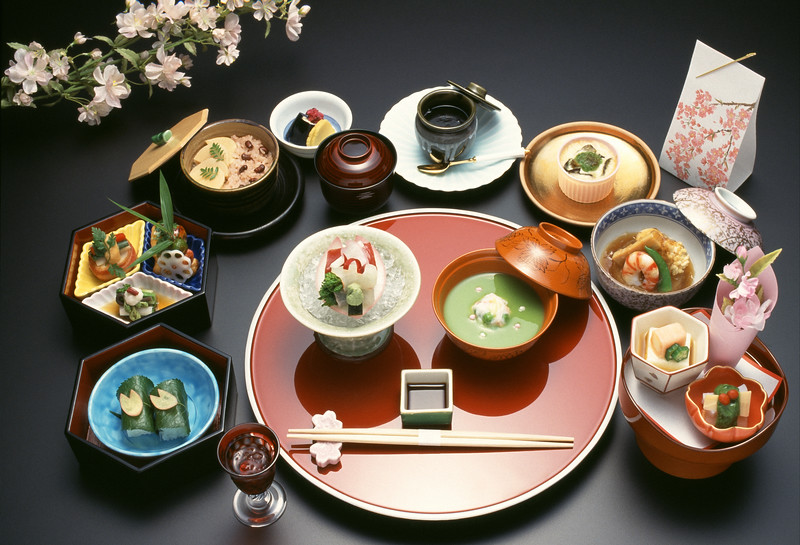
Kyoto, the ancient capital of Japan, is a city steeped in history, tradition, and unparalleled beauty. Beyond its stunning temples and serene gardens, Kyoto offers an equally captivating experience for the palate. More than just delicious meals, Kyoto offers immersive cultural experiences through its cuisine, making it a prime destination for Kyoto culinary tourism. From the meticulous artistry of Kaiseki Kyoto to the subtle flavors of yudofu and the vibrant energy of its matcha sweets, Kyoto's culinary scene is a journey for the senses. Join us as we explore three unforgettable food experiences that capture the essence of Kyoto cuisine and elevate dining to an art form.
Indulge in the Art of Kaiseki at Kikunoi: A Michelin-Starred Masterpiece
For an unparalleled experience in Japanese fine dining, look no further than Kikunoi's main branch, a three-Michelin-starred restaurant renowned for its traditional Kaiseki cuisine. Kaiseki is a multi-course Japanese haute cuisine that emphasizes seasonal ingredients and meticulous presentation. More than just a meal, a Kaiseki dinner Kyoto is a carefully orchestrated symphony of flavors, textures, and visual artistry, reflecting the deep respect for nature and the changing seasons. Kikunoi, with its rich history and the chef's unwavering dedication to preserving culinary traditions, offers an authentic and unforgettable Kaiseki experience.
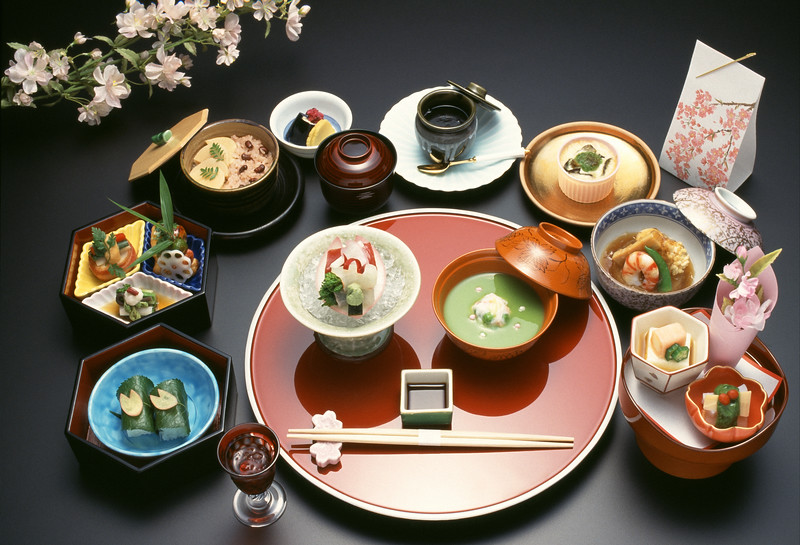
Each course at Kikunoi is a visual masterpiece. During the autumn months, you might find dishes adorned with vibrant orange persimmons, earthy matsutake mushrooms, and sweet chestnuts. The aromas are delicate and inviting, preparing your senses for the refined flavors that are about to dance on your palate. The taste of each ingredient is pure and distinct, yet they blend together in perfect harmony, a testament to the chef's mastery. The setting further enhances the experience. The serene and elegant atmosphere of the restaurant, with its traditional Japanese architecture, meticulously arranged table settings, and attentive omotenashi (hospitality), creates a truly immersive dining experience. Reservations at Kikunoi, especially if you desire a private Kaiseki dining room Kyoto are essential, and should be made far in advance. Many guests seeking a luxury Kyoto ryokan dinner find Kikunoi's level of refinement aligns perfectly with their expectations.
The Cultural Roots of Kaiseki
Kaiseki's origins can be traced back to the tea ceremonies of ancient Japan. Originally, it was a simple meal served to monks during long hours of meditation. Over time, it evolved into a more elaborate and sophisticated cuisine, deeply rooted in Japanese aesthetics and hospitality. Kaiseki emphasizes seasonal ingredients (Kyo-yasai, or Kyoto vegetables are particularly prized) and meticulous presentation. Each course is designed to reflect the beauty of nature and the changing seasons, showcasing the chef's artistry and respect for the ingredients. The meal is not just about satisfying hunger; it's about appreciating the beauty of the moment and connecting with Japanese culture. The proper etiquette for a Kaiseki dinner involves appreciating each ingredient, enjoying the visual presentation, and pacing yourself throughout the many courses.
Find Serenity in a Bowl: Yudofu at Okutan Kiyomizu near Kiyomizu-dera
After exploring the bustling grounds of Kiyomizu-dera temple, seek a peaceful respite at Okutan Kiyomizu, a restaurant specializing in yudofu, a simple yet profound dish of tofu simmered in a delicate broth. Yudofu Kyoto offers a moment of quiet contemplation and a chance to savor the subtle beauty of Japanese cuisine. Okutan Kiyomizu provides not only delicious Kyoto cuisine but a uniquely tranquil atmosphere. Many visitors add a Yudofu culinary tour Kyoto to their temple visits.
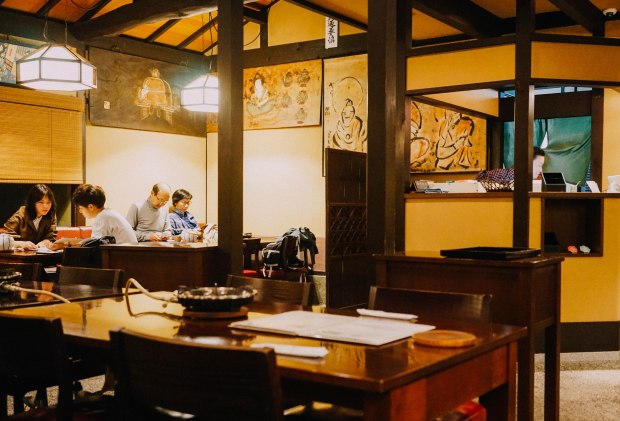
The beauty of yudofu lies in its simplicity. The silky texture of the tofu, the subtle flavors of the broth, and the warmth that spreads through your body with each spoonful create a sense of deep comfort and well-being. The presentation is minimalist, emphasizing the beauty of simplicity and the quality of the ingredients. The restaurant's traditional Japanese interior, with its tatami mats, wooden architecture, and serene garden views, further enhances the experience. Imagine enjoying the best Yudofu restaurant scenic garden Kyoto has to offer. Okutan Kiyomizu provides a respite and unique flavor experience.
Yudofu and Zen Buddhism: A Connection to Mindfulness
Yudofu has deep roots in Zen Buddhism, reflecting its emphasis on simplicity and mindfulness. Tofu itself originated in China and was brought to Japan by Buddhist monks centuries ago. The dish embodies the principles of Zen, encouraging diners to appreciate the present moment and find beauty in the simplest of things. A shojin ryori Kyoto experience provides a similar connection to Zen Buddhism. As you savor the warm, delicate flavors of yudofu at Okutan, allow yourself to be transported to a state of peaceful contemplation, letting go of the stresses of daily life and embracing the present moment. Many seek this authentic Shojin Ryori temple stay Kyoto when trying to fully experience mindfulness.
A Matcha Paradise: Indulge in Green Tea Delights at Tsujiri Tea House in Gion
No culinary journey through Kyoto is complete without indulging in the vibrant green delights of matcha. Head to Tsujiri Tea House's Gion branch, a renowned establishment known for its exquisite matcha desserts. Tsujiri has a long history of dedication to using only the highest quality Uji Matcha, ensuring a truly authentic and flavorful experience. From parfaits and shaved ice to traditional wagashi (Japanese confectionery), Tsujiri offers a delightful array of matcha sweets to satisfy any craving. The best Matcha dessert Kyoto can be found at Tsujiri.
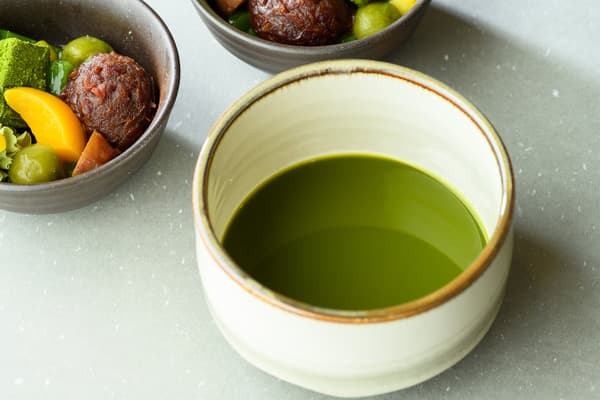
The vibrant green color of the matcha, the slightly bitter and earthy flavor, and the creamy textures of the desserts create a symphony of sensations. Whether it's a rich matcha parfait layered with red bean paste and mochi, or a refreshing matcha shaved ice topped with condensed milk, each creation is a testament to Tsujiri's artistry and dedication to quality. The luxury matcha parfait traditional teahouse Kyoto experience shouldn't be missed. The atmosphere of the Gion district is lively and vibrant, adding to the overall excitement of the experience. Tsujiri Tea House, with its traditional yet modern interior, provides a comfortable and inviting space to relax and savor your matcha creations.
Matcha: A History Rooted in Tradition
Matcha's history in Japan is deeply intertwined with tea ceremonies and Zen Buddhism. Originally used by monks to enhance focus and meditation, matcha has evolved into a beloved ingredient in Japanese cuisine. The meticulous preparation of matcha, from the grinding of the tea leaves to the whisking of the powder into a frothy beverage, is a ritual in itself. Today, matcha's popularity has spread worldwide, with cafes and restaurants around the globe incorporating it into a variety of innovative dishes and drinks. Experiencing matcha in Kyoto, however, offers a unique connection to its cultural roots.
From the exquisite artistry of Kaiseki to the serene simplicity of yudofu and the vibrant flavors of matcha sweets, Kyoto's culinary scene offers a wealth of unforgettable experiences. These three culinary adventures provide a glimpse into the heart of Kyoto cuisine, showcasing the unique flavors, cultural significance, and lasting memories that await. The refined Kyoto dining experiences available are unparalleled. Book your flight to Kyoto and embark on a journey of culinary discovery with vistalocation.com!