A Culinary Journey Through Kyoto: Kaiseki, Marke...
Kyoto. The name conjures images of ancient temples bathed in golden light, serene gardens whispering with history, and the gentle rustle of bamboo groves. But beyond its tranquil beauty lies a vibrant culinary scene, a testament to centuries of tradition and innovation. From the hushed reverence of Michelin-starred restaurants to the bustling energy of its vibrant markets, Kyoto offers a feast for the senses. Join us as we embark on a culinary journey, exploring three distinct pillars of Kyoto's gastronomic landscape: the exquisite artistry of Kaiseki dining, the lively street food of Nishiki Market, and the delicate charm of matcha sweets in Gion.
Kaiseki Dining (Kikunoi): A Symphony of Flavors
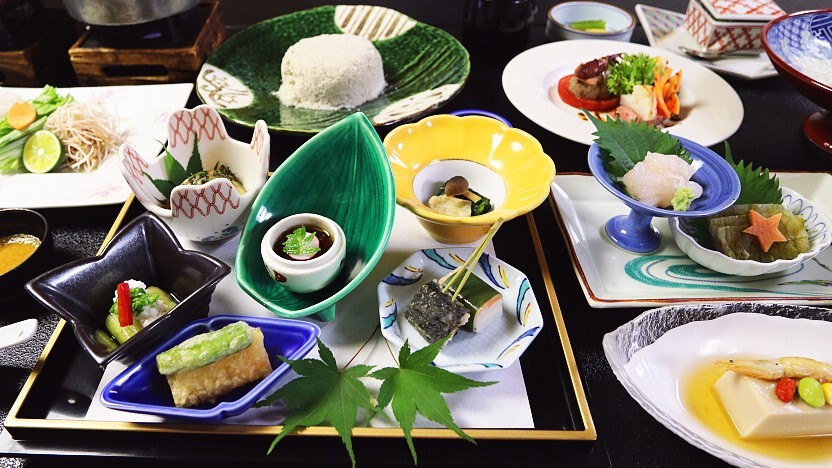
To truly understand Kyoto's culinary soul, one must experience Kaiseki. More than just a meal, it’s a carefully orchestrated performance, a harmonious blend of artistry, seasonality, and Zen philosophy. And there are few better places to witness this art form than at Kikunoi, a revered Michelin-starred establishment.
Imagine stepping into a dimly lit private room, tatami mats yielding softly underfoot. The air is subtly scented with incense, creating an atmosphere of serene contemplation. The anticipation builds as you await the unfolding of this culinary masterpiece.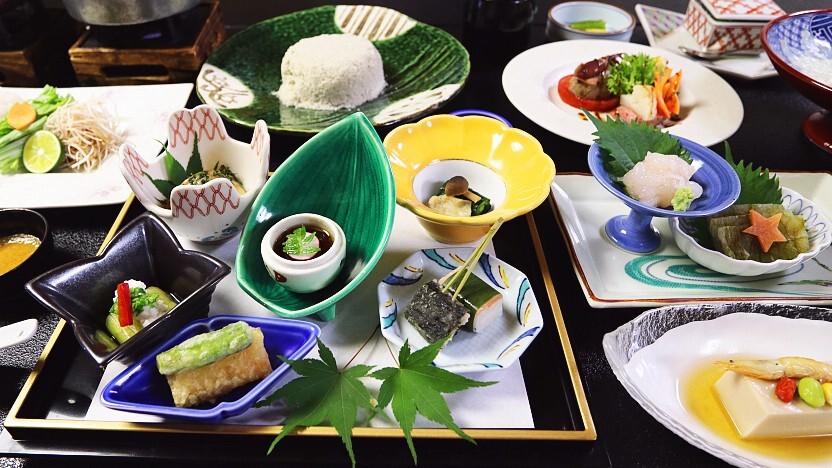
A meticulously plated course from Kikunoi, embodying the essence of Kaiseki tradition. The plating embodies seasonality and the chef's refined artistry.
The courses arrive with graceful precision. First, a delicate clear broth, Osuimono, appears, featuring a single, perfectly formed matsutake mushroom, hinting at the arrival of autumn. The broth is impossibly translucent, its purity allowing the subtle, earthy aroma of the mushroom to take center stage. It’s a study in understated elegance.
Next, imagine sashimi of tai (sea bream), glistening like polished jewels, meticulously arranged on a bed of finely shaved ice. Each slice is precisely cut, revealing the chef’s mastery of knife work. The texture is sublime, melting on the tongue with a clean, refreshing taste, heightened by a touch of freshly grated wasabi.
Later, a grilled course of Wagyu beef arrives. The marbling is exquisite, promising a melt-in-your-mouth experience. It’s served with a selection of seasonal vegetables, each cooked to perfection, offering a delightful contrast of textures and flavors. The beef, cooked over binchotan charcoal, possesses a smoky aroma that elevates the dish to new heights.
Kaiseki is deeply rooted in the traditions of the tea ceremony and Zen Buddhism. Originally a simple meal served before the tea ceremony, it evolved into a sophisticated multi-course dining experience. The philosophy behind Kaiseki emphasizes harmony with nature, respecting the seasons, and using the freshest ingredients. Each dish is designed to evoke a sense of balance and tranquility, reflecting the Zen principles of mindfulness and appreciation.
Nishiki Market Street Food: A Sensory Overload
From the refined serenity of Kaiseki, we plunge into the vibrant chaos of Nishiki Market, affectionately known as "Kyoto's Kitchen." Here, the air crackles with energy, a symphony of sounds – vendors hawking their wares, customers chattering excitedly, and the rhythmic clang of cooking utensils. The aroma alone is intoxicating, a medley of grilled seafood, fermented vegetables, and sweet pastries.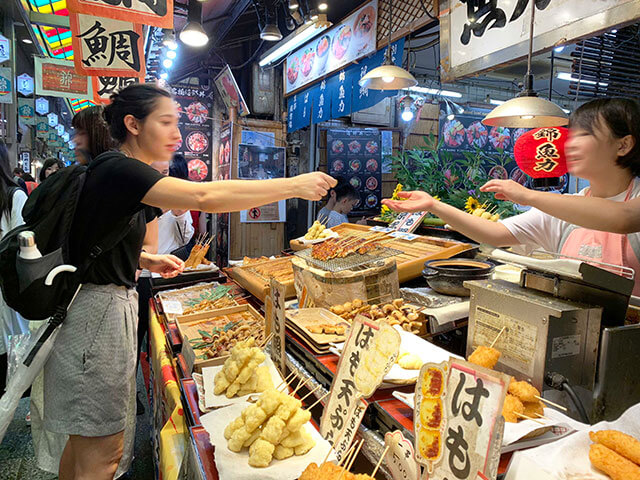
A bustling scene from Nishiki Market, displaying diverse stalls and crowds. The image captures the lively atmosphere and various food offerings.
Navigating the narrow lanes can be an adventure in itself. But the rewards are plentiful. Let's focus on two must-try stalls.
First, Ikedamasu, a pickle paradise. Here, rows upon rows of colorful, fermented vegetables glisten under the bright market lights. From the vibrant purple of Shibazuke (pickled eggplant with shiso) to the crisp, refreshing crunch of Senmaizuke (pickled turnips), each pickle offers a unique flavor profile. The Shibazuke, fermented in a mixture of plum vinegar and shiso leaves, delivers a tangy, slightly salty taste, while the Senmaizuke, thinly sliced and marinated in a sweet vinegar brine, is surprisingly refreshing. Sampling a few different varieties is a must!
Then, there's Tanaka Keiran, famous for its tamagoyaki (Japanese rolled omelet). Watching the tamagoyaki being made is a spectacle in itself. The chef rhythmically whisks the eggs, adding a secret blend of dashi, soy sauce, and sugar. Then, with skillful precision, they pour a thin layer of the mixture into a rectangular pan, carefully rolling it over as it cooks. The sweet, savory aroma fills the air, making your mouth water. Each layer is cooked to perfection, creating a soft, fluffy, and slightly sweet omelet.
Matcha Sweets in Gion: A Taste of Tradition
Leaving the lively Nishiki Market, we venture into Gion, Kyoto's geisha district. Here, the atmosphere shifts once again, replaced by an air of quiet elegance. Traditional wooden machiya houses line the streets, and if you're lucky, you might catch a glimpse of a geisha gliding gracefully by. Gion is also home to Tsujiri Tea House, a haven for matcha lovers.
Stepping inside Tsujiri, you're enveloped in a sense of tranquility. The space is elegantly decorated, with traditional Japanese accents and soft, calming lighting. Here, matcha is elevated to an art form.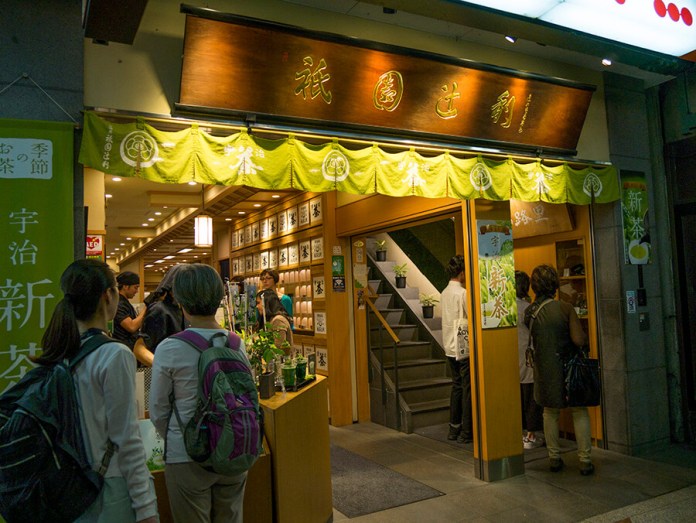
A delectable matcha parfait from Tsujiri Tea House, emphasizing the texture and layers. The light captures a soft and inviting dessert experience.
Indulge in a matcha parfait, a layered masterpiece of mochi, red bean paste, and creamy matcha ice cream. The bitterness of the matcha is perfectly balanced by the sweetness of the red bean and the chewy texture of the mochi. Or savor a bowl of hot matcha, prepared with meticulous care. The tea is whisked to a frothy perfection, creating a vibrant green elixir.
The taste of matcha is complex and intriguing. The initial bitterness gives way to a smooth, lingering sweetness, leaving a refreshing aftertaste. Beyond its delightful flavor, matcha is also packed with antioxidants and offers numerous health benefits. It has been an integral part of Japanese culture for centuries, not only as a beverage but also as a symbol of harmony and respect.
Experience the Art of Tea: A Call to Action
To fully immerse yourself in Kyoto's rich cultural heritage, we highly recommend participating in a traditional tea ceremony in Gion. Camellia Tea Ceremony House in Gion offers an authentic and immersive experience, guiding you through the intricate steps of the ceremony with grace and expertise.
The tea ceremony is more than just drinking tea; it's a practice in mindfulness, respect, and harmony. From the precise movements of the host to the appreciation of the tea bowl, every detail is imbued with meaning. It's an opportunity to slow down, connect with the present moment, and experience the beauty of Japanese tradition. Book your cultural experience and tea ceremony here: Camellia Tea Ceremony House in Gion (hypothetical URL).
Kyoto's culinary scene is a tapestry woven with tradition, artistry, and a deep respect for nature. From the refined elegance of Kaiseki to the bustling energy of Nishiki Market and the delicate charm of matcha sweets, Kyoto offers a culinary journey unlike any other. Come, explore, and savor the flavors of this ancient capital.